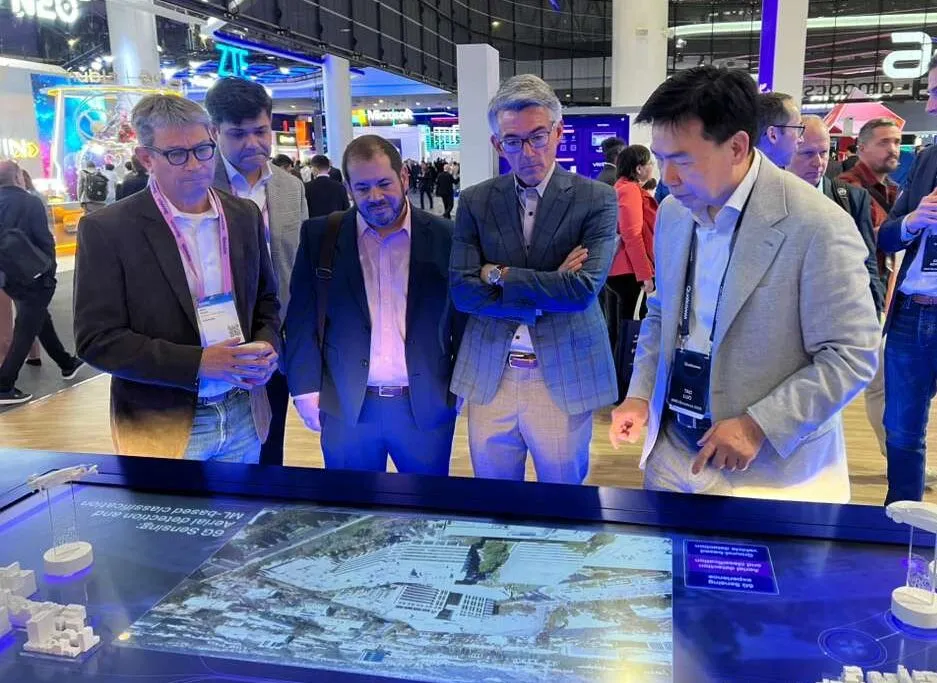
Each year, Mobile World Congress (MWC) brings together leaders from across the global connectivity ecosystem to discuss the technologies and policies shaping the future of communications. At this year’s event in Barcelona, NCTA leaders met with industry partners and regulators from around the world to discuss the evolving role of broadband infrastructure, the growing influence of artificial intelligence and the policy challenges shaping the next generation of networks.
From conversations across the show floor to policy discussions with regulators, several key themes emerged. Here are a few takeaways from this year’s event.
The 6G conversation is already starting
Even though 6G standards remain years away, the next generation of wireless technology was widely discussed across presentations, announcements and research collaborations at MWC.
Many vendors and operators framed future wireless networks as “AI-native,” emphasizing concepts like distributed computing, integrated sensing and advanced automation. At the same time, much of the activity around 6G remains focused on research partnerships and early prototypes rather than deployable technologies.
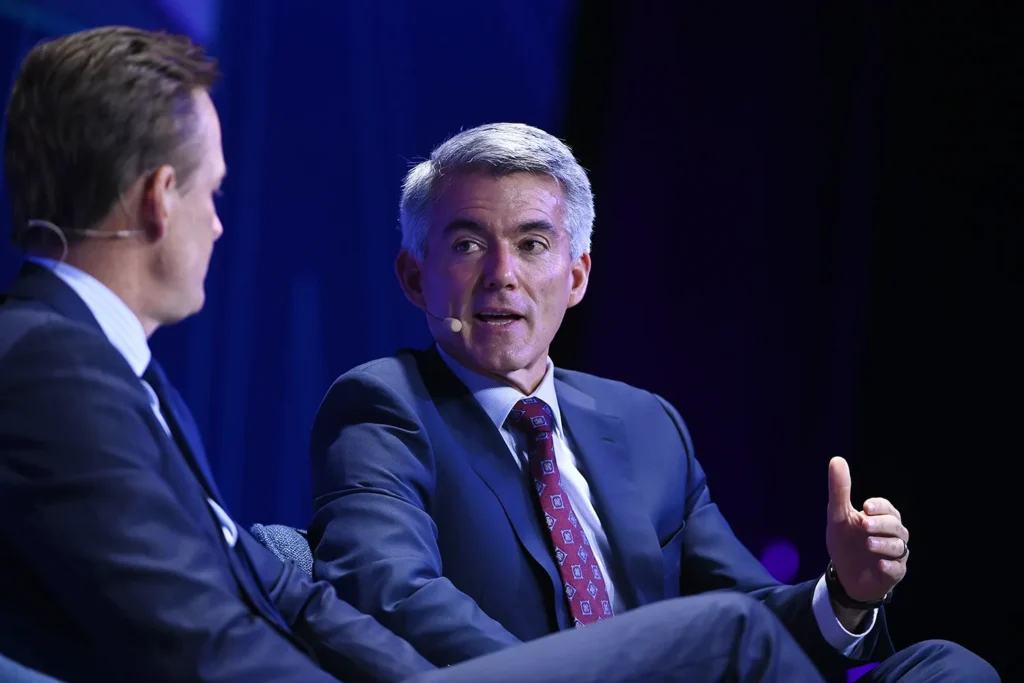
As Rikin Thakker, Ph.D., NCTA’s Chief Technology Officer and Senior Vice President, observed, much of the excitement around 6G at the event was tied to the industry’s broader focus on AI.
“MWC made it clear that much of the industry is trying to generate excitement around 6G by tying it closely to AI, even though 6G standards and real use cases remain years away.”
While discussions around future generations of wireless networks are underway, many operators remain focused on the immediate challenge of continuing to evolve and optimize existing networks.
AI is moving inside the network
Beyond the early conversations about 6G, one of the most significant themes at MWC was how AI is beginning to move from applications running on networks to capabilities embedded directly within network infrastructure.
Across vendor demonstrations and operator discussions, there was growing focus on AI-enabled network operations, automation and optimization — creating networks that can dynamically manage traffic, improve performance and support new digital services.
As Thakker noted, AI innovation itself is already moving quickly and could begin reshaping network architecture well before future generations of wireless technology arrive.
“AI innovation itself does not depend on the arrival of 6G — it is already here and rapidly evolving. What was more interesting were discussions around how AI could reshape RAN architecture and network operations.”
More broadly, discussions across the event suggested the telecom sector is increasingly positioning networks as programmable digital infrastructure platforms that combine connectivity, cloud capabilities and distributed compute resources to support emerging technologies like AI.
Spectrum policy remains a global issue
MWC also provided an opportunity for policymakers and industry leaders to exchange perspectives on the evolving regulatory environment for wireless networks.
Traci Biswese, NCTA’s Vice President and Associate General Counsel, said discussions with regulators highlighted how many of the same policy challenges are emerging across markets worldwide.
“Many of the same policy challenges are playing out globally, particularly around spectrum demand and preparing and securing networks for increased use of artificial intelligence.”
She also noted strong interest from international regulators in how the U.S. experience with network innovation and deployment — including the role of unlicensed spectrum frameworks — continues to evolve.
Among the policy discussions gaining attention were the growing demand for mid-band spectrum and the continued importance of regulatory frameworks that support both licensed and unlicensed spectrum innovation.
Networks are becoming digital infrastructure platforms
Taken together, the conversations at MWC reflected a broader shift underway in the telecommunications sector. Rather than being viewed solely as connectivity providers, networks are increasingly being framed as digital infrastructure platforms that support cloud computing, AI applications and emerging digital services.
This shift reflects the growing convergence between connectivity, computing and cloud technologies. Even as satellite connectivity and new wireless technologies continue to develop, the event reinforced that high-capacity terrestrial broadband networks remain the foundation supporting most global internet traffic and emerging digital innovation.
Looking ahead
The discussions at MWC underscored that while new technologies often capture headlines, the future of connectivity will depend on how networks evolve to support growing demand, new applications and emerging technologies.
As AI becomes more integrated into network operations, spectrum policy debates continue and new wireless technologies begin to take shape, the conversations in Barcelona offered an early look at the forces likely to shape the next phase of global connectivity.