
Comcast and Lone Star College Partner to Connect Students to Digital Learning
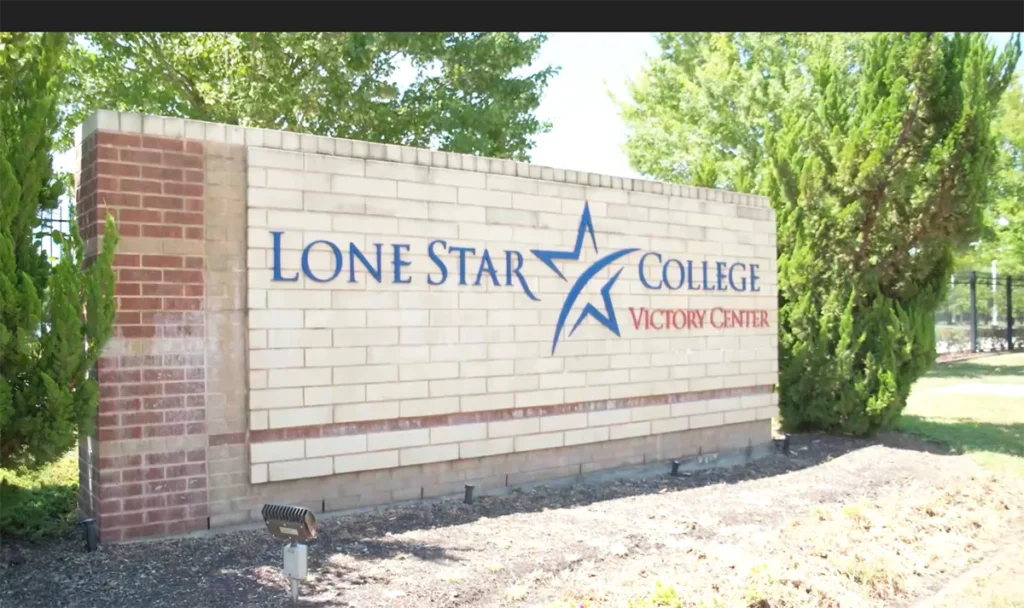
Prior to COVID-19, many colleges and schools were already aware of the digital divide among their student populations. This is why Quentin Wright, President of Lone Star College-Houston North in Texas, always took measures to ensure that classes prioritized face-to-face learning. Not to mention, a technology survey had found that many students in his service area did not have a computer at home or access to a broadband connection. But then came the pandemic. "When March hit, it changed our world tremendously," said Wright. Wright and the college administration had to completely shift direction
A College Student's Account on Learning Remotely in the Time of COVID

When the pandemic forced schools and universities to close across the country this past spring, many turned to distance learning in order to salvage the remainder of the semester for students. NCTA members worked with school districts and colleges across their footprints to help get as many students as possible connected, and teachers and students alike had to adapt to this new learning experience. And while there is no substitute for the benefits that come from in-person learning in schools, there is no denying that a high-speed broadband connection can open up opportunities for students to
Supporting Education During COVID-19

The COVID-19 pandemic has changed just about every aspect of our daily lives and the upcoming school year is no exception as many schools will remain closed throughout the fall. The school closures mean that millions of students will remain at home and begin round two of online learning which first kicked off last spring as the pandemic set in. As teachers and school administrators have been preparing throughout the summer for the continuation of virtual education, America's cable broadband providers have also worked hard to ensure that their networks are meeting the increased surge in online
How Mediacom and Des Moines Public Schools Are Closing the Opportunity Gap
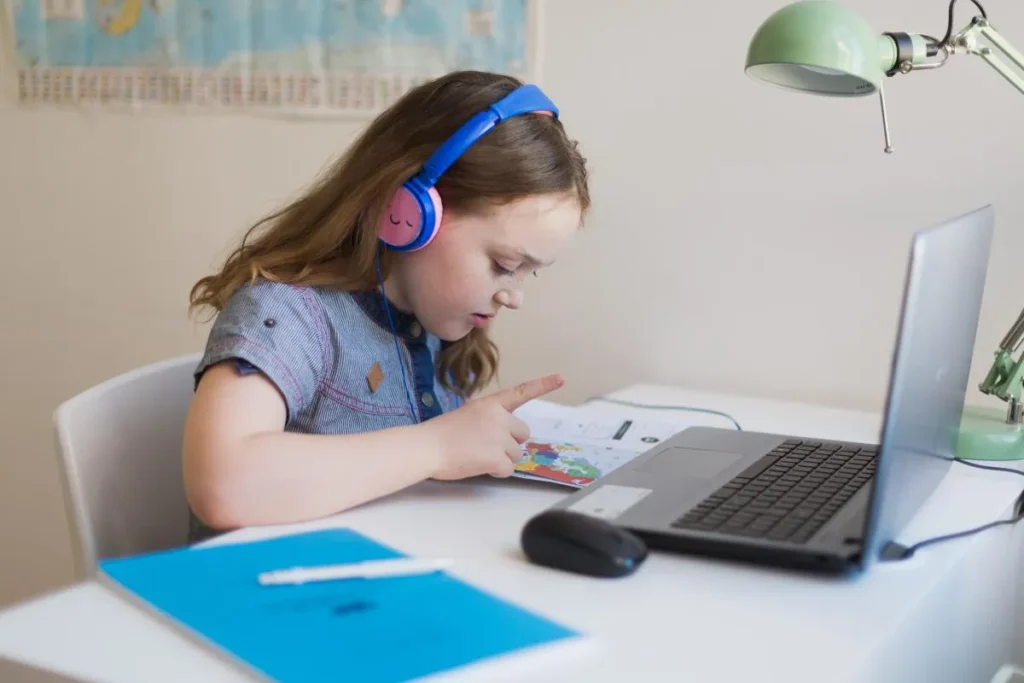
As the school year starts to draw to a close, students and teachers are preparing for the possibility that distance education is here to stay for the foreseeable future. This comes on the heels of the rapid transition to online learning for millions of students around the country. To make sure those students don’t fall behind, America’s broadband leaders have extended their offerings to low-income students through the Keep Americans Connected Pledge, as well as through community programs, including public–private partnerships such as the one between Mediacom and Des Moines Public Schools (DMPS
Supporting America's Schools During COVID-19

Teacher Appreciation Week has looked very different this year with school closures and students isolated at home with their families due to the COVID-19 pandemic. In a lot of cases, kids are receiving classroom online instruction in order to close out their school year. Teachers and schools have gone to great lengths to continue the learning process for millions of students across the country through virtual means, and America's broadband leaders are working on the backend to not only ensure that their networks are meeting their demands, but to give access to those underserved households and
America's Broadband Leaders Extend Their Connectivity Relief Efforts During COVID-19

Last month, the country's cable broadband leaders came together and made a commitment to help Americans get through this pandemic by signing onto the Keep Americans Connected Pledge. The FCC initiative was started to ensure that Americans and small businesses impacted by the COVID-19 pandemic could continue to access an internet connection. Through this pledge (which extended originally until mid-May), NCTA's broadband members committed to meet the government's pledge by waiving late fees for affected customers, maintaining connectivity irrespective of COVID-19 payment complications, and
COVID-19 Update: The Cable Industry’s Ongoing Response
As the COVID-19 crisis intensifies across the U.S. and around the globe, developments are changing rapidly as data and analysis about the spread of the virus continue to be released. But the most constant prescription for “flattening the curve” to reduce the spread of the virus is the strong advice for consumers to stay in the safety of their homes and stay socially distant from others. This means that tens of millions of Americans are now working, doing schoolwork and entertaining themselves at home, and they are relying on the internet to keep them connected to their jobs, their schools
The U.S. Is a World Leader in Internet Inclusivity

For the third year in a row, the United States ranks in the top three countries in the latest Inclusive Internet Index, and boasts the number one spot globally for the affordability category. The report, now in its fourth consecutive year, covers internet accessibility by looking at four factors that contribute to shrinking the global digital divide: availability, affordability, relevance, and readiness. The U.S.’s top marks in affordability comes as no shock, since data from the Bureau of Labor Statistics shows that Americans spend less on an internet plan than other monthly expenses like a
The Monthly Value of Internet

The internet has become such a part of our daily lives that a connection is now considered a must have, not a luxury. Entertainment, school, research, careers, and relationships are all greatly enhanced by a modern internet connection. Considering the fundamental role connectivity plays in our lives, monthly internet subscriptions make up a relatively small part of average household expenses. According to the Bureau of Labor Statistics, Americans on average spend more on gym memberships, cell phone plans, electricity, gas and dining out than they do on their internet plan. Not every household
A Robust Solution to Closing the Digital Divide

It’s 2020 and for most of us, the internet feels truly ubiquitous. From the moment we wake up to the moment we go to sleep, much of our daily routine depends on an internet connection. In fact, a 2019 Pew study found that 73% of Americans go online at least several times a day, with 28% describing themselves as online “almost constantly.” But even as internet technology continuously improves and becomes a more frequent part of daily life for most Americans, we remain mindful that for a small, but persistent group of Americans, the barriers to broadband adoption remain significant. The