
Working Towards Digital Inclusion for Americans with Disabilities

Today, on International Day of Disabled Persons, it's important not only to raise public awareness about people with disabilities, but also to find ways to further empower and equip these individuals with the tools to become participants in our digital economy. Unfortunately, people with disabilities are almost three times less likely to use the internet than those without disabilities, according to research studies. In 2017, Pew Research Center came out with a report that revealed that 23% of people with disabilities said they "never" went online, compared to 8% of those without disabilities
Closing the Digital Divide Means More Than Just Getting Connected

A new report shows that convincing unconnected low-income families to become broadband subscribers requires much more than just offering discounted internet service. It also requires digital literacy training that encourages Americans to become life-long digital citizens. In fact, the Technology Policy Institute's report, "Reaching the Unconnected," cites Comcast's broadband adoption program, Internet Essentials, as a great example of a program that is providing this motivation by creating a seamless learning integration into the digital world for first-time internet subscribers. Internet
Comcast's Internet Essentials Connects 8 Million People

Comcast announced this week that its broadband adoption program, Internet Essentials, has connected more than eight million people who qualify for low-cost internet service since the program's inception in 2011. Three million more households, including people with disabilities, are eligible to apply for the $9.95 a month service in the latest expansion. This marks the program’s largest expansion in history as the service now extends to every low-income home within Comcast’s footprint. "This expansion is the culmination of an audacious goal we set eight years ago, which was to meaningfully and
Why Internet is Essential to America’s Agriculture

While many might associate business and technology with large urban hubs like Silicon Valley, small towns across the U.S. are showing that there are plenty of opportunities to be found in rural America. The availability of gigabit internet speeds is one method that is proving to transform rural areas. As America's cable operators continue to build out robust networks that deliver these gigabit internet speeds, everyone from entrepreneurs to small business owners to farmers are getting the chance to revitalize their communities in the best ways possible. In NCTA's video series, Connecting Rural
What Cable Operators Are Doing to Close the Digital Divide in Rural America

On Tuesday, NCTA in cooperation with the Rural Broadband Caucus will gather policymakers and stakeholders to discuss the successful strategies and projects that cable operators are using to close the digital divide in rural America. There isn't a more critical time to hold this conversation than the present. While most American households can access a broadband connection, six percent of all Americans and 26 percent in rural America remain unconnected to high internet speeds (25 Mbps or more) and are missing out on the promises and benefits the internet offers. Extending robust broadband
U.S. Repeats its World-Class Rank in Internet Inclusivity

For the second year in a row, the United States scored among the top three countries in the latest Inclusive Internet Index report. The report, now in its third consecutive year, covers internet accessibility by looking at factors that contribute to shrinking the digital divide. Coming in only behind Sweden and Singapore—two countries which are much smaller in size—the U.S. ranked third among 100 countries according to the following evaluators for internet accessibility: availability, affordability, relevance and readiness, with affordability ranking second in the world. America's broadband
Cox Pledges $20 Million Annually Towards Broadband Adoption
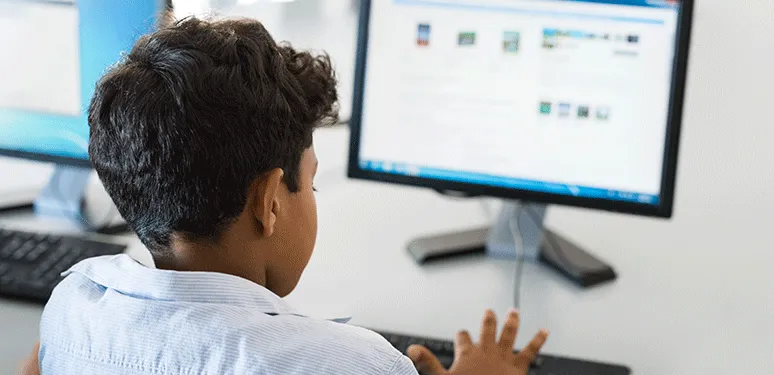
Internet adoption programs are reaching more Americans than ever and helping them lead their best lives while giving them the skills and tools they need to compete in the global marketplace. And they got another boost yesterday when Cox Communications announced that the company is increasing its commitment to $20 million annually for Connect2Compete. Cox's CEO Pat Esser made the announcement yesterday along with the release of survey results that measured the impact of the program and how Cox will continue to expand it to more Americans. The survey of 1,700 families revealed that 91 percent
Internet Adoption Programs Are Setting People Up for Success

As we learned earlier this month, the release of Comcast's seven-year progress report of the Internet Essentials program indicated that internet adoption programs have reached more than six million Americans. But Internet Essentials—the largest broadband adoption program in the U.S.—is doing more than just expanding internet-connected households across the country. It's helping to improve the lives of low-income families and individuals in almost every way possible. While discount incentives and initiatives for low-income Americans are making an internet connection inside the home more
Comcast's Broadband Adoption Program is Making a Difference for Six Million Americans

Broadband adoption among low-income Americans has reached a new milestone, as many people will now have one less barrier to gaining access to an internet connection. Comcast announced this week that its Internet Essentials program—the largest broadband adoption program for low-income families in the U.S.—has now reached more than six million Americans. While Internet Essentials originally began as a program to help low-income families with school-aged children gain connectivity through discounted broadband services, free training programs, and low-cost computers, Comcast has continually
How High-Speed Internet is Improving Education in Rural Schools

Many schools today look a lot different than they used to. High-speed connectivity is encouraging the adoption of 1-to-1 laptop and Bring-Your-Own-Device programs in schools, as well as reputable online learning programs like the Khan Academy, a well-known video lecture site for classroom instruction. But where technology and a broadband connection are having a huge impact in education are in the schools that reside in the most remote parts of the nation. These are communities where miles and miles of land might separate one household from its closest neighbor, or where harsh weather or