
As Universities Go Remote, Students Rely on Broadband to Adapt

Across the United States, millions of college students are sitting for their final exams in a very different environment than they anticipated. This year, there will be no large lecture halls filled with students. Instead, the COVID-19 pandemic forced higher education institutions to shift to remote or hybrid learning models, with students taking classes from laptops, in their dorm rooms, or their family’s home. NCTA spoke with college students who are closing out a full semester of remote and hybrid learning. For some students, the pandemic has meant that almost a year of their college
Cox and Connecticut Connect Students Through 'Everybody Learns'

In the wake of school closures provoked by the COVID-19 pandemic, a groundbreaking public-private partnership emerged to connect students in Connecticut. Across the state, thousands of students struggled to "learn from home" without a broadband connection. While internet service providers (ISPs) like Cox Communications had quickly kicked into action, both the public and private sectors knew that more needed to be done. By coming together, Cox and the state of Connecticut were able to leverage their collective expertise to get those students online in time for the Fall 2020 semester. Cox has a
Cox's Team in Louisiana Steps Up to Get Students Online

School shutdowns nationwide amid the COVID-19 pandemic have impacted millions of Americans, especially those children and families who lack high-speed internet connectivity in their homes. In states like Louisiana, the digital divide is significantly pronounced and difficult to remedy. Fortunately, Cox Communications stepped up to help in areas including New Orleans, Baton Rouge and Lafayette Parish with its Connect2Compete broadband adoption program. The internet service provider (ISP) had a strong, existing presence in those regions, having forged long-time partnerships with schools and
How the Cable Industry is Bridging the Digital Divide
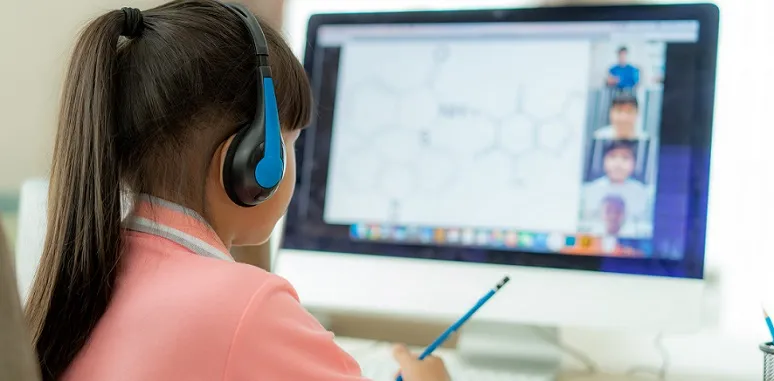
As America continues to cope with the COVID-19 pandemic, September’s announcement of the “K-12 Bridge to Broadband” initiative announced by NCTA and EducationSuperHighway (“ESH”) was a watershed moment in the national imperative to shrink the ‘homework gap’ that ESH estimates currently impacts an estimated 9.7 million students. The initiative establishes a public-private partnership model that is already starting to see major accomplishments and sets the groundwork for making a meaningful difference in helping millions of American students use home broadband service to facilitate distance
Midco's Commitment to Connecting Students During the Pandemic

"Midco will do what it takes." These are the words that Rupak Gandhi, school superintendent in Fargo, N.D., said he heard Midco representatives repeat to him again and again when his district turned to the ISP for help this past spring. Back in March, when the COVID-19 pandemic shut down schools across the country including in North Dakota, Gandhi's district faced the challenge of getting every student ready for remote instruction, with every decision dependent on students having an internet connection in their homes. The school district of Fargo is the second largest in North Dakota and
Mediacom’s Connect2Compete Keeps Waterloo Students Connected
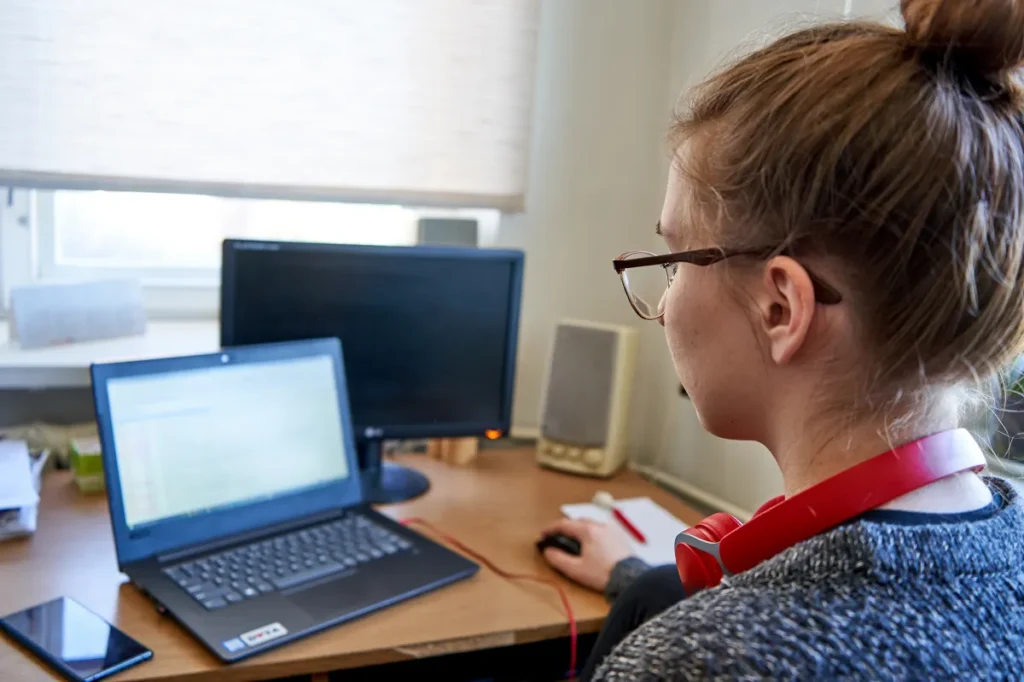
As the COVID-19 pandemic forced a nationwide shift to distance learning, schools and internet service providers quickly mobilized to close the gaps for students without a home internet connection. In Iowa, a collaboration between Mediacom Communications and Waterloo Community Schools allowed K-12 education to continue. “Waterloo is a very diverse community in terms of both ethnicity and socioeconomic status.” says Matt O’Brien, executive director of technology for Waterloo Community Schools. “With the move to distance learning, we absolutely didn’t want internet access to be a barrier.” By
Cox Doubles Down on Commitment to Connect Students

To check the latest findings on nationwide broadband network performance during the pandemic, go to the NCTA COVID-19 dashboard. The cable industry has long been committed to closing the digital divide through its numerous broadband adoption programs, community initiatives, and school partnerships. But as the COVID-19 pandemic continues, America's broadband leaders have doubled-down on this commitment to address the education crisis that the country is facing right now. With many schools still either closed or in a hybrid learning mode, cable operators have been stepping up since March to
Comcast and Chicago Public Schools Team Up to Enable Distance Learning

As schools across the country dive head-first into distance learning and attempt to resolve digital equity issues, districts can find a great model in Chicago Public Schools (CPS) and its unique public-private partnership with Comcast. This past summer, Comcast, along with multiple stakeholders, worked with CPS to launch Chicago Connected, a digital equity initiative whose goal is to provide broadband internet at no cost over the course of four years to as many as 100,000 eligible students. The initiative is part of a nationwide effort, K-12 Bridge to Broadband, which provides a path for
VIDEO: Keeping Everyone Connected

Supporting families, students, and businesses when connectivity mattered most.
Cable ISPs and Schools Come Together in New Broadband Connectivity Effort
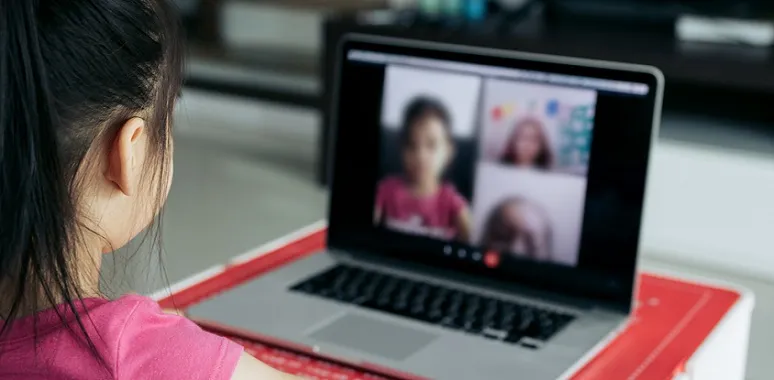
"Back to school" time has looked very different this year as millions of kids started K-12 classes this week virtually instead of in the classroom. With many schools still closed for in-person learning due to the COVID-19 pandemic, America's cable internet service providers have been working in their communities, developing partnerships with school districts across the country that are focused on figuring out which students lack a home broadband connection, and getting service to those kids within reach in order to assist in enabling online instruction. As part of this effort to close this gap