
Cable Operators Begin to Roll Out Emergency Broadband Benefit
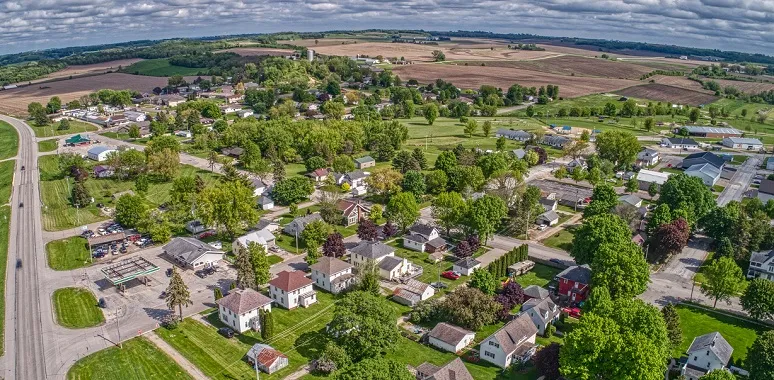
This past year has underscored the importance of broadband in the home more than ever before. During the COVID-19 pandemic, broadband connectivity has allowed millions of Americans to work and learn from home, to attend telehealth appointments, to connect with loved ones, and to continue a semblance of their pre-pandemic lives online. In recognition of this necessity and in response to the pandemic, Congress has provided the Federal Communications Commission with $3.2 billion to implement the Emergency Broadband Benefit (EBB) program. Beginning today, the EBB gives Americans who meet certain
Setting the Record Straight About Broadband Pricing
Some advocacy groups, like The Open Technology Institute (OTI), are repeating the assertion that prices for broadband service in the U.S. are significantly higher than in Europe and other countries around the world. That is just not true. And misinformation is not helpful to the critical discussion of how to get everyone in America connected. The statements that advocates often make don’t hold up when the cherry-picked data is subjected to closer scrutiny. No amount of repetition or volume changes these false claims. The OTI report has been soundly debunked (more than once) including in a new
Recognizing the Importance of School Partnerships During Teacher Appreciation Week
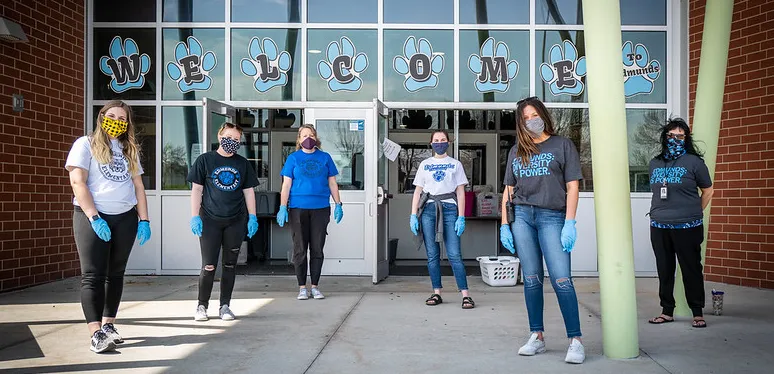
When the COVID-19 pandemic sent students home from school, many educators were forced to move their classes entirely online. This shift to distance learning was a significant endeavor, especially as some students did not have internet access at home. In honor of Teacher Appreciation Week, NCTA celebrates the educators who rose to meet these new challenges. Teachers have gone to great lengths to continue the learning process online. As distance learning plans evolved, educators and broadband providers across the country collaborated to connect students and families in need. These partnerships
A D.C. Resident Shares How the Internet Changed Her Life
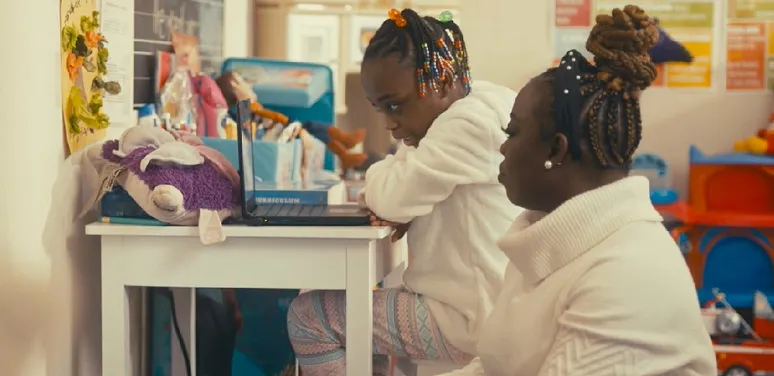
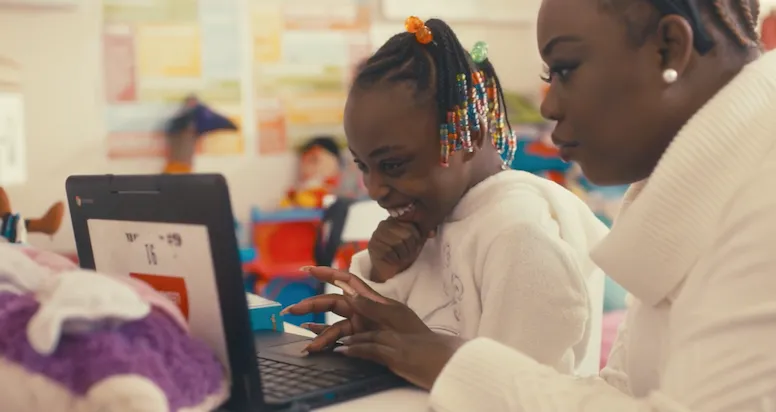
Since LaJoy Johnson-Law gained access to the internet in her home last year, life has completely changed for her and her 8-year-old daughter, Abria. A resident of southeast Washington, D.C., Johnson-Law is one of 14 million people who have been connected to broadband internet through the cable industry's broadband adoption programs over the past decade. While Johnson-Law, like many other Americans, was able to make due without the internet for many years by either using the internet at a neighbor's home every once in a while or her phone’s hotspot, everything changed when COVID-19 hit the
What Cable ISPs Are Doing to Close the Digital Divide
Just a few weeks ago, Comcast announced on the 10th anniversary of its successful broadband adoption program, Internet Essentials, that it would invest $1 billion over the next decade towards closing the digital divide. This includes investments towards providing support for its Lift Zones—WiFi-connected safe spaces in 1,000+ community centers nationwide—, new equipment donations, grants for community organizations that help low-income Americans, and continued support for the Internet Essentials program. To top it off, the ISP stated that over the past decade, Internet Essentials has helped to
Every Day is Digital Learning Day

Today, schools and communities nationwide are sharing best practices on distance learning in honor of Digital Learning Day. Launched 10 years ago by the Alliance for Excellent Education, Digital Learning Day is a time to not only celebrate the innovative instruction happening online, but to advocate for closing the digital divide so that every child can experience digital learning. Never has this issue been more pronounced than during the COVID-19 pandemic, and cable operators have been doing their part to ensure that students have the tools they need to continue their schooling online. The
Cable Broadband Providers Have Connected Millions of Americans In Need
Over the course of the COVID-19 pandemic, NCTA members have worked hard to ensure all Americans remain connected to fast and reliable internet service. In rising to the challenge, cable broadband providers expanded and enhanced their low-income broadband programs and launched new programs to qualifying customers. To date, NCTA members have connected over 10 million consumers to broadband internet through these programs. Why it matters: In a world where an internet connection is a must-have for everything from education and healthcare to job searching, the low-income broadband programs like the
Discovery’s Virtual Field Trip to the Inauguration
Over the past year, countless in-person events have re-imagined themselves as virtual experiences. From the BET Awards to ESPN’s Virtual Draft to one of the largest technology trade shows, there have been countless great examples of how organizers adjust to make the most of an unusual circumstance. And while this year’s Presidential Inauguration might be different from years past, it also provides a new opportunity for Americans to experience and share in the solemn tradition. That’s why Discovery Inc. and Discovery Education together have launched I Do Solemnly Swear: The U.S. Presidential
What Broadband Connectivity Did for Americans in 2020

The end of the year often brings reflections, and looking back, everyone can agree that 2020 was a year like no other. The COVID-19 pandemic brought not only health struggles, but also financial and economic hardship. It was also a year that saw more people turn to technology and the internet than ever before to continue some sort of semblance of their lives. Remote work, distance learning, telehealth, streaming, and live video chats took off. The cable industry came together early on to use its services, reach, and influence to help connect as many Americans to the internet as possible. In
Cox's Tulsa Team Helps Students Overcome Barriers to Distance Learning

When COVID-19 touched Tulsa, Oklahoma, last spring, the community knew it would face significant challenges in critical areas, particularly in the education space. As many school districts across the country moved online in lieu of school closures, the digital divide in high-need areas nationwide became even more pronounced, including in Tulsa. In fact, one in three households in Tulsa did not have the broadband connectivity necessary to attend virtual meetings or to participate in distance learning. Additionally, approximately 15% of Tulsa households lacked internet connectivity of any kind.