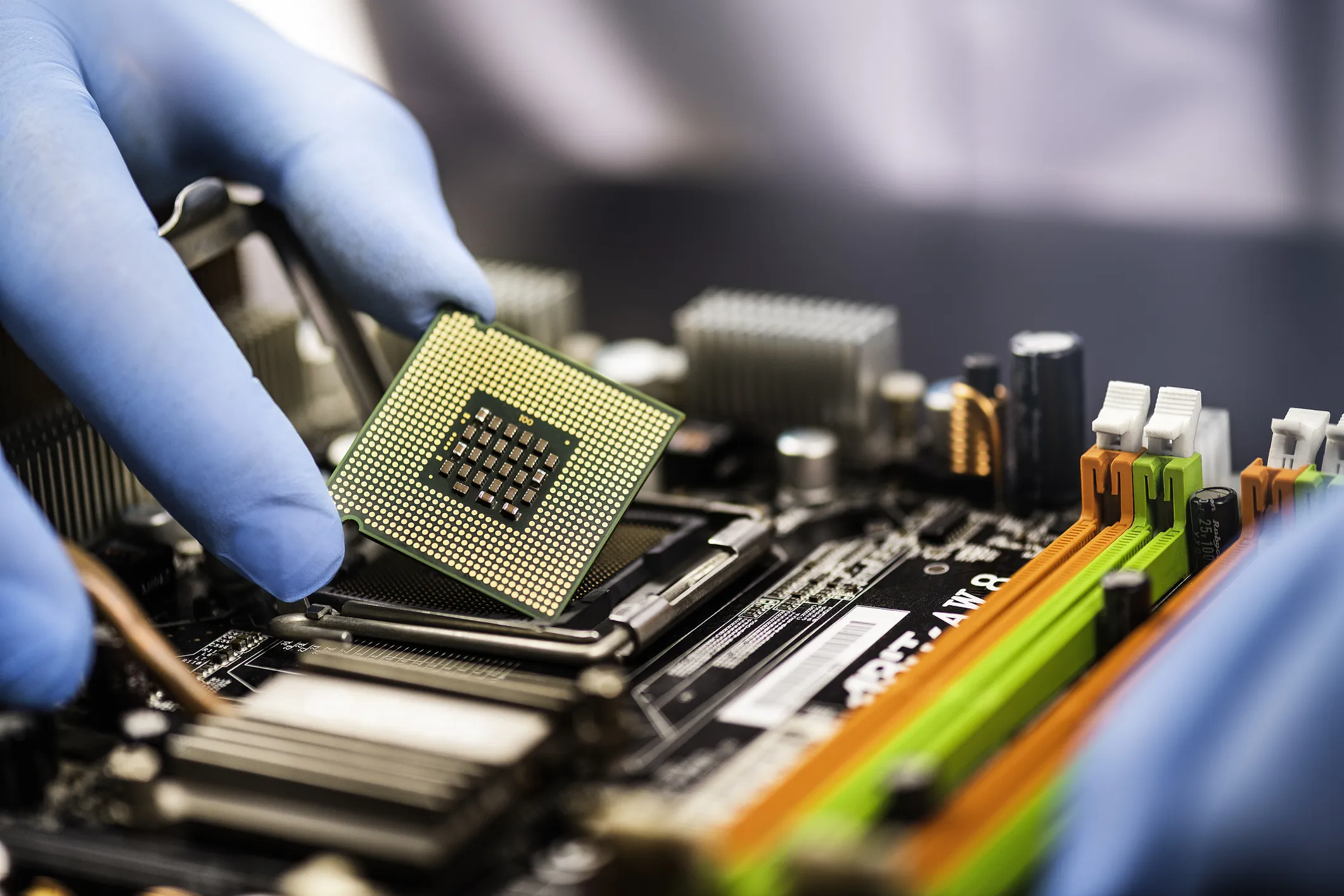
The global memory chip shortage is continuing to ripple across the technology sector, putting pressure on the supply chains behind everything from consumer electronics to the infrastructure that powers the internet.
At the center of the crunch is the rapid expansion of artificial intelligence. The massive data centers supporting AI require enormous amounts of high-performance memory, driving demand to new levels and prompting chip manufacturers to prioritize production for the AI market. That shift is tightening supplies of conventional memory, including the types used in routers, gateways, and other equipment that power broadband networks.
20%
Of router manufacturing costs now come from memory
Memory has gone from a relatively small expense to a significant share of router production costs. In just one year, its share jumped from about 3% to more than 20%, adding cost pressure to equipment that helps power broadband connections.
20 Years
Of progress in memory prices erased
For decades, the cost of computer memory steadily declined as technology and manufacturing improved. But the current shortage has reversed that trend, with one analysis finding that AI-driven demand erased about 20 years of progress in a matter of months.
90%
Of the global memory market supplied by just three companies
Three companies produce more than 90% of the world’s DRAM memory chips, leaving the market heavily dependent on a small number of suppliers. This concentration limits flexibility to increase supplies of conventional memory such as DDR4 when shortages emerge.
50%
Of global memory consumption now comes from data centers
Data centers now account for roughly half of global memory consumption, up from 32% just five years ago. AI and data centers could consume as much as 70% of global memory supply in 2026, further increasing competition for available chips.
Source: PCWorld, Toms Hardware, Bloomberg