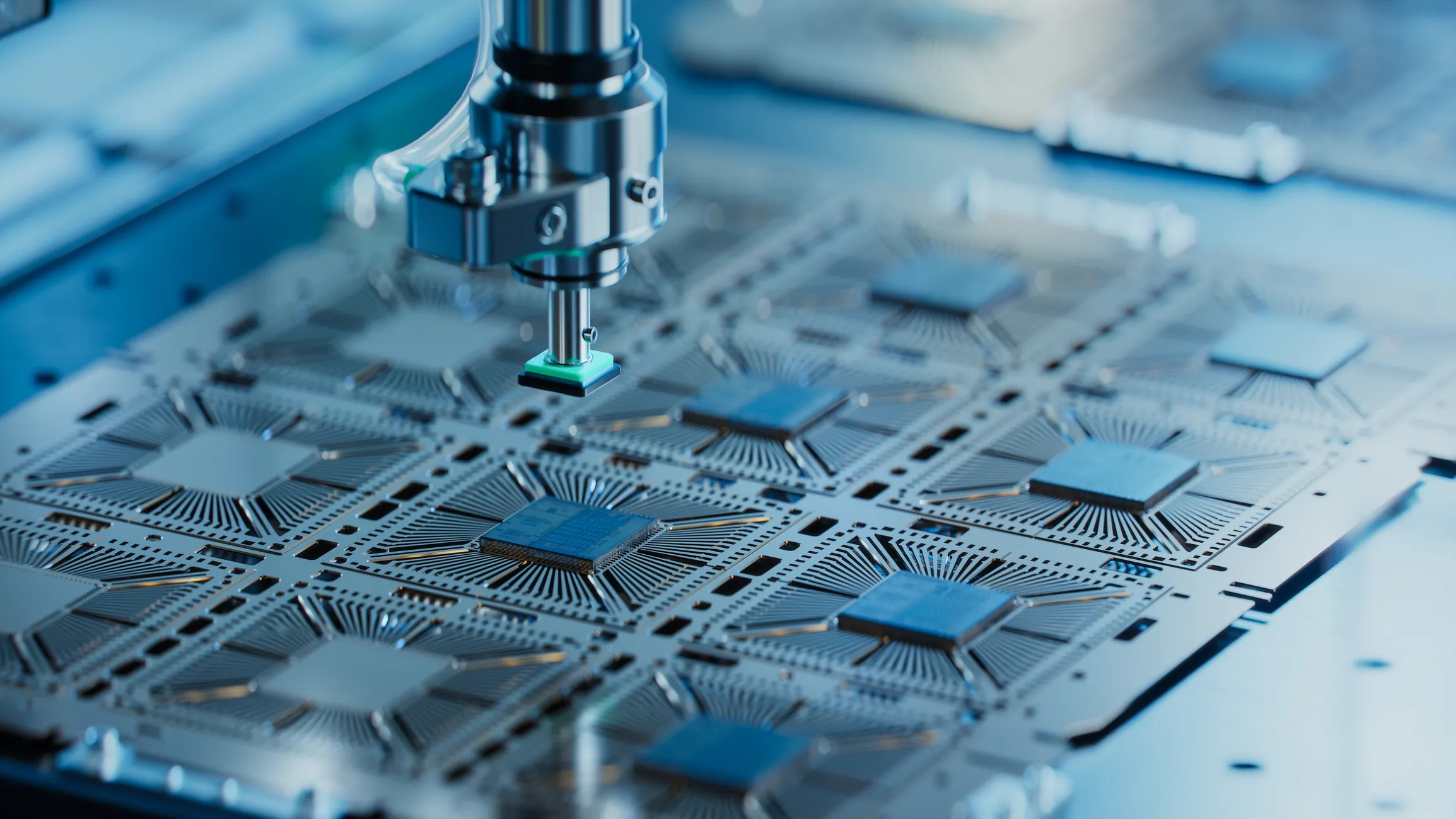
A growing shortage of memory chips is beginning to ripple across the global economy — and the effects are reaching the infrastructure that powers the internet.
Driven largely by surging demand from artificial intelligence, manufacturers are shifting production toward high-performance chips used in data centers. That shift is tightening supply for the widely used memory components that support everyday technologies, from home broadband equipment to medical devices and vehicles. For internet providers, these same chips are foundational to the routers, gateways, and network equipment that deliver connectivity to tens of millions of Americans.
The result is a structural imbalance: as demand accelerates, access to essential chips is becoming more constrained and more expensive across multiple industries.
A structural shift in the memory market
At the center of this issue is DRAM, a type of semiconductor memory that enables devices to process data in real time and is embedded across modern digital infrastructure.
Within that category, DDR4 has long served as a widely deployed, cost-effective standard used in broadband equipment, consumer electronics, and industrial systems — and remains deeply embedded in broadband networks and customer equipment. But the market is now undergoing a significant shift driven by AI.
The three companies that produce more than 90% of the world’s memory chips are increasingly redirecting production toward higher-performance memory such as DDR5 and high-bandwidth memory (HBM), which are optimized for AI data centers.
As AI demand accelerates, it is reshaping how global chip capacity is allocated. High-performance memory used in AI servers commands a substantial premium, incentivizing manufacturers to prioritize those products over conventional memory.
As a result, supply of DDR4 — still critical to a wide range of applications — is tightening, creating downstream effects for industries that rely on it, especially communications infrastructure. The end result is that America’s digital infrastructure – the essential networks that every industry relies on – is being strangled, directly impacting banking, public safety, healthcare, finance, IT, transportation, energy, and other important sectors.
Rising demand, tightening supply
Data centers already account for roughly 50% of global memory consumption, up from about 32% just five years ago, and could absorb as much as 70% of global memory supply in 2026 alone.
That demand is colliding with a supply base that is both concentrated and constrained. Memory production is dominated by a small number of suppliers, while semiconductor manufacturing more broadly remains geographically concentrated with limited domestic capacity for many types of chips used in communications equipment.
The impact is showing up clearly in pricing and cost structures:
- DDR4 memory prices have increased 700–800% year-over-year.
- Memory’s share of total manufacturing cost for routers has risen from roughly 3% to more than 20% in the past year.
For broadband providers, this shift directly affects the cost and availability of the equipment needed to expand and maintain networks.
What it means for internet infrastructure
For broadband providers, memory chips are a core component of the equipment that delivers connectivity to homes and businesses.
Routers, Wi-Fi gateways, cable modems, and other network infrastructure rely heavily on DDR4 and similar memory technologies. As supply tightens and costs rise, providers are managing increased pressure on equipment procurement and deployment timelines.
At the same time, transitioning to newer memory standards requires redesigning hardware and reengineering systems, adding complexity and cost at a time when demand for faster speeds and greater capacity continues to grow. This creates a disconnect between accelerating demand for data — including AI-driven traffic — and the availability of the underlying equipment needed to support it.
Ripple effects across industries
The effects of the memory shortage are already being felt across sectors that rely on consistent access to these components.
- Automotive: Infotainment systems and advanced driver-assistance systems (ADAS) depend on memory for real-time processing and performance.
- Honda has reduced North American production by approximately 110,000 vehicles as chip shortages continue to disrupt supply chains.
- Healthcare: Systems such as MRI and CT scanners depend on memory for real-time data processing.
- Consumer electronics: Smart TVs, gaming systems, and connected home devices all rely on steady memory supply.
- Education: Low-cost laptops and classroom devices depend on DDR4 to maintain affordability.
Industry leaders have described the current environment as “unprecedented,” with some projecting that supply constraints could persist for several years.
A growing pressure point for the digital economy
The current memory shortage reflects a broader structural shift in the semiconductor market. As AI-driven demand accelerates and supply is reallocated, industries that depend on conventional memory are navigating a more constrained environment.
For the internet ecosystem, the implications are increasingly clear: the components that underpin connectivity are becoming more difficult — and more expensive — to secure, even as reliance on those networks continues to expand.