From closing the homework gap to strengthening campus safety, the Citizens Broadband Radio Service (CBRS) is helping school districts build wireless networks tailored to the needs of their students and staff.
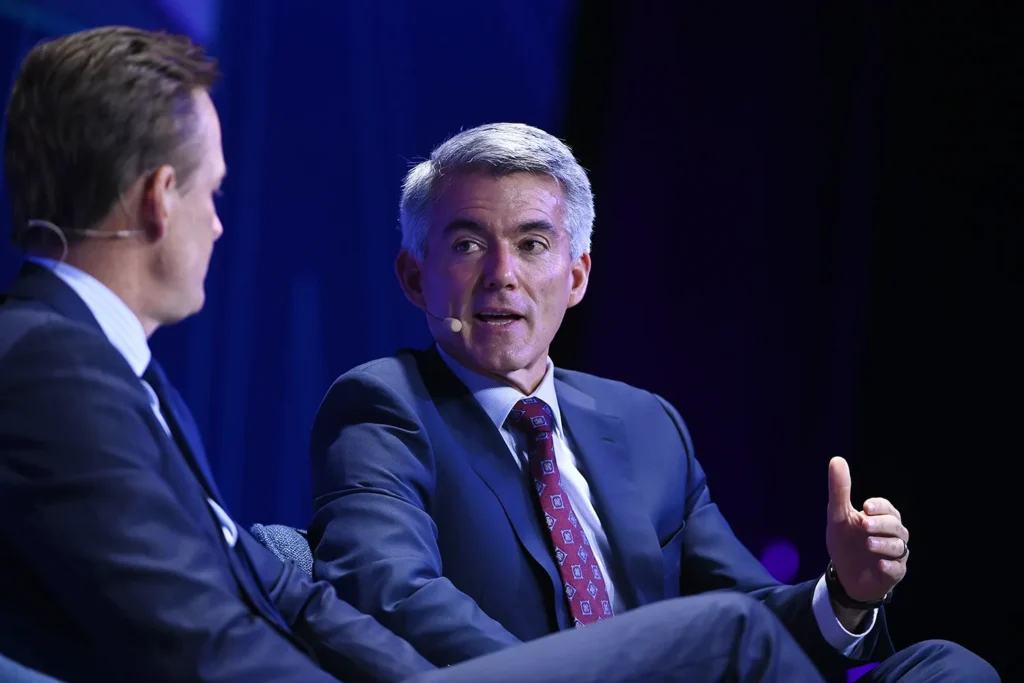
Recently, NCTA partnered with the National League of Cities to host CBRS in Action: Powering Connectivity and Innovation in Communities, a webinar exploring how CBRS networks are serving a range of community institutions. Moderated by NCTA’s Mary Claire York, the panel included Jason Eyre of Murray City School District in Utah, Jonathan Lewis of Miami International Airport, and Jerry Leverich of Spectrum for the Future. Here’s a closer look at the school district’s story.
What Is CBRS?
CBRS is 150 megahertz of spectrum in the 3.5 GHz band, shared between the U.S. Navy and commercial users through an automated spectrum access system. Its locally licensed rules let schools, cities, hospitals, and businesses run their own cellular networks on a local scale.
- More than 440,000 CBRS devices are deployed nationwide.
- About 75% of U.S. private networks run on CBRS.
- Most deployments use the General Authorized Access (GAA) tier, which requires only FCC registration and no license fee.
Murray City School District: An Early Adopter
Murray City School District began exploring a private LTE network in 2018, before most people had heard of CBRS. Priority Access Licenses sold for more than $1 million per 10 megahertz at the time, so the district built its network on the free GAA tier. Since then, CBRS has supported:
- Home connectivity that helped close the homework gap during the pandemic.
- The district connected the devices it sent home with students, giving every household working internet, regardless of economic or housing status.
- School safety systems, as the district repurposed its CBRS equipment after the pandemic.
- Alyssa’s Law requirements and state and federal school safety grants, including COPS grants, helped support the shift.
- Campus coverage in hard-to-reach areas.
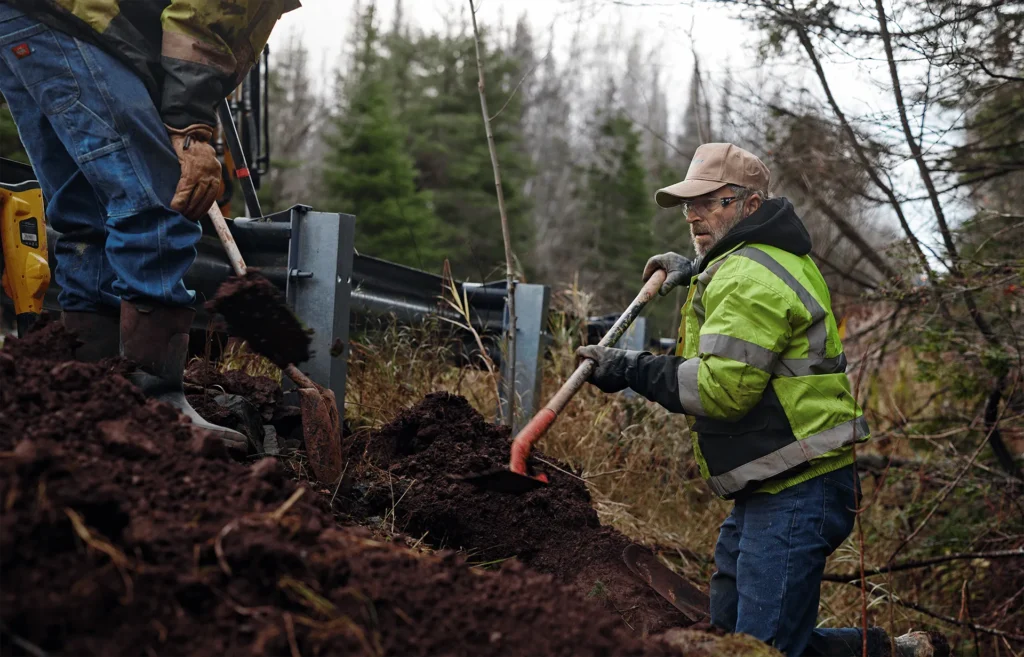
- A camera at the driver’s ed range lets instructors review incidents and give students feedback, and it was installed without trenching the lot.
Sharing Spectrum in Practice
Sharing spectrum with the Navy can sound intimidating, but Eyre said the impact is manageable. When Navy activity passes nearby, a network’s channels may shift within the band.
“Don’t let that intimidate you. There’s going to be plenty of spectrum to do what you need,” said Eyre.
When a neighboring network caused interference, the district fixed it by changing a single radio setting to match. Eyre credited the band’s power limits, which keep any one user from drowning out the others.
Deployment has also gotten easier. Early networks weren’t for the faint of heart, but six years in, the district has watched a full ecosystem of integrators, managed service providers, and compatible devices emerge.
The Policy Threat
The CBRS sharing framework is working, with no reported interference to Navy radars. But a pending FCC proposal, sought largely by the nationwide carriers, would raise power levels for some users and loosen out-of-band emissions limits.
Those power limits are exactly what let Murray City solve interference with a single setting change. Raising them for some users could drown out the smaller GAA networks that schools and other community institutions rely on.
A recent study by Valo Analytica shows how quickly those impacts could add up. Converting fewer than 2% of base stations to higher power could eliminate more than 65,000 channels, and a single high-power deployment could block shared use across thousands of square kilometers, limiting access to the channels that 96% of CBRS users rely on today.
What Local Leaders Can Do
Leverich urged local leaders to file brief comments in the FCC’s open CBRS docket and tell members of Congress how the band serves their communities.
For communities considering their own networks, the panelists recommended starting with a cost-benefit analysis of potential use cases and leaning on integrators and managed service providers.
“I think a lot of times people don’t believe what we’re talking about, that you can do your own mini cellular network,” said Eyre.
Keeping Communities in the Driver’s Seat
“CBRS is one of those rare spectrum policies, technology policies that came down from the federal government, but that really puts communities in the driver’s seat,” said Leverich.
Preserving the band’s shared framework, including its current power limits, will keep America’s Innovation Band open to the schools and communities that depend on it.