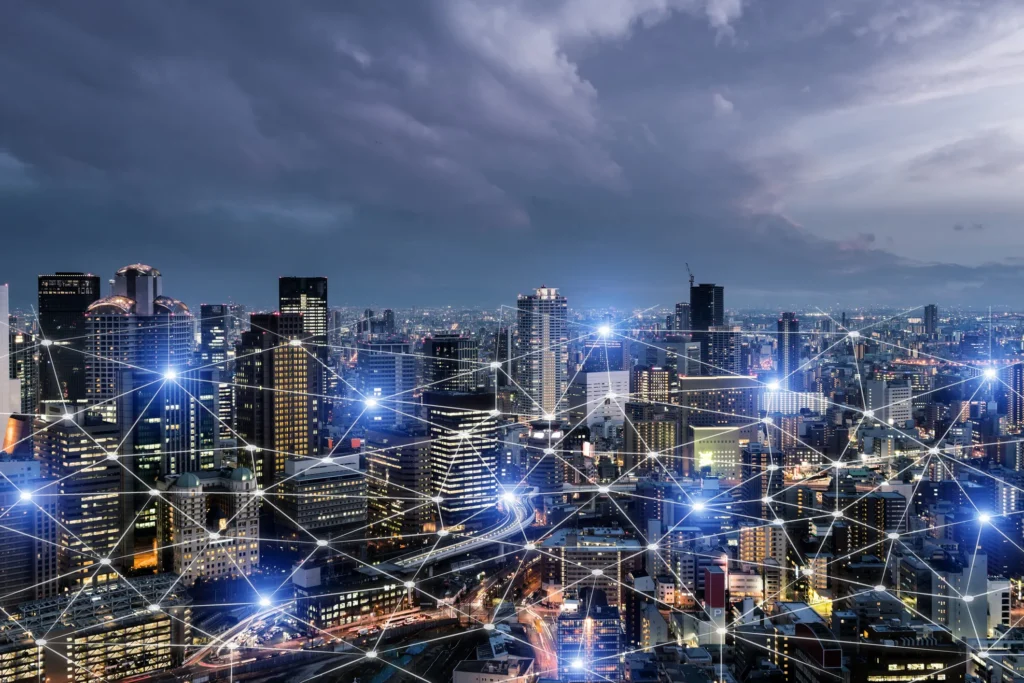
Wi-Fi plays a central role in America’s daily operations, from powering personal connectivity in the home to facilitating digital workplaces, education, healthcare, small businesses, agriculture, manufacturing, and much more.
Without adequate spectrum for unlicensed use, America faces the possibility of Wi-Fi congestion, which would undermine the connectivity that keeps people productive, informed, and engaged. Not only that, but America will lose out on significant economic growth, given how many critical sectors rely on Wi-Fi.
Wi-Fi is also essential to libraries and community centers — trusted local institutions that increasingly serve as access points to the digital world. For millions of Americans, these spaces provide reliable internet access, technology support, and essential services that help people participate fully in modern life, particularly in rural and underserved communities.
A hub for everyday needs
Libraries and community centers have long served as places to learn, gather, and find support. Today, they also function as critical connectivity hubs for people who may not have reliable broadband access at home.
Residents rely on public Wi-Fi at these locations to:
- Apply for jobs and access workforce training
- Attend virtual classes or complete schoolwork
- Schedule medical appointments or use telehealth services
- Complete government forms and access public benefits
In many communities, especially rural areas, these institutions are often the most dependable — and sometimes the only — place where people can get online safely and consistently.
Modern services require modern networks
The role of libraries and community centers has expanded well beyond traditional offerings. Many now host virtual workshops, after-school tutoring, digital literacy programs, and job-training courses. Others provide loaner devices, language interpretation services, and one-on-one technical assistance.
Supporting this range of services requires Wi-Fi networks that are fast, secure, and scalable. On any given day, dozens of users may be connected simultaneously, using multiple devices for bandwidth-intensive applications like video conferencing, streaming educational content, or accessing cloud-based tools.
With robust Wi-Fi in place, staff can serve more people more efficiently — and patrons can fully participate in digital life.
A safety net in times of crisis
When communities face disruption — from natural disasters to power outages to public health emergencies — libraries and community centers often become anchors of stability.
During the COVID-19 pandemic, these spaces transformed into virtual learning hubs, vaccine registration sites, and distribution centers for food and essential supplies. Reliable Wi-Fi made it possible to share real-time information, coordinate services, and keep people connected when other systems were strained.
In the aftermath of storms or other emergencies, libraries and community centers frequently remain open to provide charging stations, internet access, emergency updates, and a safe place to gather. When connectivity elsewhere is disrupted, these institutions help ensure that residents can still access help and information.
Shared spectrum keeps communities online
Libraries and community centers now function as part of a community’s digital infrastructure. But as the demand for digital services grows, pressure on public Wi-Fi networks increases, and without sufficient access to unlicensed and shared spectrum, even the best-designed networks can become overwhelmed or unreliable. That kind of instability doesn’t just slow downloads – it jeopardizes essential services at the exact moments when people depend on them most.
Expanding access to shared spectrum is critical to ensuring that these community institutions can keep pace with modern connectivity needs and remain dependable sources of information and support.
To learn more about the important role that Wi-Fi and unlicensed spectrum play in the broadband ecosystem, visit NCTA.com.