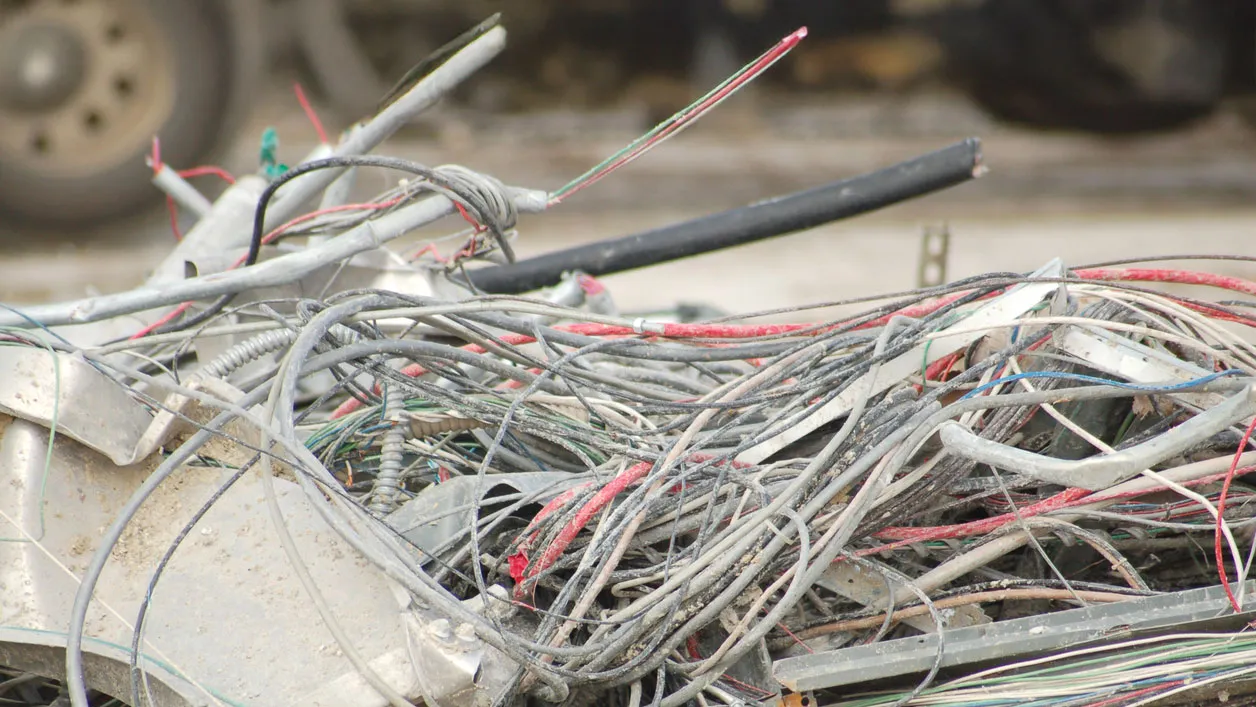
A wave of attacks on America’s communications infrastructure is escalating — threatening the networks that keep communities connected and support public safety. Data from NCTA shows a sharp rise in theft and vandalism targeting broadband and wireless networks, disrupting service for millions of Americans and exposing vulnerabilities across essential facilities nationwide.
Between June 2024 and June 2025, there were 15,540 reported incidents involving communications infrastructure, affecting service for more than 9.5 million customers. The trend is accelerating: 9,770 incidents were reported in the first half of 2025 alone, nearly double the number from the prior six months.
These attacks have impacted 911 dispatch centers, hospitals, schools, military bases, and federal buildings, underscoring the central role communications networks play in daily operations and emergency response.
A nationwide pattern
Recent reporting from across the country shows these attacks are part of a broader and persistent national trend with real consequences for communities, first responders, and local economies. As The Wall Street Journal recently reported, rising copper prices are helping fuel this surge in infrastructure theft, driving disruptions far beyond individual local incidents.
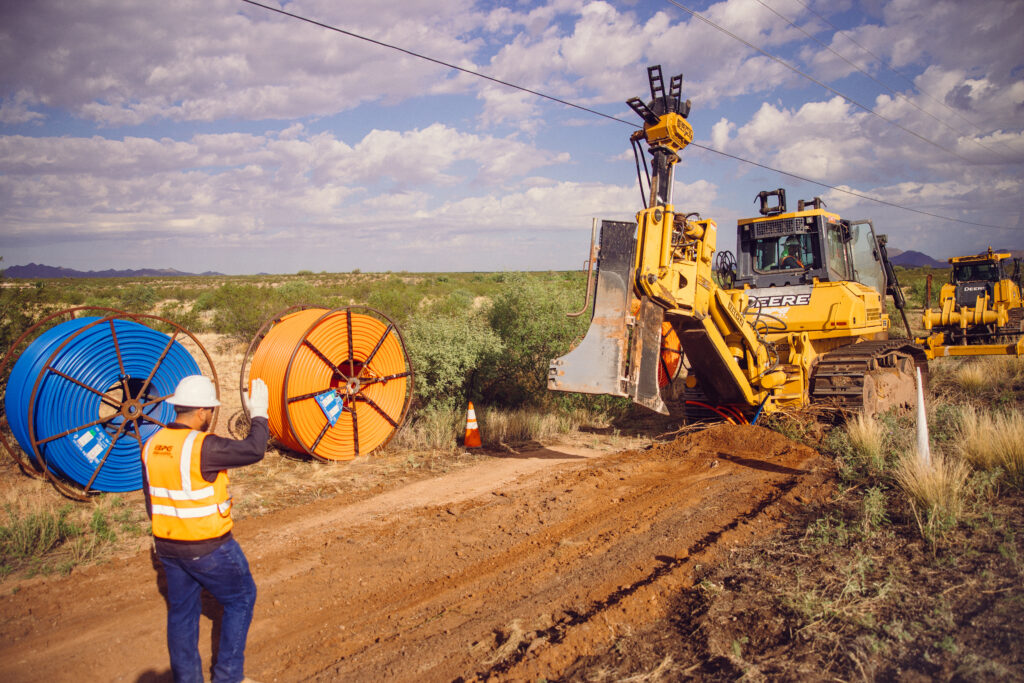
- Pierce County, WA — Thieves used heavy equipment to steal approximately $55,000 worth of copper wire and fiber cables from a utility site, damaging communications infrastructure and delaying service restoration.
- Houston, TX — Police reported dozens of copper wire theft cases targeting infrastructure, prompting Crime Stoppers alerts as officials warned these crimes disrupt essential services and strain public safety resources.
- Virginia Beach, VA — Copper theft caused widespread outages and resulted in more than $1 million in damage to communications infrastructure, highlighting the high cost of repeated attacks.
- Los Angeles, CA — Investigators found copper theft disabled landline communications at fire stations, directly affecting first responders’ ability to communicate during emergencies.
- Tucson, AZ — Vandalism targeting underground cables knocked out streetlights across the city, creating hazardous conditions and forcing crews to make repeated repairs as thefts continued.
- Kansas City, MO — Authorities charged individuals accused of cutting underground cables tied to emergency services communications, part of a broader pattern of thefts that has previously disrupted public safety operations in the region.
- Kent, WA — Vandals repeatedly cut communications cables, triggering widespread internet outages and disrupting emergency services, including 911 connectivity, for thousands of residents.
- Sacramento, CA — Copper wire theft disrupted Sacramento Regional Transit’s Gold Line service, forcing bus bridges between stations and underscoring how infrastructure vandalism can interrupt daily travel and strain public transit resources.
Beyond service disruptions, the economic impact is substantial. New analysis estimates that between June and December 2024 alone, outages caused by theft and vandalism imposed $38 million to $188 million in societal costs, far exceeding the value of the stolen materials. While large states absorbed the biggest losses, smaller states often faced disproportionate impacts relative to network size and population.
Industry action
Communications providers, trade associations, and policymakers are working to address this growing threat through stronger protections, improved enforcement, and coordinated response.
At the federal level, H.R. 2784, the Stopping the Theft and Destruction of Broadband Act of 2025, would establish clearer penalties for attacks on communications infrastructure and strengthen tools available to law enforcement — a step industry leaders have identified as critical to deterring repeat offenses. The push for federal action was also highlighted in a recent FOX Business segment featuring NCTA President & CEO Cory Gardner, who warned these attacks are escalating nationwide and called for “real consequences” for criminals.
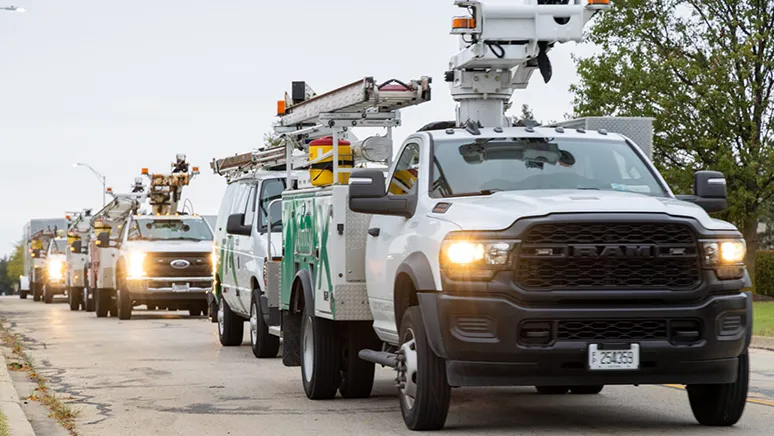
In parallel, the industry continues to invest in security measures and collaboration. The STRIKE (Strategic Threat Response & Infrastructure Knowledge Exchange) initiative — co-led by SCTE, a subsidiary of CableLabs, and NCTA — brings together providers and policymakers to improve intelligence sharing, align advocacy, and support coordinated strategies to protect critical communications networks.