
What’s Really In A Gigabyte?
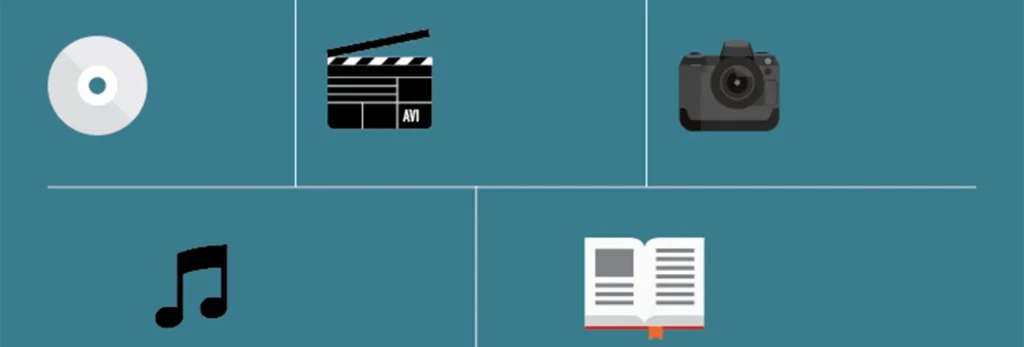
A typical subscriber in North America downloads over 57GB of data each month, but what does that much information look like? Network usage is proliferating exponentially, driven in large part by video streaming, according to the latest Sandvine Global Internet Phenomena Report. The typical subscriber in North America consumes an average of around 57GB of data each month, which represents a 13GB increase from the 44.5 GB just one year ago. It’s also important to note that a large percentage of users greatly exceed the Sandvine published average, using in the hundreds of gigabits per month. The
Providers Declare, "It's All About the Customer"

CNBC’s Juila Boorstin had the unique opportunity this morning to sit on the General Session stage and get direct, unfiltered feedback from five cable provider CEOs. Cablevision’s James Dolan, Cox’s Pat Esser, Liberty Global’s Michael Fries, Time Warner Cable’s Rob Marcus and Charter’s Tom Rutledge all took a seat and fielded questions on how television consumption is changing, the role of regulation, and the ever-evolving broadband marketplace. Top of mind for both the audience and the panelists was FCC Chairman Wheeler’s comments delivered just moments before they took the stage. “Baffling”
Comcast CEO Brian Roberts Previews Slick New X1 Features [VIDEO]
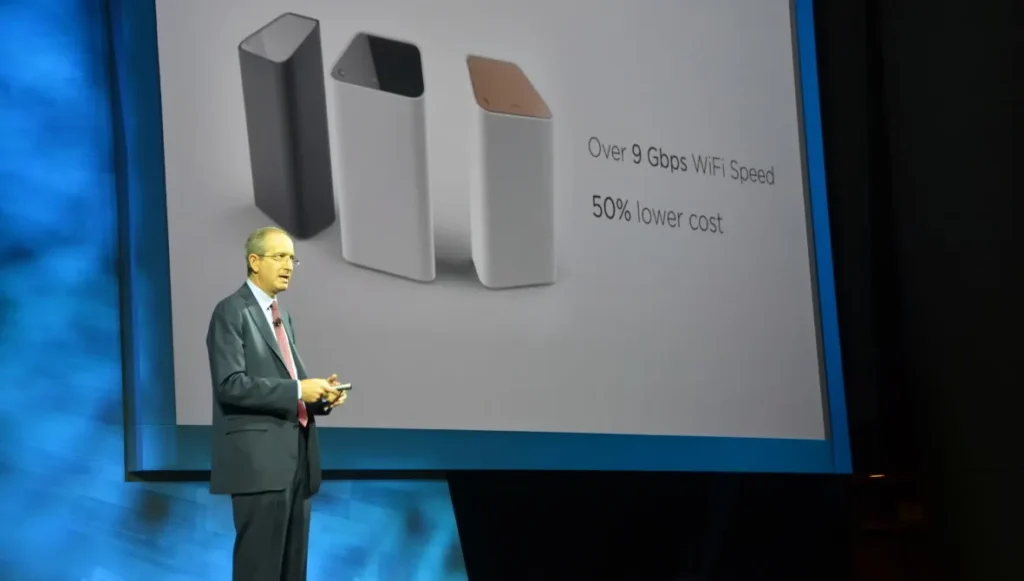
Comcast’s Chairman and CEO Brian Roberts unveiled a slew of new experiences and services for its XFINITY X1 Platform at the INTX General Session this morning. Roberts demonstrated the brand new voice controlled remote, showing the audience how you can find programming simply by speaking to your TV. You can search for fun facts or other things you would typically look up on another device while watching a show and get results instantaneously right on the screen as you watch. There’s also new features that easily segment out content suitable for children and another that sets a playlist based on
Gigasphere: The Technology Behind Gigabit Broadband
Recently we announced “Gigasphere,” the new consumer-facing name representing DOCSIS 3.1 technology. DOCSIS 3.1 is the technology specifications developed by CableLabs that enables broadband speeds up to 10 gigabits per second, reduces network delays due to congestion, and improves cable modem energy efficiency. For something so impressive, it certainly deserves a better name than DOCSIS 3.1 – hence Gigasphere. Now we’re pleased to take the cover off of a brand new microsite featuring the story behind (and revealing the future of) super speeds through Gigasphere technology. “The same cable
Online Video Rides Mobile Tidal Wave
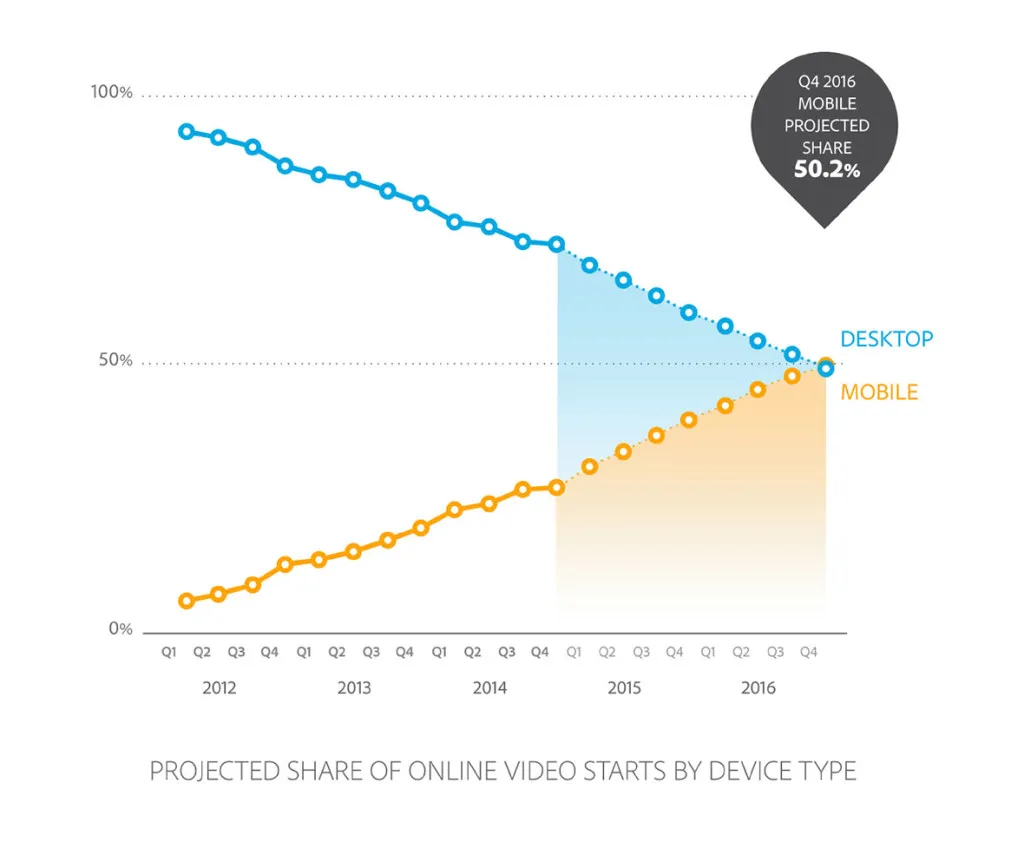
TV Everywhere has expanded the video experience to any screen, at any time, and anywhere. And mobile online video viewing in particular is leading the way. Adobe’s recently released U.S. Digital Video 2014 Inaugural Report captures this fascinating online video trend. When it comes to authenticated video, which includes online apps and websites that require a cable subscription login, almost one-third of all authentications occurred on an iPad. By year-end 2014, TV Everywhere consumers logged 21 billion authenticated videos, an enormous increase of 266 percent over 2013 totals. From the above
Comcast Ups Cable’s Gigabit Parade

Cable’s plan to deliver gigabit broadband speeds to residential customers has been in the formative stages for years as improved technology is making wide-scale deployment more possible. But even before the next generation software platform known as Gigasphere is market ready, several cable operators are pushing ahead with significant gigabit offerings. Last year Brighthouse announced it would be bringing gigabit broadband to homes in Tampa, Florida. Then Cox starting offering residential gigabit service in Phoenix and Southern California. Now Comcastannounced that it will be bringing not just
Behind The Numbers: Growth in the Internet of Things
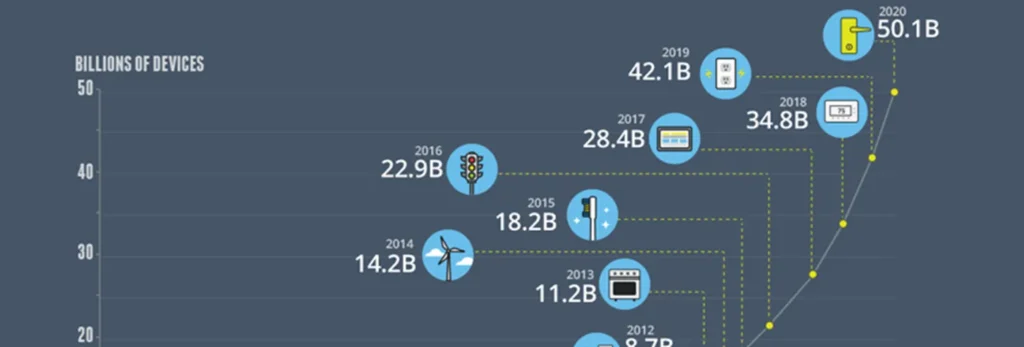
The Internet isn’t merely developing, it’s exploding, and the numbers prove it. Take a look at our graphic below — it shows the advancing surge of connected devices using the Internet. And today, there are more connected devices than there are human beings on the planet. This expansion isn’t just from cell phones, tablets and computers – it’s thanks to toothbrushes, stovetops and millions of other devices that now have IP addresses. Estimates show that there will be over 50 billion connected devices by 2020! Fast, ubiquitous Wi-Fi and increasing home broadband speeds will drive the Internet of
Announcing INTX 24-Hour Hackathon in Chicago!

INTX is introducing a brand new event taking place at the show in Chicago this year: INTXHACK. It’s a 24-hour developer challenge that kicks off the Saturday before the show. Technologist, developers, and designers from across the media and entertainment industries will come together to compete in an epic battle to create innovative applications. INTXHACK, produced in partnership with Comcast/NBCUniversal, Gracenote, Tribune Media and 1871, will take place inside 1871, Chicago’s entrepreneurial hub for digital start-ups. Finalists chosen after the 24-hour challenge will advance to the INTXHACK
How Do Internet Speed Tests Work?

Internet speeds are exponentially increasing year after year – the Internet we surf today is orders of magnitude faster than it was in 2011. In fact, cable is now delivering up to a gigabit per second in some regions. Even with fast Internet, at some point you might want to check up on your delivered speed and see where your own Internet connection clocks in on the speed spectrum. But if you were to check on one website and then again on another, you might see some discrepancy. That was certainly our experience. We tested our office connection using speedtest.net and got the following results
Behind the Numbers: 156,786,482

An IP (Internet Protocol) address is a unique string of numbers labeling each web-connected device with name and location information. Every single digital device – printers, web-connected TVs, and anything else that connects to the Internet – gets an IP address. So it’s fair to say that the country with the most number of unique IP addresses is also one of the most digitally connected countries. We’re pleased to say the United States tops the world for the most unique IP addresses. This is no accident. The US has one of the most widely accessible, robust broadband networks on earth. Not only