
Happy Back to the Future Day! We May Not Have Hoverboards, But We've Got Really Fast Internet

It’s Back to the Future Day! In Back to the Future Part II, our hero Marty McFly transports to the future – specifically to October 21st, 2015 – to save his children and stop his nemesis Biff Tannen from permanently disrupting the space-time continuum. This after he saved his parents and thus himself in Back to the Future Part I by going back in time to 1955 and basically inventing rock and roll. Shudder to think what would happen if Marty McFly had never been born or even worse, if Biff Tannen were allowed to profit off of an out-of-time sports almanac. Like all science fiction, part of the
Infographic: Broadband Speeds from Singapore to New Jersey
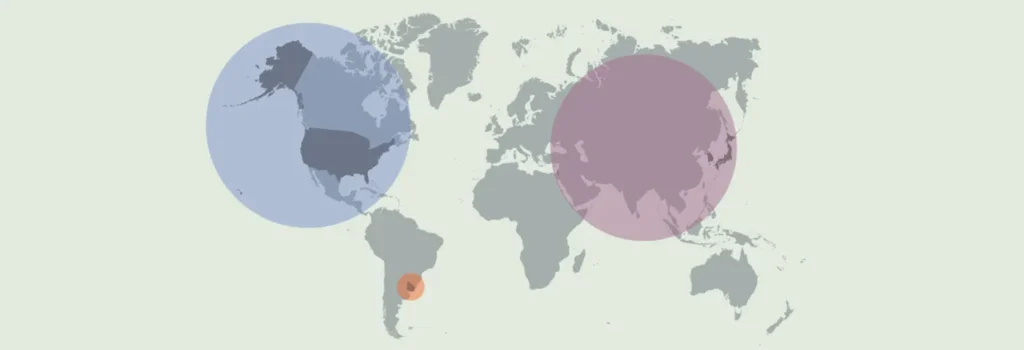
According to the latest data from Akamai, the U.S. is home to seven of the top fifteen fastest regions in the world. This blog also appeared in CTAM SmartBrief
Taking Home Automation To a Whole New Level

Once upon a time, that thermostat on the wall was only for adjusting the temperature. The blinds had to be drawn with a pull-chord. Those lights had to be turned on with a switch on the wall. And that security camera recorded to videotape. But today, these objects could be running through a home automation system, often controlled through a smart phone and enabled by your Internet service provider. But these are just a few examples of how the Internet of Things and Wi-Fi enabled devices are changing our lifestyles. In fact, 37 billion smart products are expected on the market by 2020. A
Latest Data Reveals Fastest Broadband Regions Worldwide
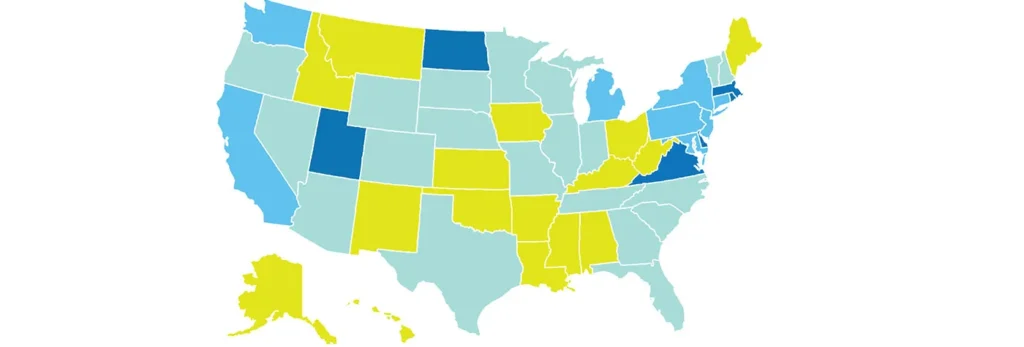
Though the details have shifted slightly, the headline remains the same: the United States is home to ten of the top twenty fastest Internet regions in the world. According to the latest Akamai State of the Internet report, Washington, D.C. tops the list with the fastest Internet in America with an average peak connection speed of 72.7 Mbps. The next fastest is next-door-neighbor Maryland with 66.5 Mbps. This should come as little surprise as these regions are most like the small, densely packed urban regions also reflected in the top twenty like Singapore and Japan. Akamai’s State of the
The Internet of Things Isn't a Buzzword
Today, technology that was once unimaginable is not only real, but it fits into our pockets. Devices like smartphones, tablets, and smart watches have made our ability to connect to the Internet and to each other incredibly easy. This is in large part due to growth in broadband networks and the near-ubiquity of Wi-Fi, but it's also an effect of the affordability and accessibility of ever smaller, ever smarter objects and sensors. This means we're heading towards a world where broadband connectivity isn't restricted to our computers and watches. It's free to be in our shoes, our coffee pots
Broadband Investment is Making the Internet Infinite

Today’s House Energy and Commerce Committee hearing on “Promoting Broadband Infrastructure Investment” is set to shed light on the incredible investment Internet providers have made in building our nationwide broadband network. Cable has put in over $230 billion into infrastructure since 1996 and it’s not just on maintenance and upkeep. That figure reflects the incredible advances we’ve made over the last twenty years in speed, access, and innovation. Take a look at the video below and see how cable is working hard and investing big into making the Internet infinite.
Infographic: Broadband Speeds from Singapore to California
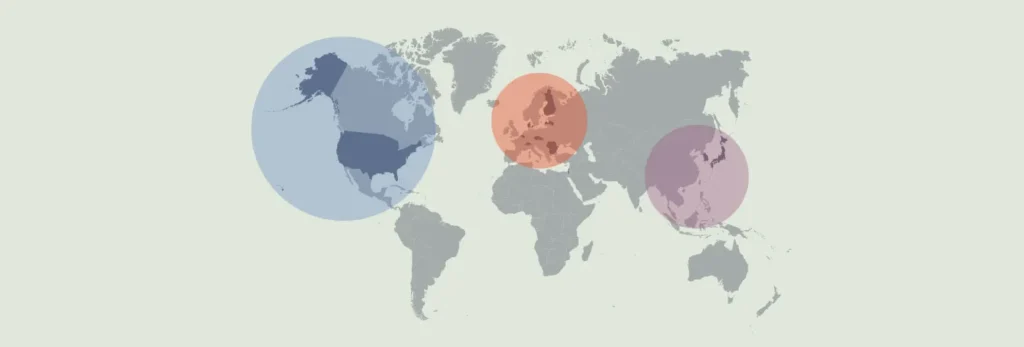
According to data from Akamai, the U.S. is home to ten of the top twenty fastest regions in the world.
Behind the Numbers: Where American Broadband Stands
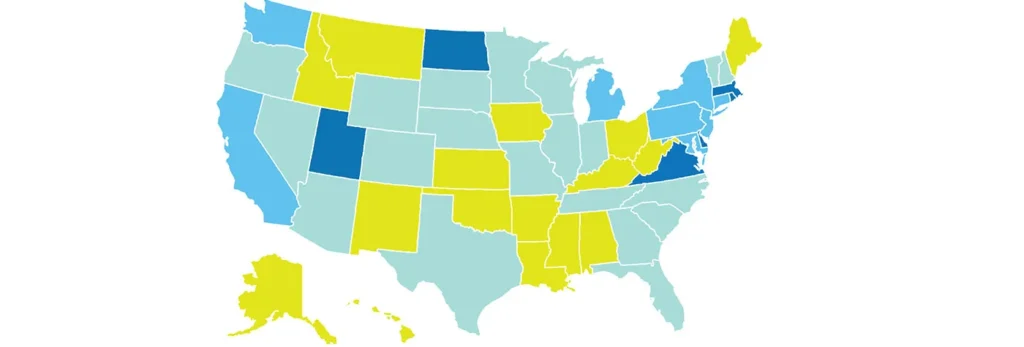
This week Akamai released their latest State of the Internet report with updated broadband speeds from across the world. The report revealed that three of the top five fastest regions worldwide are US states. Peak broadband speeds in the US increased 31 percent year-over-year to 53.3 Mbps. We highlight average peak connection speeds because Akamai contends it’s a better, more accurate measure of the Internet’s capacity than average connection speed. The map below shows where to find the country’s top Internet speeds: And the chart below proves just how competitive American broadband is on a
Cox's Mark Greatrex Talks Gigabit Internet at NCTA [VIDEO]

Earlier this month, NCTA and CTAM, the Cable & Telecommunications Association for Marketing, hosted a discussion with Mark Greatrex, Chief Marketing & Sales Officer at Cox Communications and Chairman of the Board at CTAM. He shared with us new research on how their customers engage with cable and broadband and how Cox is building stronger customer service relationships. He also discussed how Cox’s gigabit broadband service, G1gablast, is changing how customers are using the Internet. Are you noticing that millennials and older customers need different things from the customer relationship? Yes
Behind the Numbers: A Little Bit of Math

Technology plus time equals more technology. It’s a pretty simple equation and it’s held true throughout history. Even still, when we take a step back and look at how much progress broadband technology has made made, it’s hard not to be awe-struck. A little less than twenty years ago, the fastest Internet in most homes was via a 56.6 Kbps modem. That’s about enough speed to download a one-megabyte file in six minutes. But things are different now. The majority of broadband Internet customers have access to over 100 Mbpsand several communities are starting to get gigabit broadband. Gigabit