
Boom or Bust: Getting Broadband Infrastructure Programs Right

By Michael Powell NCTA President & CEO Congress is going big on broadband. It has appropriated more than $20 billion to spend on broadband in just the last several months. That is a huge amount compared to past efforts, equating to almost 25% of the annual revenues of the entire fixed broadband industry. And, in the wings is an infrastructure bill that could deliver another whopping $100 billion in spending. These efforts are certainly welcome. The pandemic has amplified the importance of broadband infrastructure and accelerated the urgency of getting all Americans connected. Broadband have
Charter Brings 'Big Internet' to Virginia's Eastern Shore
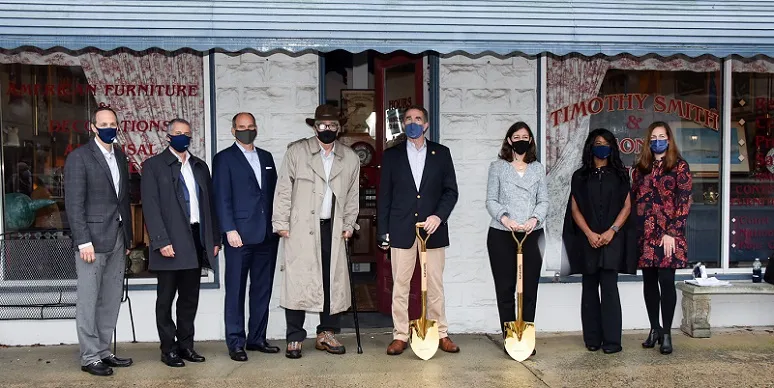
There was a time when Timothy Smith, the owner of an antique appraisal, restoration and woodworking shop in Onancock, Virginia, struggled in his day-to-day work because of a slow and unreliable internet connection. Not only was it a challenge for Smith to hear customers on the other end of the phone, but he also found himself waiting far too long for internet images to load. Smith's business–Timothy Smith & Sons–specializes in woodworking and antique restoration services for prestigious institutions, historical societies, government agencies, and private clients in the Mid-Atlantic region
Charter's Investment in Rural Ohio Brings Residents Up to Speed
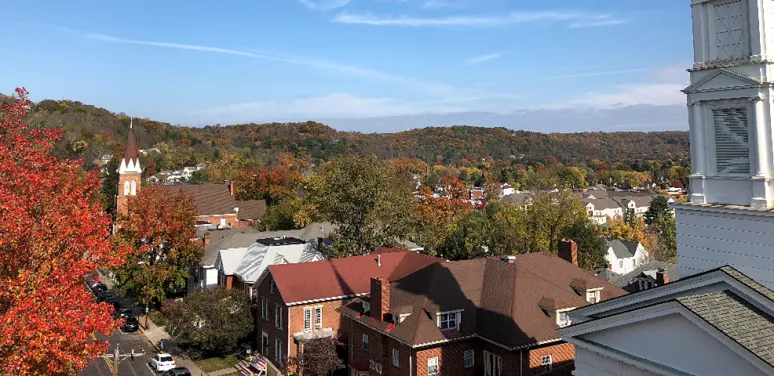
Late last year, the citizens of Athens County, Ohio, which is situated in beautiful Appalachian country, received some exciting news. The county would soon be receiving access to internet speeds that rival those in Los Angeles and New York City households. For a rural area that sees many tourists come through, and where many of its residents travel from small towns to work in the city of Athens, this was a pretty big deal. By the end of 2019, Charter deployed its advanced Spectrum Internet services to over 2,400 homes and businesses in the area using its own private capital funds. Over the
Alaska’s GCI Will Extend Fiber Service to Remote Aleutian Islands

Over the past few months, we’ve seen firsthand the power that broadband networks have in delivering services usually only available in person. From telemedicine to remote work to distance learning, 2020 has shone a spotlight on the critical role broadband plays in modern life. That’s why it’s more important than ever for America’s broadband leaders to continue working to close the digital divide. An example of getting broadband to the most remote areas is a new project from Alaskan broadband provider GCI to bring terrestrial fiber broadband to the remote Aleutian Islands in southwest Alaska
The Cost of Replacing Old Wooden Poles is Slowing Down Broadband Deployment in Unserved Areas
Reliable fast internet is in high demand like never before. The robust networks powered by America's cable internet service providers continue to support millions of Americans through the COVID-19 pandemic as they turn to distance learning and remote work during this unprecedented time. But even as NCTA member companies reach millions more unserved Americans and invest billions in broadband network expansion and improvement each year, too many remain unconnected. Connectivity in these largely rural areas could be expedited by addressing obstacles that increase both the costs and time required
Rural ISP Helps Keep Communities Thriving in Northwestern Minnesota

As states continue to reopen and the COVID-19 environment becomes a part of the norm for the foreseeable future, strong internet connectivity has proven to be critical for businesses, schools, and health services to continue. Nowhere does that ring truer than in some of the country's most rural areas. Dick Sjoberg, the president of Sjoberg's, whose family started the internet, TV, and phone business in the 1940s, shared that business has remained stable for many companies across the ISP's footprint in northwestern Minnesota, thanks to reliable broadband access. Given that some of the towns
A Common Sense Fix to Speed Broadband Deployment to Unserved Communities
The benefits of having a reliable high-speed broadband connection have never been as apparent as they are now during the COVID-19 pandemic. With millions of Americans spending more time at home as we try to limit the spread of the virus, broadband is enabling us to continue our daily lives—from doing our jobs, studying at home, connecting with a doctor, streaming our favorite shows, to staying in touch with friends and family. Over the past two decades, broadband providers have invested nearly $2 trillion in network infrastructure to bring Americans some of the fastest and most widely deployed
GCI Tackles COVID-19 Challenges to Keep Rural Alaska Connected
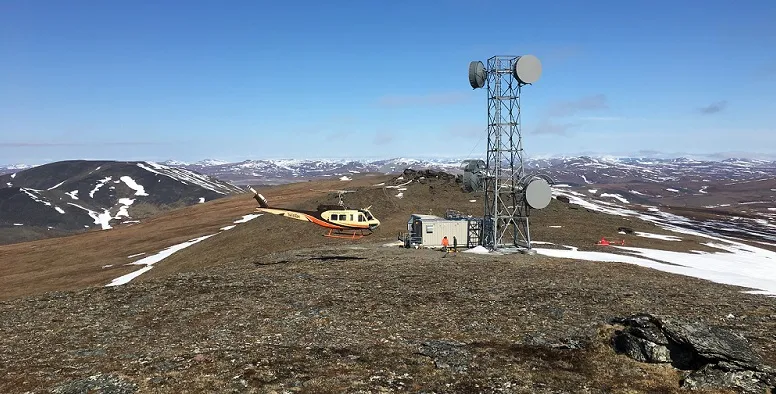
NCTA enters its 11th week of tracking network performance nationwide during the COVID-19 pandemic, and broadband networks continue to provide the vital connections that millions of Americans need to learn and work from home. From large cities to rural villages, in many cases fast and robust internet has allowed for businesses to proceed remotely and for distance learning to take place. But in some areas of the country, just keeping the internet running is a huge undertaking under normal circumstances. Tack on a global health crisis, and the obstacles to establishing and maintaining
The Fast-Paced Life of a GCI Technician During COVID-19
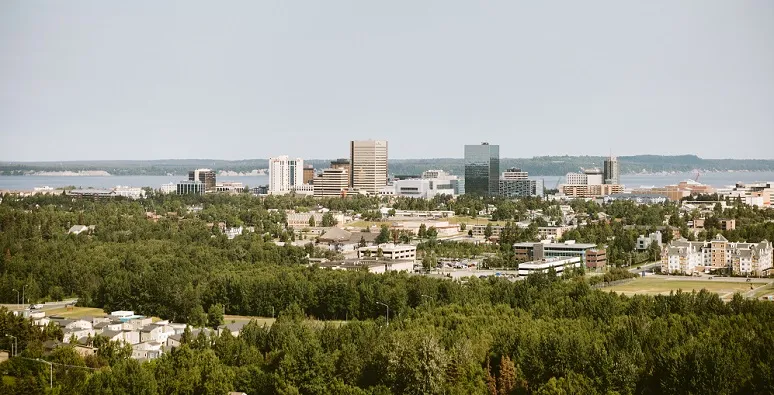
NCTA continues to report weekly on network performance throughout the pandemic as a large portion of people across the country are still working from home and students close out their school years online. Broadband networks remain strong and steady, but it is cable's frontline technicians who are out in the field partaking in all kinds of ventures to make sure that households and businesses are experiencing the speeds and capacity they need. This week, we'd like to shine a spotlight on another unsung hero out in Anchorage, Alaska, who is doing all of that while also giving those Alaskans
New NCTA Member Mega Broadband Focuses on Rural and Smaller Communities

Last month, NCTA welcomed its newest member, Mega Broadband, which provides high-speed internet, video, and voice services to communities and rural areas throughout the U.S. We spoke with CEO Phil Spencer about the company’s commitment to connecting rural America and making sure no one is left behind in the digital age. What unique challenges does a cable operator working in smaller and more rural markets face versus one in more dense and urban markets? Our philosophy is that we're going to bring equivalent broadband speeds and quality to rural parts of the United States. We're not going to