
Getting Broadband Mapping Right
With the FCC this week expected to reform its broadband data collection regime, it seems like a good opportunity to assess the potential impact of these changes. From NCTA's perspective, there are four key points. First, the data collection changes proposed by the FCC represent a significant victory for consumers, meaningfully improving the accuracy of broadband maps and enabling a more efficient targeting of resources to areas that lack broadband access. Specifically, all stakeholders will benefit from the FCC's new rule requiring fixed broadband providers to submit electronic coverage maps
How Super-Fast Internet Revitalized Small Businesses in a Small Town
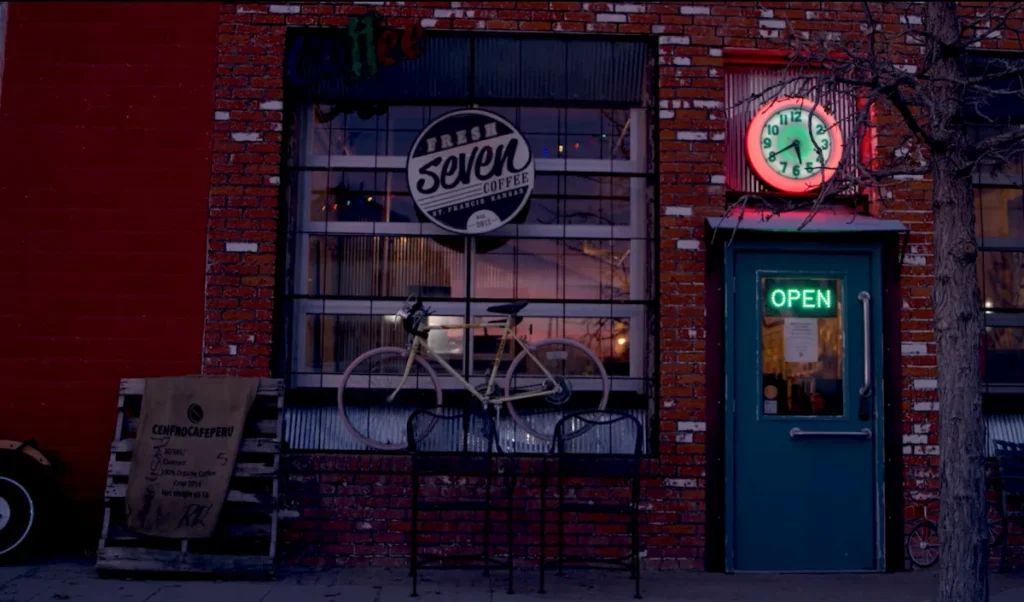
Over time, many Americans have moved to large urban centers to follow jobs, often in the technology sector, leaving smaller towns behind. For a place like St. Francis in northwestern Kansas, that meant the population was actually shrinking. On top of that, internet service was slow and unreliable. “We had a lot of problems just maintaining a stream of music in here which would cut out and just disappear,” said Kale Dankenbring, who had moved back to St. Francis with his wife to open a coffee shop. His wife, Heidi Plumb added, “Before when people would come in to try to do their work, they’d
Excessive Pole Rates are Stifling Rural Broadband Investment and Deployment
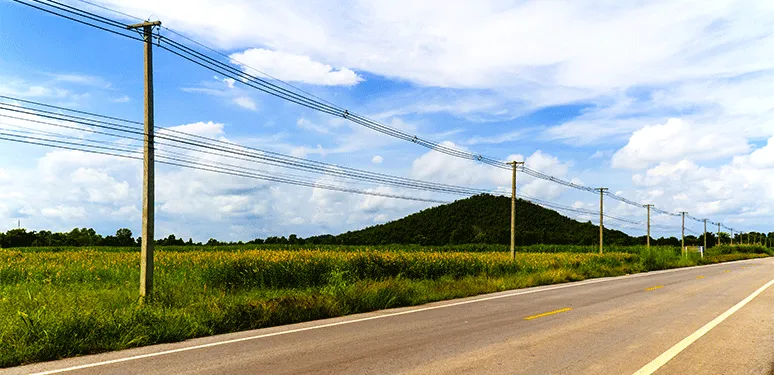
The majority of consumers today enjoy high-speed broadband in their homes, and America's cable operators have invested more than $290 billion over the past two decades to reach nearly every community. But deploying wireline broadband networks, especially to rural and remote areas, is a massive undertaking of cost, time, and effort. One box along the way that internet service providers must check before extending the network is the need to rent space on utility poles that provide electric or telephone service. Sparsely populated rural areas often contain more poles that ISPs need to rent
GCI Turns Alaska into the 'First Frontier' with 5G Service

Alaska has some of the most remote regions in the United States, with formidable weather and vast terrain that make bringing connectivity to parts of the state a challenge and huge undertaking. However, through GCI's deployment of high-speed internet to these areas, the Alaskan provider has allowed businesses, entrepreneurs, schools, and hospitals to thrive, boosting the quality of life for many residents there. In 2011, GCI built the TERRA network over 3,300 miles of land, bringing terrestrial broadband to 84 communities. Then in 2016, GCI brought gigabit service to Anchorage, and from there
How Eagle Unleashed New Opportunities in Rural America

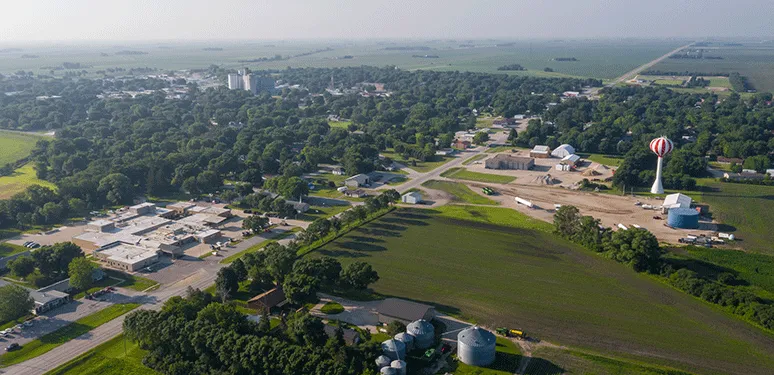
In a small northwestern Kansas town that sits in the middle of miles and miles of farmland, 1,300 people go about their day with access to some of the country's fastest internet speeds. Businesses, schools, the hospital, and local municipalities thrive as access to gigabit internet has completely revitalized the economy and way of life for the people of St. Francis, Kansas. Eagle Communications, a rural provider in Kansas, Missouri, Nebraska, and Colorado, teamed up with the town to launch their network after government and business leaders in St. Francis sought out the provider for help in
Six Ways Broadband Leaders are Transforming Rural America
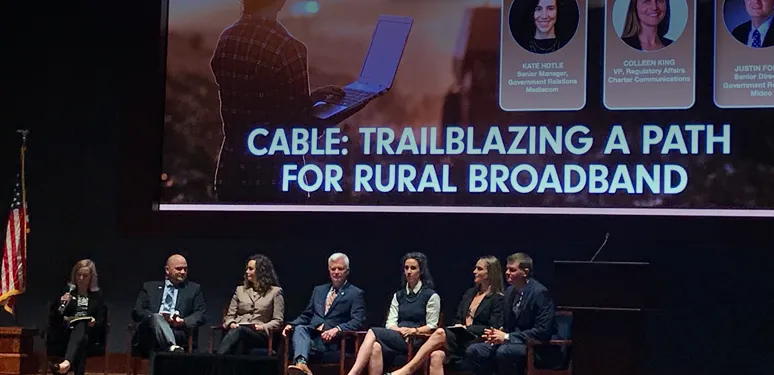
Earlier this week, NCTA, in partnership with the Rural Broadband Caucus, hosted a panel discussion in Washington, DC, where member companies shared programs and initiatives they are implementing to expand high-speed broadband networks, including gigabit service, to underserved areas. "If we're going to make any progress in revitalizing rural America, then broadband is just bottomline essential. It is not a red state/blue state deal," said Rep. Peter Welch (D-VT), co-chair of the caucus, in his opening remarks. "It's about making that decision we made in the 1930s when we electrified America
What Cable Operators Are Doing to Close the Digital Divide in Rural America

On Tuesday, NCTA in cooperation with the Rural Broadband Caucus will gather policymakers and stakeholders to discuss the successful strategies and projects that cable operators are using to close the digital divide in rural America. There isn't a more critical time to hold this conversation than the present. While most American households can access a broadband connection, six percent of all Americans and 26 percent in rural America remain unconnected to high internet speeds (25 Mbps or more) and are missing out on the promises and benefits the internet offers. Extending robust broadband
From The Real World to Rural Broadband, Congressman Sean Duffy Shares His Insights
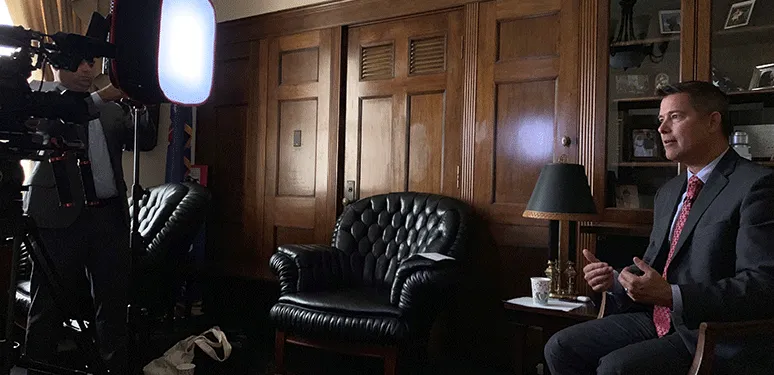
NCTA recently had the opportunity to interview Rep. Sean Duffy (R-WI), who gained fame long before his Congressional days when he started out on MTV's The Real World Boston in 1997. Duffy's career experience is unique in that not only did he get to be a part of reality TV when it was still in its infancy, but he also gleaned important lessons that he says still help him in his current role as the representative for the central and northern Wisconsin region. His stint with MTV also led him to star in a Road Rules: All Stars special, where he met his wife, Rachel Campos-Duffy, and with whom he
Connecting the Last 10 Percent of Americans

It’s easy to take for granted all of the possibilities that an internet connection provides. The majority of people rely on the internet to live their everyday lives, and it’s hard to imagine life without it. According to a recent Pew study, about 90 percent of Americans use the internet. That might not come as a shock, considering about a quarter of Americans (26 percent) say they’re online “almost constantly.” However, that still leaves 10 percent of Americans who don’t use the internet. So what’s keeping them from going online? First, it’s worth noting that the same Pew study in 2013 found
Mediacom Ignites Innovation in Missouri
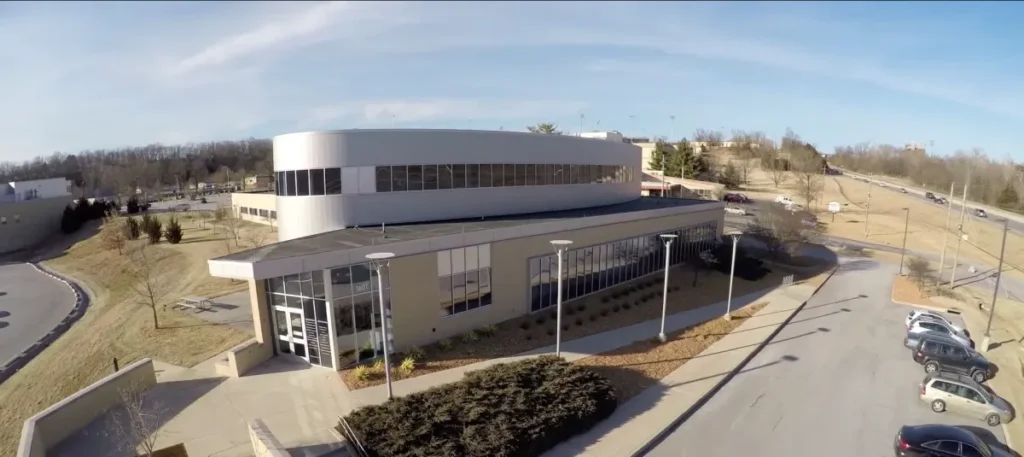
In Columbia, Missouri, business is stirring and innovation is found in just as many places as Silicon Valley. Many of these startups are taking off from the Missouri Innovation Center—a nonprofit located within the University of Missouri campus that supports business ventures—and these innovators are doing everything from finding cures for cancers to producing satellite imagery for corn fertilization purposes. What's important to note is that these companies are fueled by a strong and robust network delivered by Mediacom—which serves 22 states primarily in the Midwestern and Southeastern