
The Road to Connecting All Americans Starts With Prioritizing the Unserved
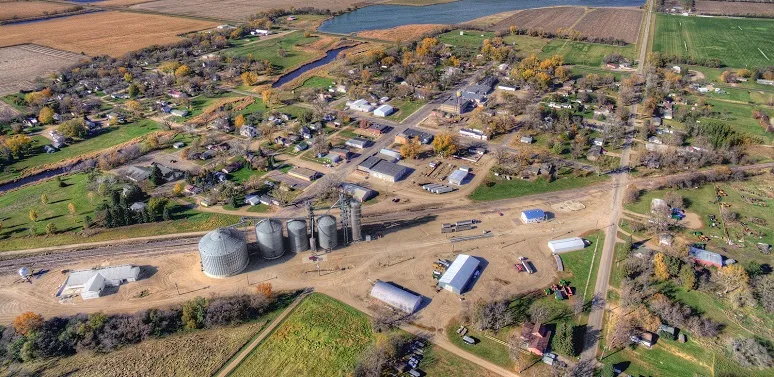
With last year's federal infrastructure package highlighting the critical necessity to build out broadband networks to unserved communities, the focus now turns to ensuring that the funds from the Bipartisan Infrastructure Bill (BIL) are disbursed to those areas that are truly in need of fast, reliable and affordable broadband service. As the National Telecommunications and Information Administration (NTIA) oversees the implementation of the BIL, NCTA has submitted comments about how NTIA can best adopt rules that prioritize funding for projects that will connect unserved and underserved areas
How Cable ISPs Are Expanding Broadband Access in Rural Virginia, Part 2

Cox's Public-Private Partnerships Help to Close the Digital Divide in Underserved Virginia As millions of Americans have experienced during the COVID pandemic, broadband has become an indispensable service for participating in everyday activities. The recently enacted infrastructure bill validated this assertion with the inclusion of $65 billion to expand broadband access. But cable internet service providers have for decades invested their own capital into building out networks to connect more homes with broadband service. Yet there are still communities where a broadband network hasn't
How Cable ISPs Are Expanding Broadband Access in Rural Virginia, Part 1

Comcast Secures Rural Buildouts Through Different Approaches Last year's $1.2 trillion federal infrastructure package accentuated the national priority of building broadband networks to reach unserved communities. Cable internet service providers (ISPs) understand better than anyone how challenging it can be to connect people who live in these hard-to-reach areas. In fact, cable ISPs invest billions of their own dollars to make that happen every year. But federal programs and state grants dedicated to funding broadband deployment are especially critical to accomplishing the goal of reaching
GCI Brings Modern Connectivity to Unalaska and Aleutian Islands

Since 2017, GCI—Alaska's largest internet service provider—has been planning and preparing to execute an 860-mile subsea fiber system to six remote communities in Alaska, including Unalaska and the Aleutian Islands. This past fall, the ISP took a big step forward when it broke ground with trenching conduit in Unalaska after finalizing the project design and planning phase and obtaining the necessary environmental permitting. With the GCI Alaska United (AU) Aleutians Fiber Project, GCI aims to help close the digital divide for rural Alaskans. "Our mission is to bring modern connectivity to the
New FCC Data Highlights America’s Broadband Progress

New data from the FCC shows that broadband networks in America continue to reach more households in every corner of the country, continue to offer faster speeds to more consumers and continue to provide more choice of providers across multiple speed tiers. Released in late October, the FCC’s December 2020 “Form 477” data demonstrates broadband progress in both urban and rural areas, even at speeds of a gigabit per second or more, as the cable industry has deployed its DOCSIS 3.1 network technology and as fiber has been deployed more widely, both of which dramatically increase the speed and
Broadband Stats: Rural Infrastructure

These days more Americans are working and learning remotely than ever before, a trend accelerated by the pandemic. That trend is not limited to professionals in large urban centers. Thanks to years of investment and hard work, rural and far-out communities are connected to the high-speed networks that facilitate virtual work, school, and entertainment. Despite the harsh conditions, Alaska’s Aleutian Islands in the Bering sea are currently being connected by 800 miles of undersea fiber cable. The project will bring gigabit speeds to remote arctic communities as well as the country’s largest
Broadband Data: Infrastructure
As Congress moves forward on the bipartisan infrastructure package, America’s broadband leaders are continuing their work to extend superfast networks to all Americans, from large urban communities to far-out mountain towns. And while federal funding will be important to help close gaps and jumpstart projects in traditionally difficult-to-serve regions, these areas are just a small percentage of the country. That’s because cable (and other) internet service providers have been investing in and upgrading networks in urban and rural communities for decades. In fact, cable internet providers
How Rural Broadband Can Help Agriculture Into the Future

The COVID-19 pandemic drove many to rely on America’s broadband networks like never before. Despite being a sudden shift, the story is a successful one. While European networks had to work with video streamers to reduce the file quality in order to facilitate the sudden shift in network usage, American broadband networks never experienced those issues. In fact, they adapted to changes in consumer behavior as cable internet service providers continually added capacity. For sure, one thing the last year and a half highlighted is how important a broadband connection has become in our daily lives
NCTA President & CEO Michael Powell Talks Infrastructure and More on C-SPAN
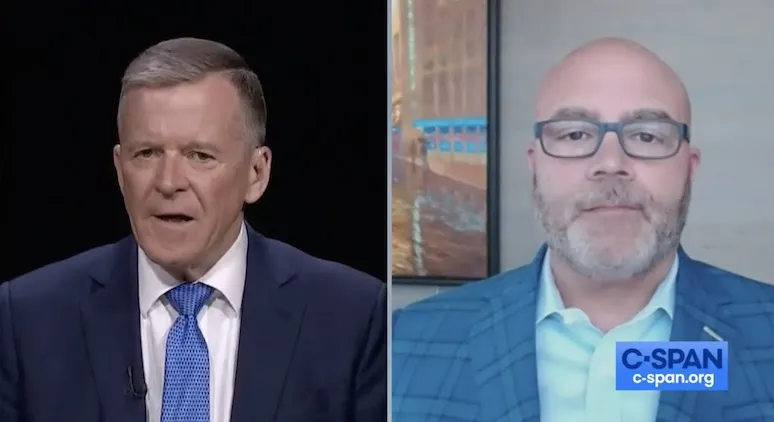
NCTA President and CEO Michael Powell is the featured guest this week on C-SPAN’s The Communicators, where much of the discussion focused on the Biden administration’s infrastructure plan, specifically its broadband provisions. While the full 30-minute interview is available here, we used C-SPAN’s video clipping tool to develop several soundbites on the key issues that were covered. Those topics include: Importance of targeted funding, How to future proof new networks, The success of direct consumer subsidies, and Warning against rate regulation. Powell also talked about other topics ranging
How the Biden Broadband Plan Can Accomplish Connectivity for All
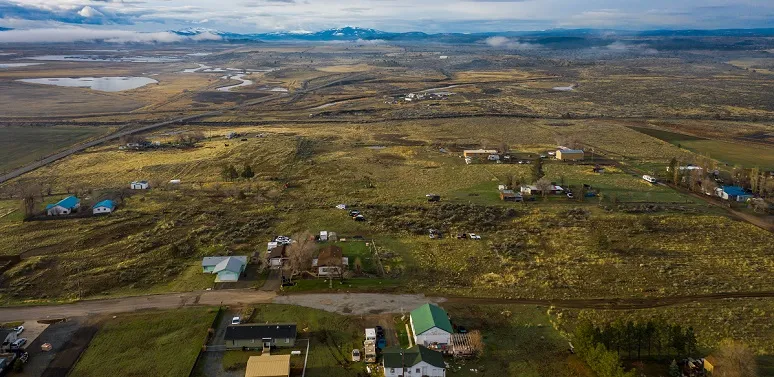
By Michael Powell NCTA President & CEO Now that we have had a few days to reflect on the President's infrastructure plan, we want to be clear about how we view it. We share the end goal of the Biden broadband proposal: ensuring that 100% of Americans have access to robust broadband networks. However, such a monumental plan must be properly targeted to achieve our principal national objectives—getting broadband networks built in areas where they don't exist, and modernizing a safety net to help low-income families adopt and afford internet service. Here is what we strongly support. 1. Dedicate