
How Virginia is a Rural Broadband Success Story

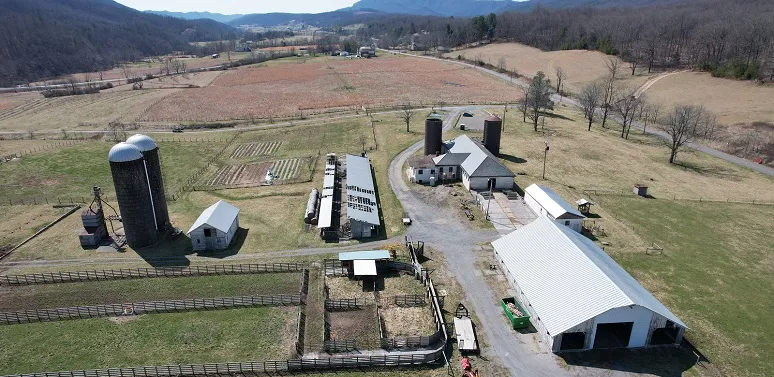
Nationwide, cable internet service providers (ISPs) have long invested billions of their own dollars to continually expand their networks to the country's most rural areas to reach communities that lack broadband connectivity. But in remote regions where miles of land between homes and businesses can make it cost prohibitive to rely on private capital alone, ISPs have forged a myriad of public-private partnerships that utilize federal, state, and local funding for broadband buildouts. The state of Virginia is one leading example that portrays these kinds of collaborative efforts and
Charter Brings High-Speed Broadband to Virginia's Unserved
In the near future, and with the presumption that the country's largest investment ever in broadband deployment ($42.5 billion) will be targeted to those areas most in need of internet service, cable internet service providers (ISPs) will get the chance to finish the job that they started—which is to give every American access to a high-speed broadband connection. But even while disbursement is still underway, ISPs continue to pursue various avenues in order to make buildouts possible in hard-to-reach areas where communities remain unserved and broadband deployment proves costly. Through
ISPs Offer Innovative Ways to Connect Rural America
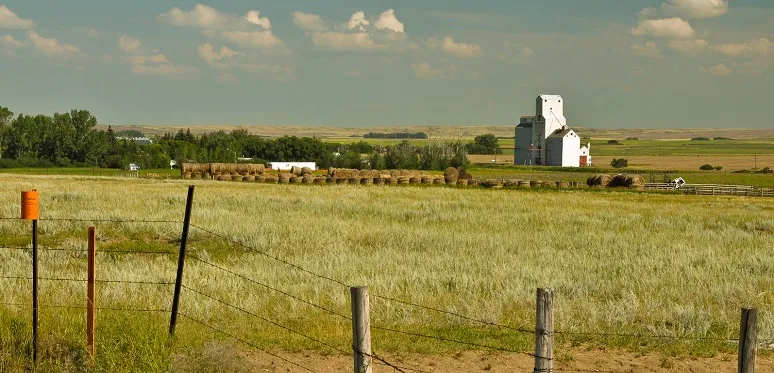
The historic opportunity to connect all Americans to robust internet service is a mission that cable broadband providers have embraced. In fact, for the past few decades, cable ISPs have invested billions of dollars in expanding and upgrading broadband networks throughout their footprints across the country, from large cities to small towns. With over 1.7 million miles of fiber-optic and coaxial cable nationwide, cable broadband networks already connect the vast majority of the United States with critical broadband infrastructure. These networks are constantly being monitored and upgraded as
How GCI Built a Connected Alaska

In 1979, an Alaskan technology entrepreneur, Ron Duncan, started GCI in an apartment located in the small neighborhood of Bootleggers Cove in Anchorage, Alaska, with only three employees including himself. Fresh out of business school, Duncan wanted to bring competition to the long-distance market. Fast forward more than 40 years, and GCI has expanded its services significantly. Now Alaska's largest internet service provider with over 1,800 employees with Duncan still at the helm, GCI has deployed more than 10,000 miles of long haul, middle mile, and last mile infrastructure in hundreds of
VIDEO: Connecting Every Corner of America

Expanding broadband access to ensure no American is left behind.
Smartly Reforming USF While Building Broadband to All

Over the next few years, federal and state governments will pour once-in-a-generation funding totaling over $140 billion into making robust broadband services available to every American. Chief among these efforts will be NTIA’s Broadband Equity, Access, and Deployment (BEAD) program, representing the country’s largest investment ever in broadband deployment – $42.5 billion. This massive amount of government support will, in turn, unleash additional billions in new private investment to help finish the job of constructing robust networks in places of greatest need. This is a historic
Broadband Stats: Building on Industry Success to Get All Americans Connected
With the federal government distributing an unprecedented amount of funding for internet infrastructure and adoption, the United States has a historic opportunity to accomplish universal broadband connectivity. Cable internet service providers have been committed to this goal for years, whether by developing innovative solutions that connect remote communities to next generation networks or offering low-cost services. Now is the time to build on the success of America’s broadband industry to get all Americans connected, regardless of where they live.
Michael Powell Speaks at The Media Institute
Earlier this week, NCTA President & CEO Michael Powell participated in a virtual Q&A at The Media Institute on the state of the cable industry, the future of gigabit networks, net neutrality, rural broadband, and more. Check out some of the highlights below: When the COVID-19 pandemic hit, an unprecedented number of people quickly transitioned their work, school and personal lives to be entirely online. Thanks to the decades of investment and thoughtful network planning, America’s broadband networks were a success story. With the influx of federal infrastructure dollars, the U.S. has an
Why Utility Pole Owners Are Fighting for the Status Quo
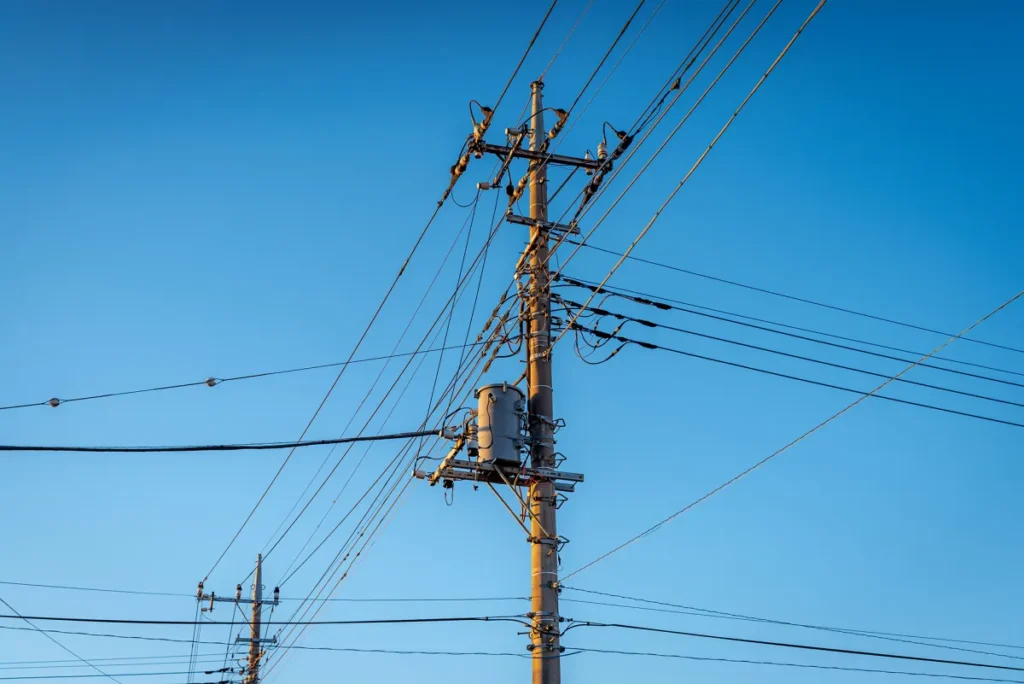
By now, everyone recognizes that fair access to utility poles is essential to fulfilling our goal of reaching all Americans with robust broadband. Indeed, without a means of securing reasonable and timely access to utility poles, most network construction — particularly in sparsely populated areas with few people and many poles — faces long odds. Thankfully, policymakers tasked with expanding broadband access are turning more attention to these concerns so that those stepping up to build broadband – including many cable ISPs – in unserved areas are not frustrated in their efforts by
Speed Access to Poles to Get 100% of the Country Connected Faster

In last year's bipartisan infrastructure legislation, Congress committed unprecedented levels of funding to position the country to achieve the historic goal of connecting 100% of Americans with access to robust broadband. But accomplishing this "once-in-a-lifetime" opportunity will require more than money; it is critical that policymakers at the federal and state levels take bold action to remove barriers that can slow – or even stop – broadband deployment in rural America. One of the most significant obstacles is ensuring that all providers have swift and fair access to utility poles. Why is