
VIDEO: 5 Questions About Broadband with Ben Dold, COO of Midco

Insights on the infrastructure, investment, and impact behind broadband expansion.
5Qs With Midco's Ben Dold
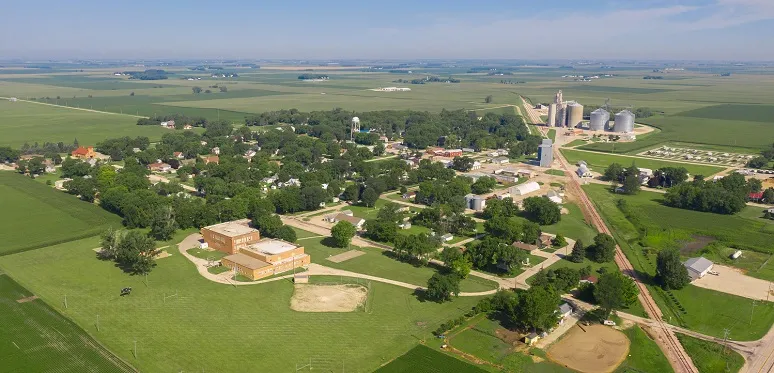
Over the past 20 years, cable broadband providers have invested over $300 billion into building fast and reliable networks that reach nearly every corner of America. Sioux Falls, S.D.-based Midco is one of the ISPs that has made its mark by wiring much of the Midwest, empowering the hundreds of communities it serves. With a footprint that spans 490,000 homes and businesses across Kansas, Minnesota, Nebraska, North Dakota, South Dakota and Wisconsin, Midco is focused on connecting small towns and rural hubs, giving these communities access to broadband and the opportunities it delivers. NCTA
GCI Gives Esports a Boost in Alaska

GCI is set to host the largest online esports tournament in Alaskan history, and it starts tomorrow. The GCI Northern Lights Invitational will take place over the next three weekends, and every match will be played over GCI's servers. The invitational is a $20,000 Counter-Strike: Global Offensive (CS:GO) tournament, one of the most popular games among esports enthusiasts. Esports has been a fast-growing phenomenon over the past decade, and in Alaska, GCI has been a trailblazer for championing esports in the state. The ISP has provided a boost for Alaskan collegiate esports athletes through its
NCTA's Michael Powell on America's Broadband Mission
"It's going to get pretty chaotic." Those comments from NCTA President & CEO Michael Powell aptly captured the tone of this week's Senate subcommittee hearing about the challenge (and historic opportunity) of connecting every American to robust broadband service. In addition to testifying in the Senate hearing, Powell shared his insights with NCTA's State Leadership Conference on the cable industry's role in building out robust and resilient networks, what the federal government is getting right with the latest broadband funding plans, and what will be required to tackle the challenges that
NCTA's Broadband Stories Year in Review

As 2022 is coming to a close, it’s worth taking a look back at the tremendous efforts by America’s cable broadband leaders to reach and connect the people most in need of a high-speed broadband connection. Check out these handful of stories from the past year which represent a small sampling of the many initiatives that cable providers are engaged in across the country. Rural Broadband Expansion Across rural America, cable internet service providers (ISPs) are continually building out broadband networks to connect more unserved Americans. These projects include a combination of private capital
VIDEO: Midco Brings Internet and More to The Midwest
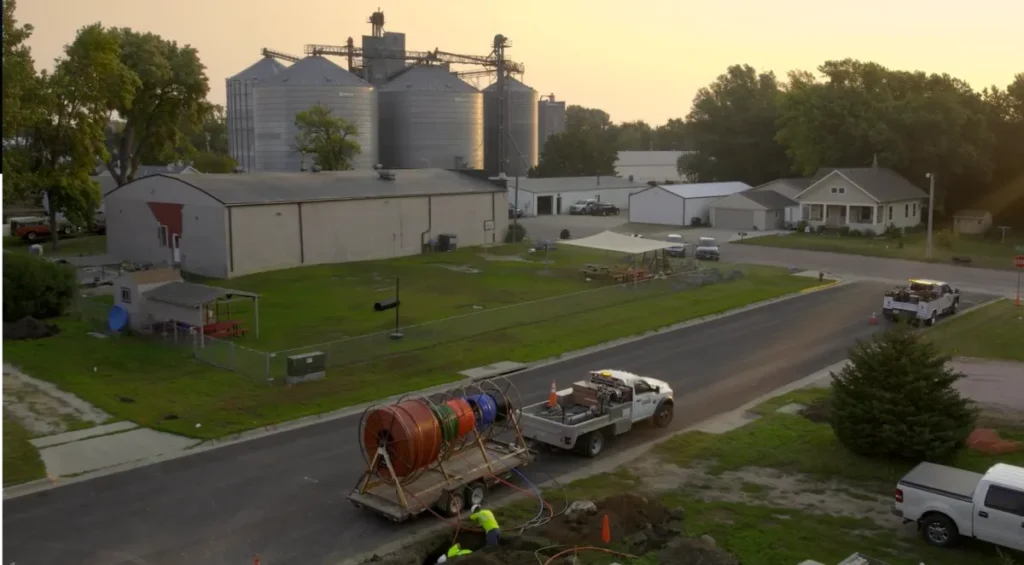
The internet powers the economy, inspires imaginations and provides an essential connection to family and friends. Ensuring every American can access this opportunity is a national imperative. While some communities in rural America have yet to be connected, Midwest communications company Midco has been delivering robust broadband service to hundreds of communities for decades. With a 490,000 homes and businesses footprint that spans Kansas, Minnesota, Nebraska, North Dakota, South Dakota and Wisconsin, Midco is focused on powering small towns and rural hubs. There’s more: Besides building
VIDEO: Midco Connects South Dakota
Connecting South Dakota’s rural communities with fast, reliable internet.
New FCC Map: Progress on the Journey to Broadband for All
The Federal Communications Commission (FCC) tomorrow will release for public consumption the first draft of a new U.S. broadband map, an important milestone on the path to connecting all Americans to robust broadband service. Why It Matters: When fully completed in the spring, the map will identify broadband gaps and uncork billions of dollars of federal grants from the 2021 infrastructure bill to fund projects to close the digital divide. A Note of Caution: The first map will contain inaccuracies. Mapping is a complex undertaking and this necessarily will be an iterative and complicated
The Right Way to Bring Broadband to Rural Communities

Across rural America, from the most remote areas of Alaska to the grain silos of Minnesota, cable internet service providers (ISPs) continually build out their broadband networks to connect as many unserved Americans as possible. Why it matters: In today's world, a high-speed broadband connection is a must-have for everything from education, business, healthcare, entertainment, job searching, to communicating with loved ones. Simply put, broadband is today’s opportunity infrastructure. Go deeper: Virginia is one example where multiple experienced ISPs are working to ensure that hard-to-reach
A Rural South Carolina Children's Camp Is Transformed by Charter's Broadband Service

For the past two summers, Camp Cole, which is located outside of Columbia, South Carolina alongside a horse farm and pond, has helped children with serious illnesses and physical, mental, and emotional challenges thrive and reach their potential. The camp resides in the rural setting of Eastover which instills an appreciation for nature and provides a quality outdoor learning experience for the children year-round. But the dedicated staff and teachers, the campers, the state-of-the-art facilities, and advanced medical technologies all rely on the high-speed broadband service, provided by