
Behind Lifetime's Mission to 'Stop Violence Against Women'

At this week's Television Critics Association press tour, conducted virtually this year, Lifetime brought together a panel on the network's upcoming two-night documentary, Surviving Jeffrey Epstein, which premieres this coming Sunday. Panelists included the filmmakers and real-life sexual assault survivors of the late financier's crimes. These women spoke to the challenges of sharing their trauma for television, as well as the empowerment that came with having worked on the film. The documentary is a follow-up to the Peabody Award-winning Surviving R. Kelly, which brought to the forefront the
Supporting Education During COVID-19

The COVID-19 pandemic has changed just about every aspect of our daily lives and the upcoming school year is no exception as many schools will remain closed throughout the fall. The school closures mean that millions of students will remain at home and begin round two of online learning which first kicked off last spring as the pandemic set in. As teachers and school administrators have been preparing throughout the summer for the continuation of virtual education, America's cable broadband providers have also worked hard to ensure that their networks are meeting the increased surge in online
National Geographic Showrunners Share How They Film in a COVID World
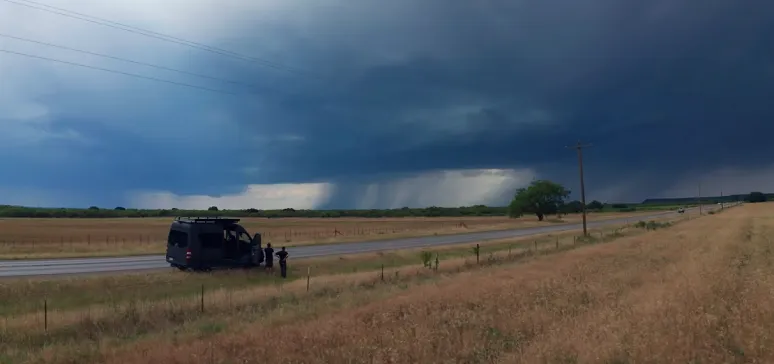
This past March, along with countless other businesses and industries, numerous TV and film productions were forced to shut down when it became clear that COVID-19 was becoming a widespread health threat. National Geographic alone had to shut down nearly 77 productions in countries all over the world. Yesterday, at CTAM's portion of the Television Critics Association press tour, held virtually this year, National Geographic Senior Vice President of Communications Chris Albert explained that it's been equally as challenging for the network to get production back up and running. But audiences
Parenting With Screens During COVID-19

Since the start of the pandemic, kids have spent more hours at home than they ever have before. And as schools struggle with the decision of whether or not to reopen this fall, it is very likely that many children will continue to distance learn and spend most of their days at home for the foreseeable future. In many ways, the internet has acted as a source of comfort for kids (and adults) during this time as they use it to not just complete school work, but to also connect with teachers and peers on a personal level, stream entertaining shows, or play interactive games. But what are the
Virtual Reality, Virtual Sets, Real Entertainment

While 2020 has forced many industries to quickly adapt to new ways of working, TV and film have always sought creative solutions to create amazing programming. These challenges, more recently, have been made easier with new technologies that require high-capacity broadband connections. How would different parts of a TV or film crew, be it the set design department or post-production team or visual effects team, learn to work together, remotely? That conundrum was at the center of a panel discussion at this year’s Comic-Con, which was held remotely this year due to COVID-19. “The main thing I
What Will the Future of Entertainment Look Like?

The COVID-19 pandemic has no doubt accelerated the speed at which most people are adopting next generation technologies and applications. Broadband has also proven to be the enabler of these technologies, as networks continue to run at full capacity and power the amazing virtual interactions that Americans are engaging in as they spend more hours at home. And with 10G around the corner—the cable industry's commitment to bringing ultra-fast speeds to U.S. households—these technologies and experiences will get that much closer to becoming staples in American life. During a virtual panel at the
How ISPs Used AI and Machine Learning to Manage the COVID-19 Internet Traffic Surge

Internet traffic during the pandemic continues to plateau since it experienced its largest surge in March and April, when more people were working from home than ever before and students turned to distance learning to finish off their school year. Now, with more people returning to work sites each month and students out of school for the summer, traffic has stabilized. However, there is no telling what the future holds as the pandemic continues on and as schools wrestle with reopening decisions for the fall. But no matter what happens, America's cable internet service providers are ready to
Cartoon Network's 'Stop Bullying: Speak Up' Campaign Hits 10-Year Milestone
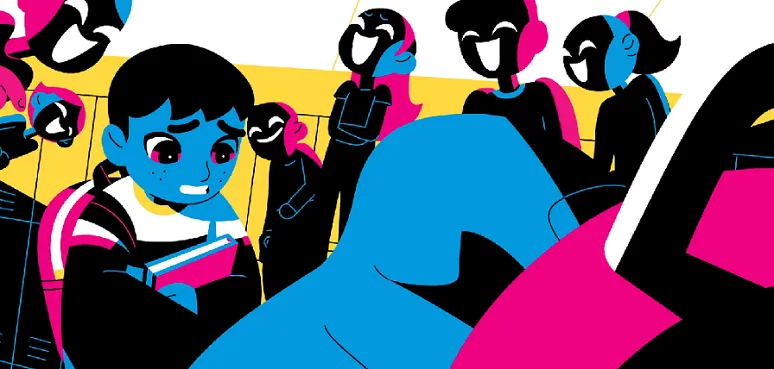
This month, Cartoon Network celebrates the 10th anniversary of its Stop Bullying: Speak Up campaign. That's a decade of the network using its large influence, leverage, and reach to promote kindness and empathy to millions of kids across the country. When the campaign first launched in 2010, Cartoon Network's goal was to raise national awareness about the prevalence of bullying in America's schools. Since then, the campaign has evolved to meet the needs of the kids of the current generation, using creative storytelling, digital tools, and Cartoon Network's TV air space to capture their
The Cost of Replacing Old Wooden Poles is Slowing Down Broadband Deployment in Unserved Areas

Reliable fast internet is in high demand like never before. The robust networks powered by America's cable internet service providers continue to support millions of Americans through the COVID-19 pandemic as they turn to distance learning and remote work during this unprecedented time. But even as NCTA member companies reach millions more unserved Americans and invest billions in broadband network expansion and improvement each year, too many remain unconnected. Connectivity in these largely rural areas could be expedited by addressing obstacles that increase both the costs and time required
Pandemic or Not, 10G is Coming

When the COVID-19 pandemic first forced Americans into their homes beginning in March, millions of people turned to the internet to try to continue any sort of semblance of their lives. America's cable broadband providers were responsible for keeping their networks running at full capacity as internet traffic surged and more people than ever before connected online. Fortunately, the investment in upgrading and building out their networks over the past two decades is paying off during America's time of need, and even as we speak, cable ISPs are focused on the future and bringing 10G to U.S