
Cable ISPs and Schools Come Together in New Broadband Connectivity Effort
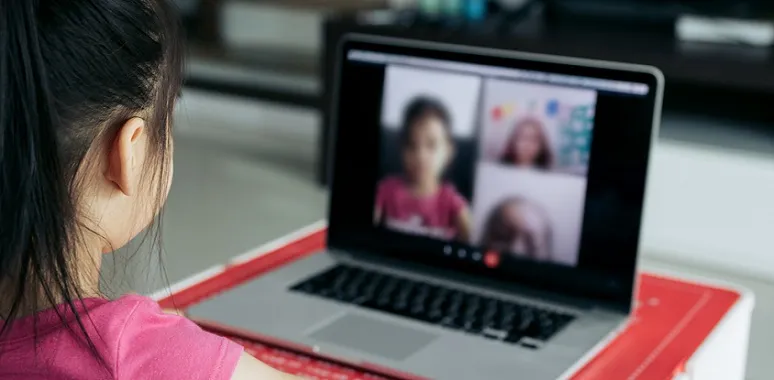
"Back to school" time has looked very different this year as millions of kids started K-12 classes this week virtually instead of in the classroom. With many schools still closed for in-person learning due to the COVID-19 pandemic, America's cable internet service providers have been working in their communities, developing partnerships with school districts across the country that are focused on figuring out which students lack a home broadband connection, and getting service to those kids within reach in order to assist in enabling online instruction. As part of this effort to close this gap
A Career of Public Service at C-SPAN

In the early 80s, after visiting the White House, a group of high school students were touring a new TV network called C-SPAN, where they were attending a live broadcast of a call-in show. When the host (C-SPAN Founder, Brian Lamb) answered the phone on air, he was told to hold for the President of the United States. Sure enough, then President Ronald Reagan was on the other end of the phone, praising the students for their engagement in the civic process after he tuned into C-SPAN from the White House’s private residence and recognized the group from earlier that morning. C-SPAN is more than
Knowing Your Audience Is the Key to ViacomCBS’s Success
These days, TV viewers have more options of shows to watch than ever. So how does a TV network decide what shows to produce? While the decision-making process is complex, networks like ViacomCBS have one powerful tool at hand: audience research. At ViacomCBS, researchers serve as deep strategic partners to brands and businesses. With teams embedded across networks like BET, MTV, or Nickelodeon, ViacomCBS researchers work in constant partnership with programming strategists. Knowing the ins-and-outs of MTV, for example, allows for more precise information gathering, better understanding of
Comcast and Lone Star College Partner to Connect Students to Digital Learning
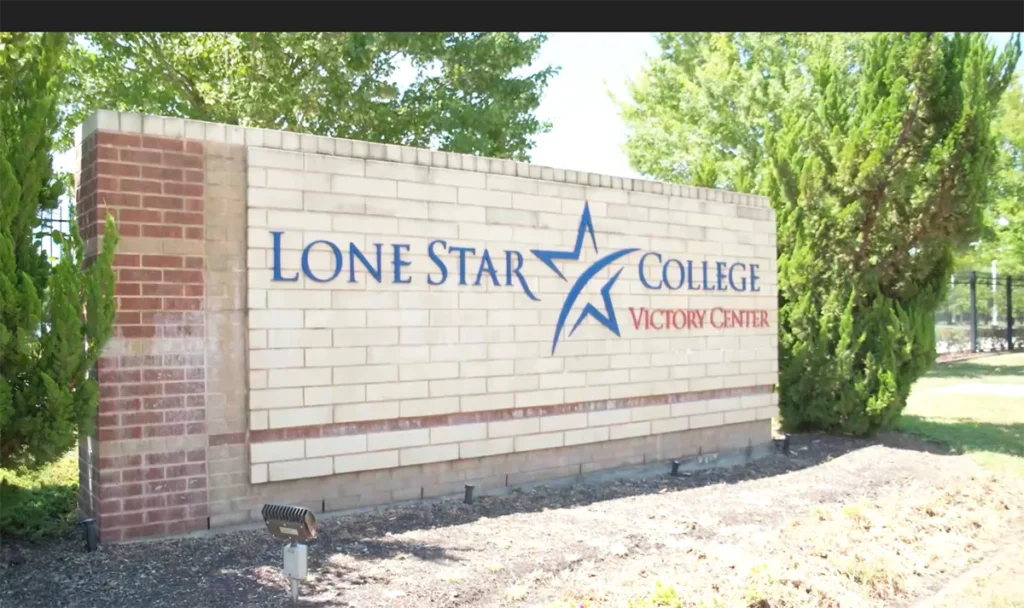
Prior to COVID-19, many colleges and schools were already aware of the digital divide among their student populations. This is why Quentin Wright, President of Lone Star College-Houston North in Texas, always took measures to ensure that classes prioritized face-to-face learning. Not to mention, a technology survey had found that many students in his service area did not have a computer at home or access to a broadband connection. But then came the pandemic. "When March hit, it changed our world tremendously," said Wright. Wright and the college administration had to completely shift direction
Samantha Bee Talks on Filming Challenges and How She's Approaching the Election

With both a pandemic and presidential election happening in the same year, 2020 has been quite the year for political satire and for the media pundits covering America's state of affairs. In a rescheduled virtual panel for the Television Critics Association, comedian and political commentator Samantha Bee, who is the host and executive producer of TBS's Full Frontal with Samantha Bee, discussed how her show's production process has changed since COVID-19 hit. Along with the show's executive producer Alison Camillo, she also shared her thoughts on media coverage of the presidential election
Industry Energy Efficiency Programs Saving Consumers Billions While Earning Global Recognition for Promoting Innovation

Consumer savings as a result of innovative energy efficiency programs implemented by pay-TV and internet service providers are adding up to billions of dollars annually and significantly reduced energy consumption, according to new independent audits released earlier this month. The findings of the audits conducted by D+R International, which reviews each provider's performance data annually, demonstrate that these programs have been extremely successful: Set-Top Boxes – D+R's latest report found that consumers saved nearly $2 billion in electricity costs in 2019, eliminating the need for five
A College Student's Account on Learning Remotely in the Time of COVID

When the pandemic forced schools and universities to close across the country this past spring, many turned to distance learning in order to salvage the remainder of the semester for students. NCTA members worked with school districts and colleges across their footprints to help get as many students as possible connected, and teachers and students alike had to adapt to this new learning experience. And while there is no substitute for the benefits that come from in-person learning in schools, there is no denying that a high-speed broadband connection can open up opportunities for students to
CNN Reporters Share Their Perspectives as Women of Color Covering an Election Year
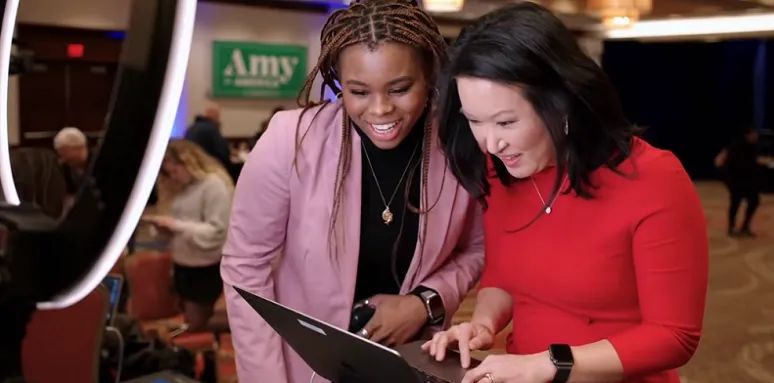
As the Democratic National Convention wrapped up last night, and with the Republican National Convention approaching, general election season is just around the corner. Television plays an especially important role during election seasons, as millions of Americans tune in to stay informed of the news, learn, and get perspective on the country's state of affairs. It's therefore the job of those TV network reporters and journalists to report the facts and to bring a comprehensive and inclusive view of current events. In a CNN film recently released on HBO Max, On the Trail: Inside the 2020
HBO's Lovecraft Country Takes New Approach in Telling America's Story of Racial Injustice
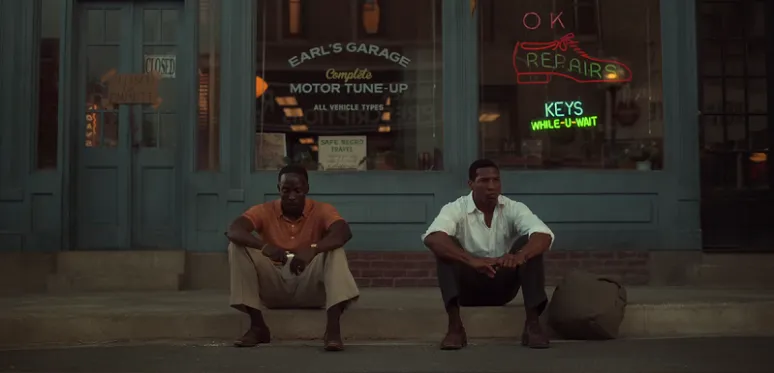
Imagine it's 1950s Jim Crow America. A Black man and Black woman are traveling together in search of his missing father, while simultaneously battling white racists, and big, monstrous creatures that look like they came straight out of a sci-fi film. Today's rap and hip-hop music play in the background. Sounds … different, right? This is the story of HBO's Lovecraft Country, a series which premieres this weekend and will roll the horror, sci-fi, and drama genres into one while exploring the racial injustices of the time period. There are many elements that go into making the show a unique
Tracking Cable's Broadband Performance During the Pandemic

Broadband networks were put to the test like never before when they experienced a surge in internet traffic during state stay-at-home orders this past spring, especially during March and April. But fortunately, cable ISPs are constantly upgrading their networks and staying ahead of consumer demand to provide Americans with a robust and reliable connectivity experience, no matter the time of day or how many people or devices are online. So in order to be as transparent as possible about the ability of ISPs to handle this kind of internet usage surge, NCTA began tracking the performance of