From packed stadiums and college campuses to offices and entertainment venues, wireless networks are supporting more users, devices, and applications than ever before. Consumers now expect seamless connectivity whether they are streaming video during a live event, joining a virtual meeting, accessing cloud applications, or sharing content in real time.
These growing connectivity demands were a key focus during a recent Connect (X) Connected Spaces panel featuring NCTA’s Senior Director of Engineering Abiy Zewde, where industry leaders discussed the role of Wi-Fi 7 in the future of connected spaces.
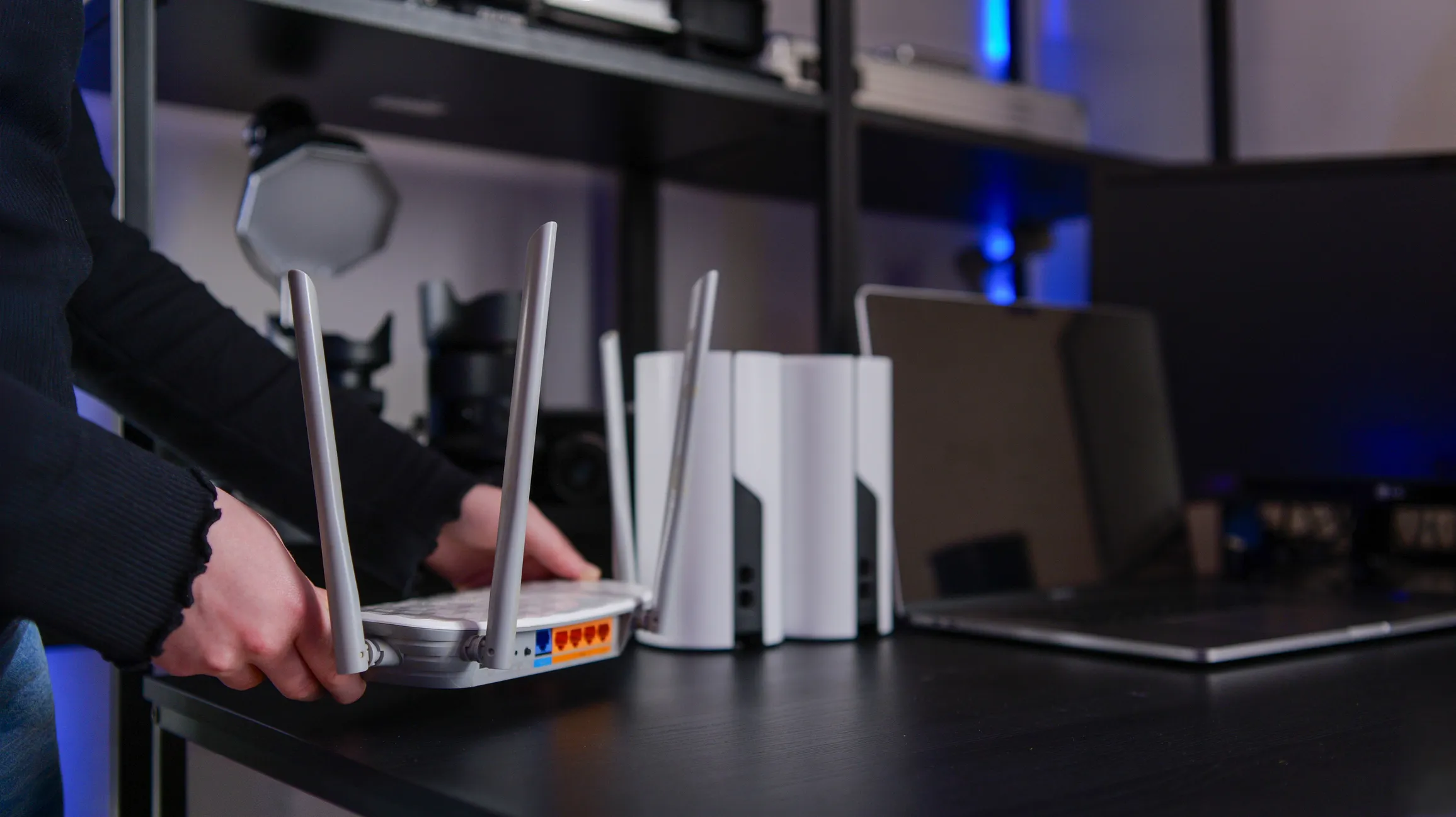
As the latest evolution of Wi-Fi technology, Wi-Fi 7 is designed to deliver higher capacity, lower latency, and more reliable connectivity in increasingly crowded wireless environments like homes, businesses, campuses, and venues.
What Makes Wi-Fi 7 Different?
Wi-Fi technology has continued to evolve to keep pace with growing wireless demand.
Wi-Fi 6 improved network efficiency and performance in crowded environments, while Wi-Fi 6E expanded access to the 6 GHz band and reduced congestion with wider channels.
Wi-Fi 7 builds on those advancements with new capabilities designed for high-capacity environments, including:
- Wider 320 MHz channels that support higher capacity
- Multi-Link Operation (MLO), which allows devices to use multiple bands more efficiently
- 4K QAM modulation, which enables faster speeds for high-bandwidth applications
- Lower latency and improved reliability
Importantly, Wi-Fi 7 is designed to create a more consistent user experience as wireless traffic continues to grow, especially in environments with thousands of connected devices.
Wi-Fi 7 Is Already Moving into Real-World Deployments
Wi-Fi 7 is no longer a future concept. Rapid deployments have been underway across large venues, enterprise environments, and college campuses since early 2024.
- Levi’s Stadium: The stadium deployed Wi-Fi 7 ahead of the most recent Super Bowl in February 2026 and supported tens of thousands of fans with high-quality wireless connectivity. Modern venues rely on wireless networks for everything from mobile ticketing and concessions to streaming, social sharing, and venue operations. Wi-Fi 7’s higher capacity and improved efficiency make it well-suited for these dense environments.
- College campuses: Universities, including Georgetown University, are planning next-generation campus connectivity upgrades with Wi-Fi 7 as demand grows for cloud applications, collaboration tools, connected devices, and hybrid learning environments. Campuses increasingly rely on wireless networks to support high-capacity, always-connected experiences across classrooms, labs, offices, and public spaces.
Wi-Fi 7 also works alongside other wireless technologies, including cellular and private wireless networks, depending on the environment and use case.
Unlocking Wi-Fi 7’s Full Potential
As organizations continue deploying Wi-Fi 7, industry leaders emphasize that realizing the technology’s full value requires more than simply upgrading access points.
Wi-Fi 7’s performance also depends on the broader connectivity ecosystem, including devices, broadband infrastructure, and spectrum availability. To fully benefit from Wi-Fi 7, organizations need:
- Wi-Fi 7-capable devices continuing to enter the market across smartphones, laptops, and connected technologies.
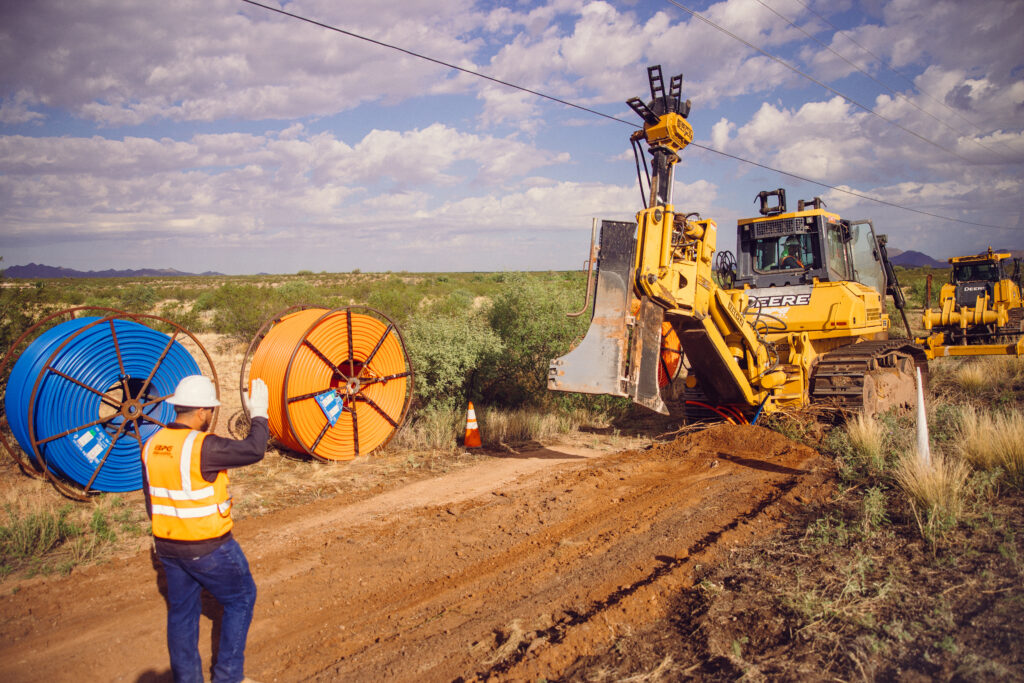
- Broadband infrastructure capable of matching higher wireless capacity, including modern backhaul and network equipment.
- Sufficient unlicensed spectrum availability, particularly in the 6 GHz band.
- Thoughtful network design that supports performance in dense environments.
The Future of Connected Spaces
The demand for wireless connectivity continues to accelerate across homes, businesses, campuses, and public venues. At the same time, connected devices and data-intensive applications are becoming a larger part of everyday life.
Industry forecasts already show rapid adoption of 6 GHz-enabled Wi-Fi devices, and conversations about future Wi-Fi technologies, including Wi-Fi 8, are already underway.
As Wi-Fi technologies continue to evolve, access to sufficient unlicensed spectrum will remain essential to delivering high-capacity wireless connectivity.
Wi-Fi 7 is designed to unlock the full potential of modern connected spaces, but its long-term success depends on strong broadband infrastructure, continued innovation, and policies that support future wireless growth.