
30 Years of Senate Coverage: How C-SPAN 2 Changed History

Three decades ago this week, an important part of how American democracy is covered was forever changed. C-SPAN, known for its long-format and uneditorialized televising of U.S. federal government proceedings, launched the first of its spin-off networks, C-SPAN 2, which provides live coverage of the U.S. Senate, and reaches over 95 million U.S. homes. This might be taken for granted in today’s 24-hour live streaming news cycle, but it was very much a novelty to allow TV cameras onto the Senate floor back in 1986. Floor proceedings of the House of Representatives had started airing in 1979, but
Four Reasons Why the FCC Set-Top Box Proposal Won’t Work

During a time when the worlds of technology, media and television are colliding and undergoing constant change and delivering exciting new services, you would think the government would focus its efforts on areas that truly need fixing. That’s why it is so puzzling that the FCC finds it necessary to propose a complicated and backwards-looking set-top box mandate that has unleashed a torrent of criticism from a significant (and growing) coalition of diverse voices. After all, the entire TV ecosystem is moving away from a hardware-centric world and into one that relies on apps and IP connected
Set-Top Boxes, Apps, and the Future of Entertainment
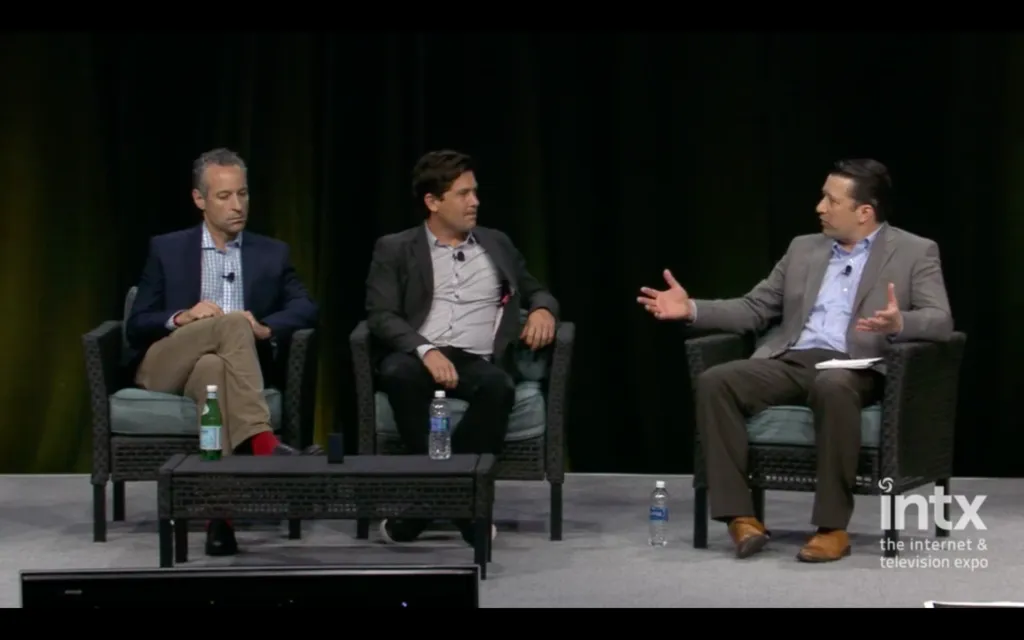
There’s been a lot (and I mean a lot) of talk lately about the set-top box. Through it all, we can see clearly that television delivery is moving in a completely new direction at rocket speed. With the inevitable switch in content distribution as the backdrop, Stephen Goldstein, VP of Business Development & Marketing at Samsung and Andrew Ferrone, VP of Pay TV at Roku stopped by Imagine Park today at INTX to talk about “Entertainment’s Apptastic Future.” Roku has started partnering with cable companies like Time Warner, Charter, and most recently Comcast to use their devices as an alternative
New Digital Media Stars and the Phenomenon Behind Their Success
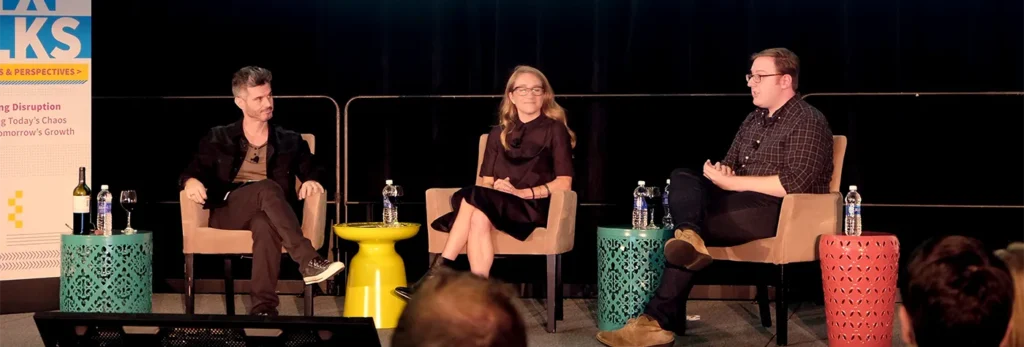
Kids and their videos these days. They’re all over the place, on Instagram, Snapchat, Facebook–those bite-sized pieces of entertainment that go viral and have everyone talking. Roll your eyes all you want at those kids, but the greatest “aha” moment in the Internet and television world is that there’s actually a strategy behind the creation and success of a lot of these digital media stars, said Evan Shapiro, Executive Vice President of NBCUniversal during a late afternoon session at INTX. Shapiro kicked off an hour-long conversation with Whistle Sports Director of New Channel Partnerships
The Future of Live Broadcast News in an On-Demand World
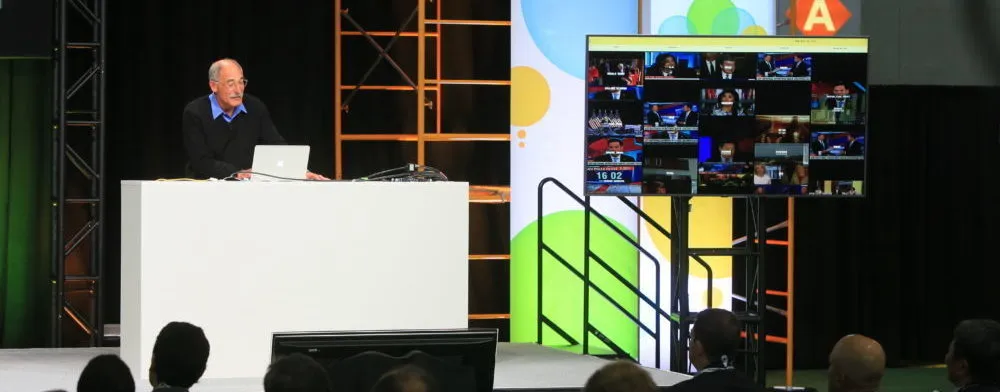
As NCTA President & CEO Michael Powell noted in his opening remarks to #INTX2016, every screen is now a television. That’s a double-edged sword. As more opportunities exist to consume video everywhere, the concept of traditional broadcasting is in upheaval. Entertainment programming has started to respond to this disruption rather successfully with shows like “Fargo” or “True Detective,” which take a cinematic approach to television. “[Entertainment] television is becoming more like the movie business,” Andy Lippman, Associate Director of the MIT Media Lab, said today at the opening talk in
Is the FCC’s Set-Top Box Plan Technology Neutral? Spoiler Alert: It’s Not

At a press conference following the FCC’s April 28 public meeting, Chairman Wheeler took the opportunity to call out NCTA for raising concerns about his proposal that would impose significant new rate regulation on competitive providers of business data services. According to the Chairman, the cable industry has long advocated technology neutral regulation and he suggested we were being hypocritical when we questioned his purportedly technology neutral approach to business data services. We explained in response that the Chairman was incorrect and that NCTA had long advocated a technology
CommScope Talks on Delivery of Gigabit Speeds

An Interface by Any Other Name…

Over the last ten years there has been an explosion in devices, apps, and content marketplaces, all champing at the bit to deliver ever-improving TV experiences. This revolution has birthed the terms cord-cutter, cord-shaver, and cord never. It’s disrupted the way content is traditionally distributed and completely redesigned the interfaces we use to watch TV. It may seem superficial, but these interfaces may be the most critical part of the modern streaming video experience. Whether you’re using a Roku, an Apple TV, an Amazon Fire, a Chromecast, or one of the dozens of other streaming boxes
Winter is Coming for Set-top Boxes: How Game of Thrones and the FCC’s Set-Top Box Proposal are Intertwined

Last night, HBO’s wildly popular Game of Thrones returned for its sixth season. We won’t provide any spoilers for those who haven’t yet watched the show but we will highlight an aspect of the show that is important for tech policy and the FCC’s set-top box mandate. That aspect is how the show can be watched via so many sources, from different providers, as part of different packages and on many different devices. Last night, you could have watched Game of Thrones via the following devices besides the TV in your living room–smartphones, tablets, smart TVs, streaming set-top boxes like Roku
The FCC Set-Top Box Mandate is Not Only Unnecessary but Legally Unsustainable

Twenty years ago, watching TV meant sitting at home in front of a television set, probably in the living room. It came through a box sitting next to the TV, and if you wanted to watch TV in a different room that it meant setting up a different box and a different connection. Today, apps, tablets, smartphones, streaming services, TV Everywhere technology, and near-ubiquitous Wi-Fi have given consumers more choices than ever as to where, when, and how they watch TV. These innovations have come from all kinds of service providers and tech companies, all of which are innovating rapidly and to