
Internet Speeds Continue to Climb Across the U.S.

We all know that the web is getting faster every year. But sometimes we don’t believe it until we see actual data demonstrating just how fast our internet networks have become. According to the latest State of the Internet report from Akamai, average peak connection speed in the United States continues its impressive progress and is reaching uncharted territory again. The country averaged 70.8 Mbps — up from 57.3 Mbps from the same time period in the previous year. The quarterly report looked at several different areas of internet speeds and trends in data over time. When it came to ranking
FCC Measuring Broadband Report Delivers High Marks for Cable ISPs

Last week, the FCC released its Measuring Broadband America (MBA): Fixed Broadband Report. The annual analysis looks at consumer fixed broadband performance in the United States by benchmarking connectivity and analyzing how the internet has changed or improved over the last year. The report gave high marks to U.S. ISPs, especially cable-based providers, showing improvements in speed and performance. Key findings from the report: Broadband speeds increased 22 percent year over year, from a median speed of 32 Mbps to 39 Mbps. Speeds for cable providers increased from 39 Mbps in 2014 to a median
GCI's 1 GIG Red: Bringing Alaska to the Cutting Edge of Connectivity

What would you do if you had gigabit internet speed in your house? GCI, Alaska’s largest internet service provider, posed this question in 2015 to the residents of Anchorage, Alaska, in a fun contest that had neighborhoods competing to receive gigabit speeds in their homes — a first for consumers in the state. The neighborhoods that showed the most interest would come away with the provider's premiere of its 1 GIG red service and a big block party to kick off the launch. (Eventually, 1 GIG red would be available in all of Anchorage.) Anchorage Mayor Ethan Berkowitz was on board. The contest
How Many Connected Devices Does Your Home Have?
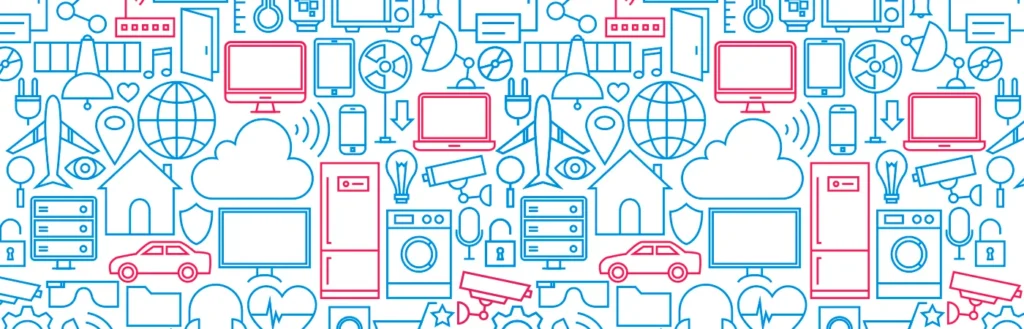
Looking around the house, have you ever noticed how many things are actually connected to the internet? The smart TV, phone, thermostat, laptop, refrigerator or maybe even your vacuum cleaner are all connected. The internet of things is here. So it’s no surprise that in a recent survey conducted by Morning Consult, 24 percent of respondents say they have between six and ten internet-connected devices in their home. Since that number is only going to get larger, it’s so important for internet speeds to continue to grow at their current fast pace, to support all those new gadgets. Just as
Is the Internet Fast Enough?

In a survey we commissioned from Morning Consult, we asked people to rate satisfaction with their home wired internet download speeds. We’re pleased to see 77 percent of respondents say they are either somewhat satisfied or very satisfied with the download speeds of their wired home internet connection. Today wired internet download speeds are lightning fast, and getting faster every day. More speed means more internet of things, more streaming video, more games, and more connections. If you want to find out more about the past, present, and future of download speeds, check out our page on
Building a Better Framework for Business Data Services Regulation

Today, NCTA submitted to the FCC a new model for smart, targeted regulation of Business Data Services (BDS) that draws from the voluminous record in the current proceeding and accomplishes the Commission’s stated goal of preserving and enhancing competition where it exists and regulating rates where it does not. This new framework is far superior to the “regulate everything” approach that Verizon and INCOMPAS have sought to advance. That proposal and the expansive new regulation it advocates “lacks support in economic theory, in regulatory experience, and in the record on BDS” according to a
What Generates the Most Internet Traffic in Your Household?

If you live in the average internet household in North America, you likely have multiple connected devices at your fingertips, which you use for a variety of purposes when going online. A new report released by Sandvinegives us a glimpse into our internet usages and patterns inside the home, and how they might differ based on the device we are using. The 2016 Global Internet Phenomena: Inside the Connected Home report found that North American households on average have seven internet connected devices, with the Windows PC (above mobile devices, game consoles, set-top boxes and SmartTVs)
How Satisfied are Americans with Their Home Internet?

A new survey on home internet provider satisfaction reveals the vast majority of Americans are satisfied with the quality, price, speed, and reliability of their wireline broadband. The internet entertains, informs, and connects. It builds businesses, it improves healthcare, and it drives creativity. In other words, it’s a very busy platform and it has grown exponentially over the last 25 years to better serve the billions of people who use it every day. So, in an effort to better quantify exactly how well America’s ISPs are doing at delivering the internet, we commissioned an independent
A History of Speed as the World Wide Web Turns 25
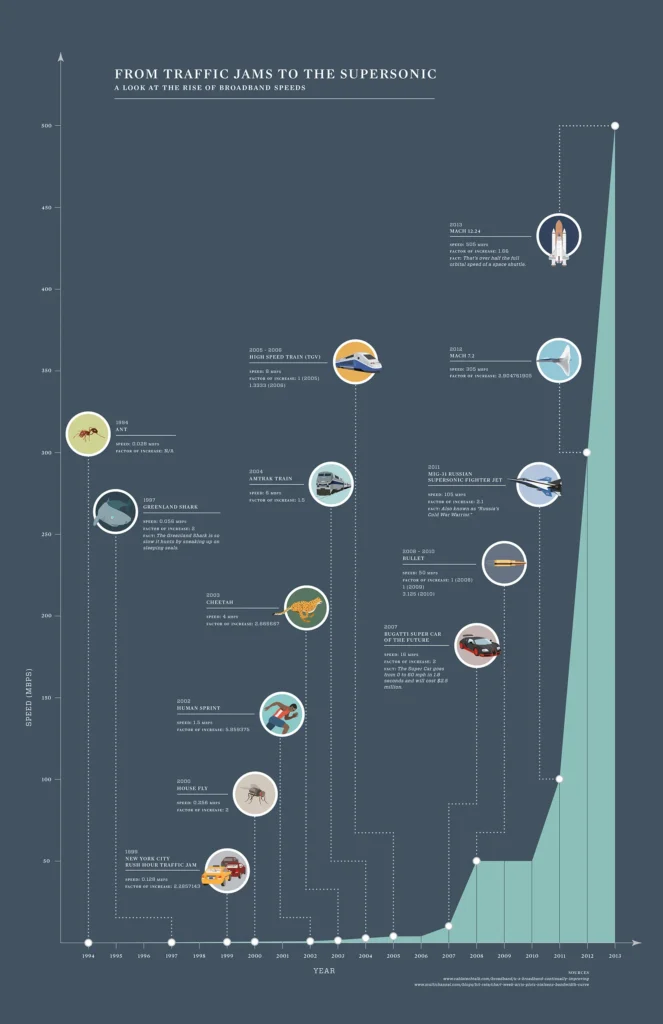
This week marks the 25th birthday of the World Wide Web. Though there had been networks of computers within research institutions and defense agencies, access was restricted. But on August 23, 1991 CERN opened its network to the public, establishing the World Wide Web. Since then, the internet has grown up quite a bit. In 2016, residential cable connection speeds are topping out at 2 Gbps. To understand how large that growth is, we’ve put together a handy graph that helps put these internet speeds into perspective. For more information, be sure to check out our pages on America’s Internet
The Data is in and U.S. Internet Continues to Get Faster

For the first time, US broadband download speeds are averaging over 50 Mbps. Ookla, the world-trusted independent source for broadband speed data, released a report earlier this month revealing a huge fixed broadband speed jump. This represents more than a 40 percent increase from this time last year. The three fastest ISPs, as evaluated by Ookla, were XFINITY, Cox, and Spectrum (the ISP formed by the merger of Charter, Time Warner Cable, and Bright House). According to Ookla, broadband speeds are ranked “based on top 10 percent performance which is determined using the 90th percentile of the