
Three Questions: Building a High-Speed Network in Alaska's Toughest Terrain

Expert: Heather Handyside, GCI Director of Corporate Communications GCI's Heather Handyside shares how Alaska's TERRA network (Terrestrial for Every Rural Region in Alaska), came to be and how it continues to transform the lives of native Alaskans everyday. Since 2011, the TERRA network has brought a higher level of internet connectivity to villages and communities across the state which were previously only serviced by satellite. What kind of work was required to build out the TERRA network? Building the TERRA network required visionaries and innovators but also people with the technical know
New Report Highlights the Important Role Connectivity Plays in Rural America

President Trump was in Nashville, Tennessee this afternoon along with Secretary of Agriculture Sonny Perdue speaking to over 4500 farmers at the American Farm Bureau conference. There he announced the release of the Administration’s ‘Rural Prosperity Report’ that takes a fresh look at ways the federal government can support agriculture, economic development, job growth, infrastructure improvements, technological innovation, energy security, and quality of life in rural America. The report specifically calls out the role broadband plays in enabling increased productivity for farms, factories
American Ninja Warrior Nick Hanson Shares His Story of Rural Broadband

Nick Hanson is a lot of things; he’s a coach, a volunteer, a Native Alaskan, and a Ninja Warrior. He’s also an internet advocate. Hailing from Unalakleet, an extremely small town in Western Alaska, Hanson knows how important a reliable internet connection is for small communities like his. It’s a lifeline, delivering access an education, receive quality healthcare, and remain plugged in to the rest of the world. With Hanson’s notoriety as a competitor on American Ninja Warrior, a TV show where athletes race to complete extremely difficult obstacle courses, Hanson has a remarkable platform to
Alaska's Secret to High-Speed Internet
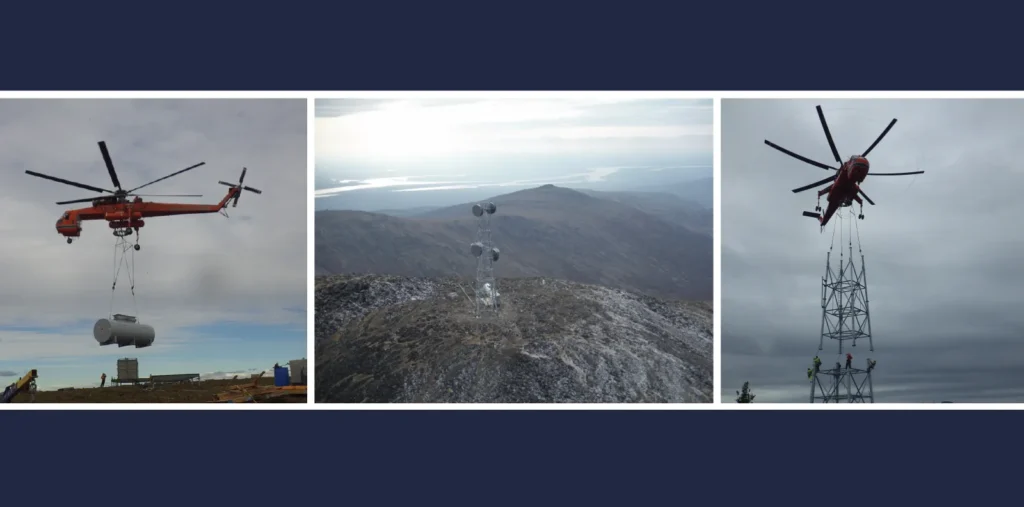
In a state where dog sledding is a popular sport and where roads in between neighbors are often hard to come by, high-speed internet makes all the difference. Like their urban counterparts, Alaskans demand more bandwidth as they rely on the internet more and more each day, and satellite service and low latency just couldn't do the job any longer. That's where the TERRA network [Terrestrial for Every Rural Region in Alaska], which is provided by GCI, the state's largest provider of broadband, comes in. TERRA serves 45,000 Alaskans in 84 communities across the most remote areas of the country
Sjoberg's: How a Small Internet Provider is Transforming Rural Minnesota
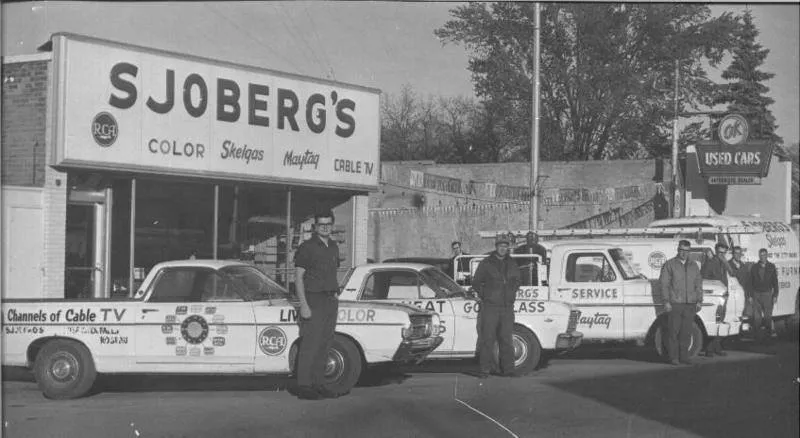
If you took a road trip out through rural Minnesota, you probably wouldn’t expect much could be going on in the tiny, wood-surrounded homes in the distance, or in the small farmhouses with the quartermile driveways. But as Dick Sjoberg knows, this is far from the truth. As the president of Sjoberg’s, the small, family-owned, internet, TV and phone provider serving northwestern Minnesota, Mr. Sjoberg has seen a lot in the business over the past several decades. Sjoberg’s customers come from communities with an average population size of 1,000, but some have no more than 50 people. Just like
Getting To Gigabits

For the better part of two decades, cable internet providers have focused on building, operating, and improving the physical infrastructure that supports high-speed, consumer internet service. Over two decades and four iterations of a technology platform called DOCSIS, cable internet providers alone have invested over $250 billion in private capital to build speed at a scale that extends to 93 percent of American households. But the work is far from done. As consumer demand for internet service continues to explode, so too must the capabilities of wired and wireless networks. That is why cable
Eagle Communications Turns a Small Town into the Next Gigabit Community
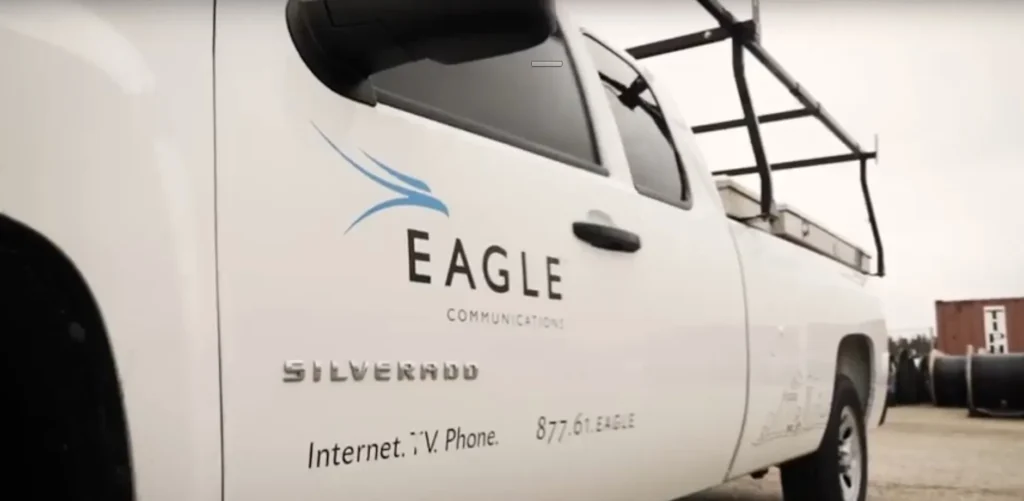
There’s no doubt that gigabit internet is the connectivity of the future. Super speeds will forever change how we live, work, play and learn, and will be the foundation of the next step in the internet’s expansion. It may seem far away, but gigabit internet is already here, rolling out across various regions of the country. Internet service providers are ahead of the game, launching ultra-fast speeds in communities of all sizes, even in the most remote areas. And this summer, a small town in rural Kansas is about to join the ranks of gigabit communities. Eagle Communications, a rural provider
Eagle Communications Brings Connectivity and a Personal Touch to Rural America

There are many perks that come with living in a big city or suburb, and reliable, high speed internet is one of them. But one internet service provider is proving that living in small town America also has its advantages, especially when it comes to the personal relationships that communities have with their internet provider. Eagle Communications is a rural provider for subscribers across Kansas, Missouri, Nebraska, and Colorado, and operates and offers cable systems, radio stations, IT support, business services and marketing solutions for towns as small as 25 subscribers to those that
A Blueprint for Internet Infrastructure Success

In Washington, a new year has brought a renewed focus on ways to invest in America’s infrastructure, including broadband networks. While we are familiar with congested highways and crumbling bridges, our nation’s broadband infrastructure tells a different story. Since 1996 the cable industry has invested over $250 billion in capital infrastructure resulting in faster and better broadband for millions of consumers. As the nation’s largest broadband provider, cable’s advanced broadband networks are available to 93 percent of U.S. homes. While the hundreds of billions of private capital has
How GCI is Connecting Arctic Alaska to the Rest of the World
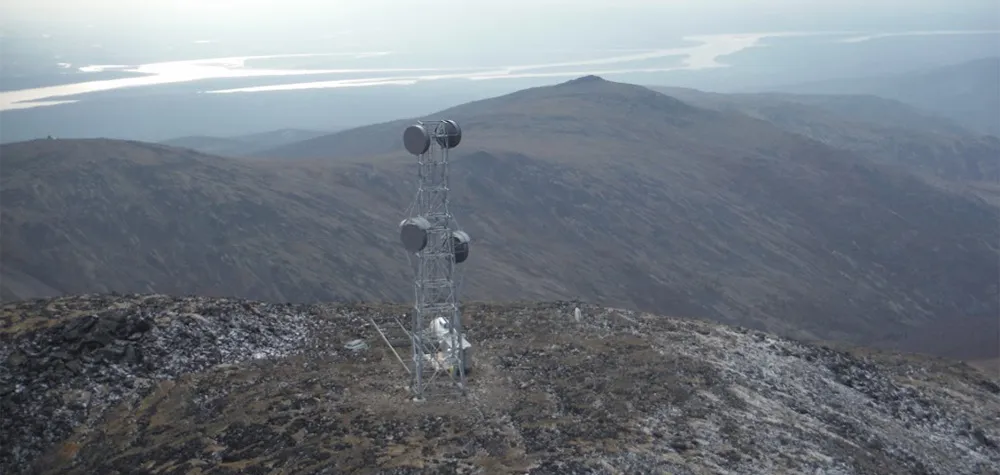
Imagine walking outside of your home knowing that you can’t get to your neighboring town, or even the nearest hospital, without hopping on a plane. That scenario is a reality for a great number of native Alaskans, especially those living in the remote regions of the state. But for many, high speed internet is about to make their lives much easier. With the recent construction completion of seven towers in the Arctic Circle, GCI, Alaska’s largest internet service provider, is about to bring a whole new level of connectivity to a part of rural Alaska. Construction of the towers is one piece of a