
IoT Has Quietly and Quickly Changed Our Lives
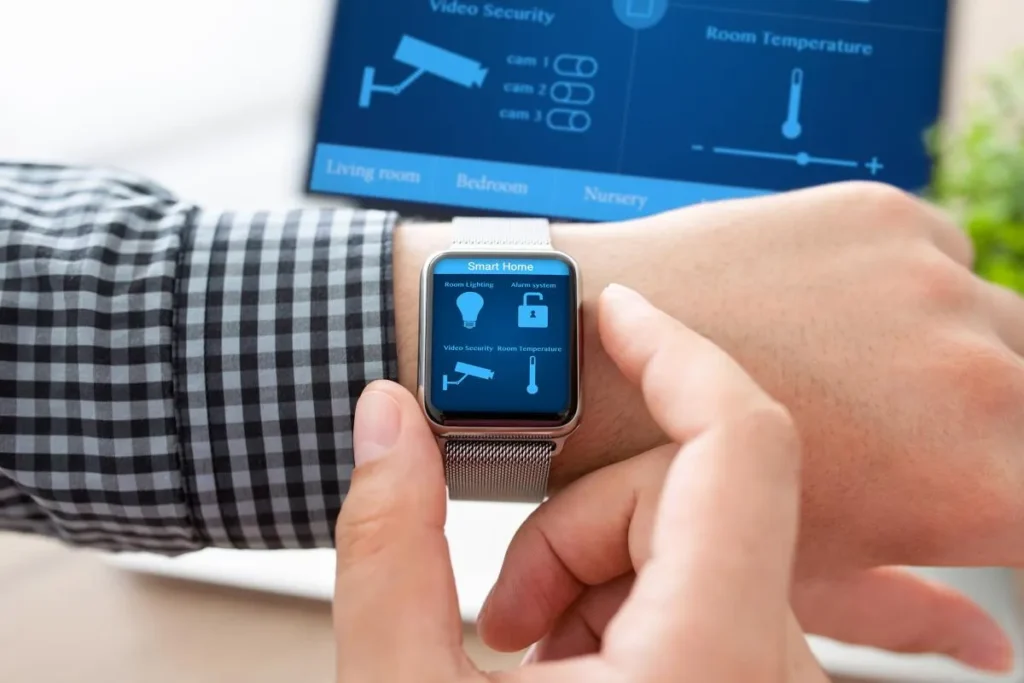
It’s pretty clear now—Americans love the Internet of Things (IoT). Connected devices are finding their way into more aspects of our daily lives, and that has a big impact on the digital landscape. In fact, according to Parks Associates, 71 percent of U.S. broadband households own a connected entertainment device. Combine that with the fact that streaming video made up 76 percent of all consumer internet traffic in 2017, and it’s clear how large of an impact IoT already has on the internet ecosystem. And it’s only going to grow, and quickly. In the next few years, analysts expect IoT to be the
A Balanced Spectrum Policy is the Way Forward

Earlier this month, in response to the President's call for the development of a National Spectrum Strategy, NCTA offered our view of how America should develop a balanced plan that seeks to increase spectrum access for all users. In comments to the NTIA, we stressed the importance of adopting a strategy that enables additional uses of spectrum and protects consumers' use of certain bands that currently enable them to receive television programming. Spectrum is a critical element for service providers to meet consumers' escalating demand for seamless connectivity to all of their devices, no
Why Cable TV is Better Than Ever

Consumers today have the most diverse and unlimited menu of choices on TV than ever before. In the last two decades, cable TV networks have invested more than $430 billion to create rich entertainment experiences that keep viewers coming back time and time again, and it's easy to see why cable shows continue to stand out for their inspiring stories and top-knotch talent. The time and effort that cable programmers put into recruiting the best writers, directors, actors and showrunners and into producing the type of quality storytelling that dominates TV ratings is paying off and viewers are
America is Now a Gigabit Nation

Fast and reliable internet connectivity has never been as powerful or widespread as it is today. In 2019, the majority of U.S. households—80 percent—can now receive gigabit service from their cable internet provider. That's over 40 states that have gigabit offerings in both urban and rural communities, up from just five percent in 2016. The rate of availability for gigabit speeds has increased significantly, and that's especially important given the demands of consumers today for networks that can deliver advanced technology such as virtual reality, augmented reality, artificial intelligence
Celebrating Innovative Storytelling at the Golden Globes

Before viewers truly dive into the new and returning shows of 2019, it's worth taking a look at the Golden Globe Awards to get a good sense of the kind of programming that stands apart in today's competitive yet thriving TV marketplace, and which shows might be in for an Emmy reckoning later this year. This past Sunday, the 76th annual awards show entertained and inspired audiences by awarding accolades to a good mix of new and buzzy programming, as well as those steadfast dramas that never cease to disappoint. Here are a few of the memorable highlights. FX's The Americans, the beloved spy
The 10 Gigabit Network of the Future
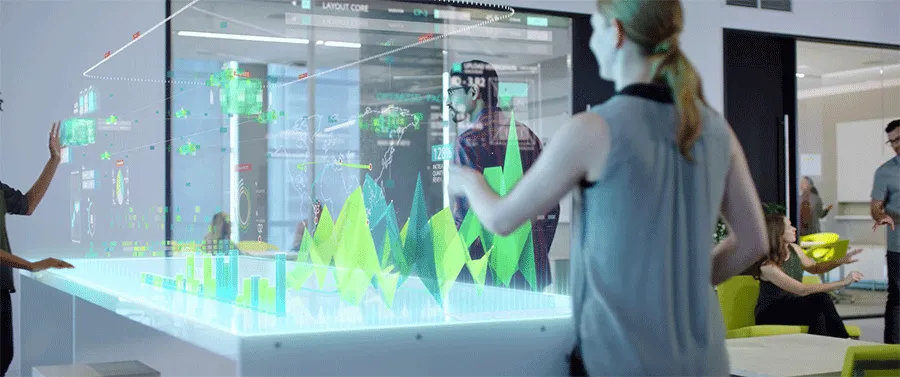
By Michael Powell Imagination is the source of innovation. It drives us to push past present limitations and to think anew about what the world can be. With regard to internet service, while it's difficult to predict the specific ways that we will connect and communicate digitally in the next decade, it's also evident that consumer demands on networks will grow, offering new challenges but also exciting new possibilities. For that reason, while the cable industry remains focused on executing to meet the needs of customers today, it also devotes significant energy to thinking ahead about the
CableLabs Gives a Sneak Peek of the Innovation Trends to Look for in 2019

2019 is here, and it’s exciting to think about what new technology and media experiences might be in store for everyone in the next 12 months. It's also almost time for CES—the Consumer Electronics Show—which kicks off next week and where emerging technology trends, devices and gadgets make their debut. CableLabs also just released their latest tech predictions video, many of which will dominate the CES showfloor and transform a wide range of sectors in the coming months. Let's take a look at the latest innovations highlighted in their video that are due to make a huge impact on the industry
What Do Americans Value the Most in Their Internet Service?

It's the first week of 2019 and the perfect time to assess people's priorities when it comes to the state of internet connectivity in their homes. Given that 2018 saw lots of progress and strides in broadband adoption and expansion, it's more important than ever to evaluate what users are looking for in a broadband connection, and how America's broadband providers are meeting their digital needs. In a poll conducted by Morning Consult last month, the majority of people—62 percent—are receiving their internet service from a cable broadband provider. Most broadband internet users—69 percent
NCTA's Favorite Programming Moments of 2018

As the year comes to a close and audiences gear up for the great television that lies ahead in 2019, let's take a moment to reflect on a few of the milestones achieved in 2018. While there were many, NCTA compiled the top five moments in programming it covered here over the past 12 months. Live streaming broke more records this year, and cable TV networks came out with innovative storytelling that won audiences over time and time again. There's no telling what the new year will bring, but if 2018 is any indication, the future looks bright for TV viewers everywhere. Winter Olympics This year's
How Cable Programmers Are Giving Back to Communities Nationwide

The cable industry has a long history of giving back to the communities they serve, and the holiday season is a good time to highlight the corporate philanthropic efforts underway. Many of these projects, spearheaded by America's broadband providers as highlighted last week, are truly making a difference for the non-profits and the people they serve. Cable programmers are also leading a myriad of these initiatives throughout the industry that focus on bringing together communities through volunteerism, charity events, and grant giving, as well as reaching youth through education, influential