
Discovery's Spielberg Docuseries Explores 'Why We Hate'

Earlier this fall, Discovery Channel came out with a six-part docuseries that hones in on a unique topic that isn't normally examined or discussed in depth for television entertainment: the human condition of hate. Executive produced by Steven Spielberg and Alex Gibney, "Why We Hate" was first born out of a conversation between Spielberg and Discovery CEO David Zaslav about a passion project they could produce that would have a large global reach and impact—something that Discovery's programming is known for. "It's not just an exploration of the origins and stories about hate, but it also has
Streaming the Decade
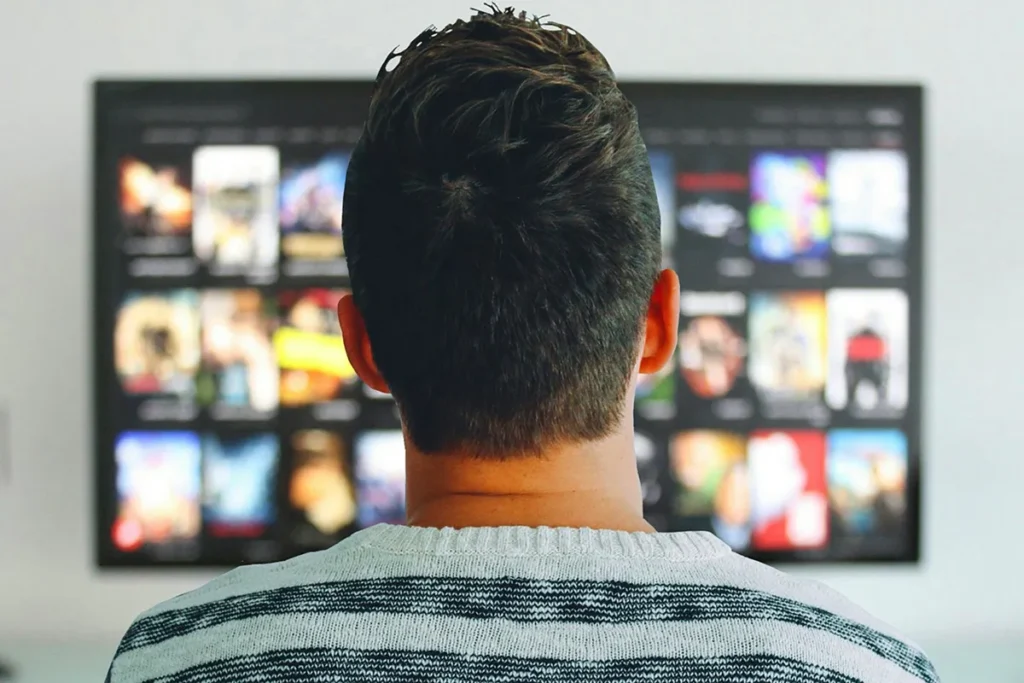
Back in 2009, binging a TV show usually meant buying each season on DVD and watching every episode on a TV or laptop with a DVD drive. Maybe if the show was new enough, it would have full seasons available for purchase on iTunes. Or perhaps you were able to find old episodes on-demand to catch up on the latest season. But for the most part, the TV watching experience looked a lot like it had for decades; tune in on time or record the episode to watch later. The next decade would change how we watch and even think about TV. Disc drives have mostly been phased out of computers, and many people
Working Towards Digital Inclusion for Americans with Disabilities

Today, on International Day of Disabled Persons, it's important not only to raise public awareness about people with disabilities, but also to find ways to further empower and equip these individuals with the tools to become participants in our digital economy. Unfortunately, people with disabilities are almost three times less likely to use the internet than those without disabilities, according to research studies. In 2017, Pew Research Center came out with a report that revealed that 23% of people with disabilities said they "never" went online, compared to 8% of those without disabilities
How America's ISPs Are Giving Back to Their Communities

As Americans prepare to celebrate the Thanksgiving holiday, it's a good reminder for many during the "giving season" to lend a hand to those less fortunate, and to join efforts to revitalize communities in need of help. Many in fact are already doing so through philanthropic initiatives led by America's broadband providers. Very few industries have the reach that cable ISPs have when it comes to interacting with residents in every region of the country. They connect with communities everyday not just through their internet services and products, but through community events, partnerships, and
The Rapid Rise of Esports, Powered by Fast Broadband

Eager fans fill an arena, proudly wearing their favorite player’s jersey. But this isn’t a football game; the crowds are cheering on professional gamers as they compete live alongside their teammates for the championship. This is esports, and it represents a rapidly growing new form of entertainment. Take the fun of video games and combine it with the spectacle of live sports, and it’s no surprise that 84 million Americans are expected call themselves fans by 2021, surpassing all other professional sports leagues but the NFL. In fact, 44 percent of Gen Z say they’ve watched an esports match
How Technetix, NCTA's Newest Member, is Preparing Cable Networks for the Future

Broadband networks have completely transformed life in almost every way possible over the past several decades. Advanced technologies like virtual reality, augmented reality, artificial intelligence, and holograms all rely on the robust broadband networks that internet service providers build and continue to upgrade as the 10G future looms near. In turn, ISPs rely on their partnerships with technology providers to continue to innovate and evolve their networks. Technetix, a global cable broadband technology provider and new member of NCTA, plays a large role in bringing networks up to speed
The Path to Gigabit Wi-Fi Starts with the 5.9 GHz Band

Thanks to unlicensed spectrum, Wi-Fi has become the glue that binds our digital lifestyles together. It has transformed connectivity in America in just about every way possible. Wi-Fi connects us to the internet so we can conduct business, catch up with family and friends, do homework, obtain a medical diagnosis, stream our favorite shows, and much more. And our appetite for more connectivity is only growing as the number of internet-enabled devices is expected to exceed 500 billion in 2030, according to Cisco. But the traffic lanes that allow Wi-Fi to travel have become much more congested
Cable's Commitment to LGBTQ Storytelling

National Transgender Awareness Week has begun, and it marks an opportunity to continue recognizing the importance of inclusion and representation for transgender individuals and the LGBTQ community as a whole on television. The latest release of GLAAD's annual "Where We Are on TV" report, now in its 15th year of tracking the number of LGBTQ characters on television, revealed progress in many areas and highlighted places where the industry should continue to improve. Cable still leads the way with the highest number of regular and recurring LGBTQ characters across all three platforms, ahead of
Getting Military Veterans on the Right Path to Success

Today, as millions of Americans celebrate Veterans Day, the cable industry joins in by honoring its employees who have not only served in various branches of the military, but who have found new success and second careers at cable operators and networks across the country. The industry recognizes the value that these men and women bring to the workforce through their diverse set of skills and experience that they acquired during their service. "Veterans are not monolithic. They have a set of distinct attributes, which is a part of why businesses seek them out. They are team players, they have
Online Video Usage Up Among Teens

A new survey from Common Sense Media has found an uptick in media usage among tweens and teens, ages 8-18, and further highlights how the next generation is looking to embrace and continue the digital lifestyle. The organization, which promotes safe media usage for children, has been collecting this information since 2003 and comparisons to previous years help to measure and predict trends in children's online behavior. Key findings include: More than twice as many young people are watching online video everyday in 2019 than they did in 2015. This goes for two age groups: Increase in Teen