
NBCUniversal Delights Olympic Audiences Across Platforms

With the final days of the 2024 Paris Olympics approaching, NBCUniversal has thrilled audiences for almost two weeks with near round-the-clock coverage of the games. When all is said and done, the entertainment leader will have broadcast 7,000 hours of coverage, including more than 5,000 streaming hours, 17 consecutive nights of primetime programming on NBC, and all 329 medal events streaming on Peacock, with more than 150 commentators providing insight. Streaming the games Peacock’s Paris 2024 viewing experience has introduced industry-first interactive features to help fans navigate more
Michael Powell Op-Ed: “The Smartest Way to Bring Broadband to All”
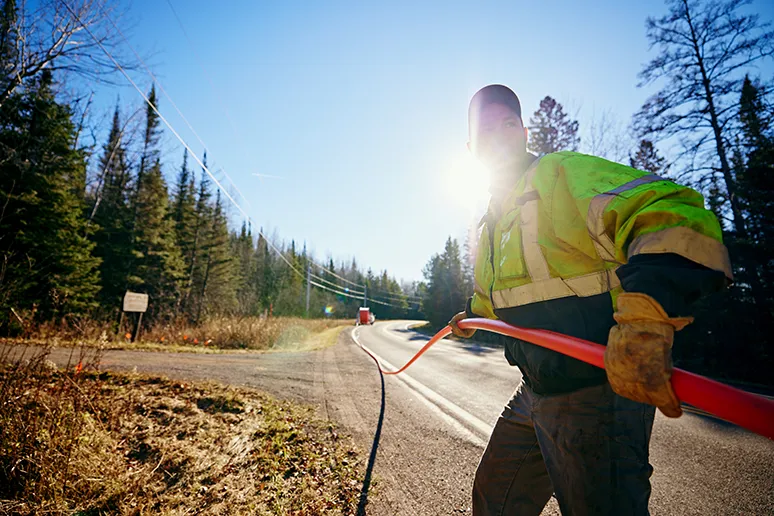
In 2021, Congress approved the largest investment ever to support broadband expansion with the federal Broadband, Equity, Access, and Deployment (BEAD) program that will distribute over $42 billion to the states in the coming months. But while disbursement of this historic funding is a step in the right direction, ensuring that the BEAD program is a success will take significant diligence to ensure that the program stays laser-focused on completing its mission of delivering broadband to those without it. That’s the message of an op-ed published in Governing by Michael Powell, President and CEO
Mediacom Completed Network Featured in “Every Last Mile”

Mediacom has announced that it has completed the extension of its fiber-optic network in Lakewood Township, Minnesota. The project was one of three projects highlighted in NCTA’s new docufilm, "Every Last Mile.” “Every Last Mile” tells the story of the hard work that goes into extending broadband networks to far-out corners of the United States. The film follows work crews as they lay cable across difficult terrain to help connect rural communities, from the Aleutian Islands in Alaska to the arid desert of Arizona. Community impact “An estimated 95% of our residents did not have access to
TV Stats: Big Emmy Numbers for the Best TV Shows

This September, TV’s biggest names will gather to celebrate the best of the industry at the 76th annual Emmy Awards. As with many past awards seasons, NCTA member companies continue to set records for excellence on screen. With billions invested annually in award-winning programming, audiences and critics are clear winners.
Bridging the Digital Divide in Remote Alaska

The new documentary “Every Last Mile” chronicles the untold story of connecting rural America. It follows three broadband construction crews as they overcome obstacles to tackle the monumental challenge of ensuring every American, regardless of where they live, has access to digital infrastructure and the opportunities it brings. Connecting Unalaska One of the remote areas featured in the film is King Cove, Alaska, a remote fishing community accessible only by air and sea. Undaunted by unpredictable weather, turbulent seas, and even volcanic eruptions, GCI’s broadband construction crews forged
NBCUniversal To Deliver Historic Coverage of Paris Olympics

On Friday, July 26 NBCUniversal will broadcast the Opening Ceremony of the 33rd Olympic Games from Paris, France to kick off a summer of new viewing options powered by innovative technology and years of experience in live sports broadcasting. The Opening Ceremony will make history as a flotilla of nearly 100 boats takes to the River Seine that runs through the center of Paris, as the waterway is turned into a floating stage to welcome the world to this summer’s Olympiad. Where to watch Coverage of the 2024 Games will air across the company’s platforms including NBC, Peacock, USA Network, E
WATCH: Panel Discusses Experience Building Rural Broadband

Recently, NCTA hosted a screening of the new docufilm “Every Last Mile” immediately followed by a panel discussion about lessons learned building broadband networks in rural areas. Panelists included: Tom Larsen, Senior Vice President, Government & Public Relations at Mediacom; Jeff Merritt, Market Vice President at Cox in Roanoke Virginia; and Jennifer Nelson, Senior Director, Rural Affairs at GCI. The panel represented each of the network operators highlighted in “Every Last Mile” which follows crews in northern Minnesota, the desert of Arizona, and Alaska’s Aleutian Islands as they do the
Broadband Stats: America Benefits from a Dynamic Spectrum Approach
As federal stakeholders allocate future wireless spectrum, efficient use must be prioritized. CBRS is one such model that is proving the power of shared-use dynamic spectrum approaches, powering new deployments across the country. At the same time, mobile services from cable are saving consumers billions of dollars monthly and benefitting from CBRS deployments.
Premiere of “Every Last Mile: The Untold Story of Connecting Rural America” Addresses Closing the Digital Divide

NCTA and the Washington Post Live recently partnered for a special screening of the new documentary, “Every Last Mile.” The film chronicles the untold story of connecting rural America, following three broadband construction crews as they overcome obstacles to tackle the monumental challenge of ensuring every American, regardless of where they live, has access to digital infrastructure and the opportunities it brings. The screening was followed by a roundtable discussion with Rural Utilities Service (RUS) Administrator Andrew Berke and Virginia’s broadband office director Tamarah Holmes, and
America’s Expanding Broadband Networks Continue to Grow: The Northeast Pt. 2
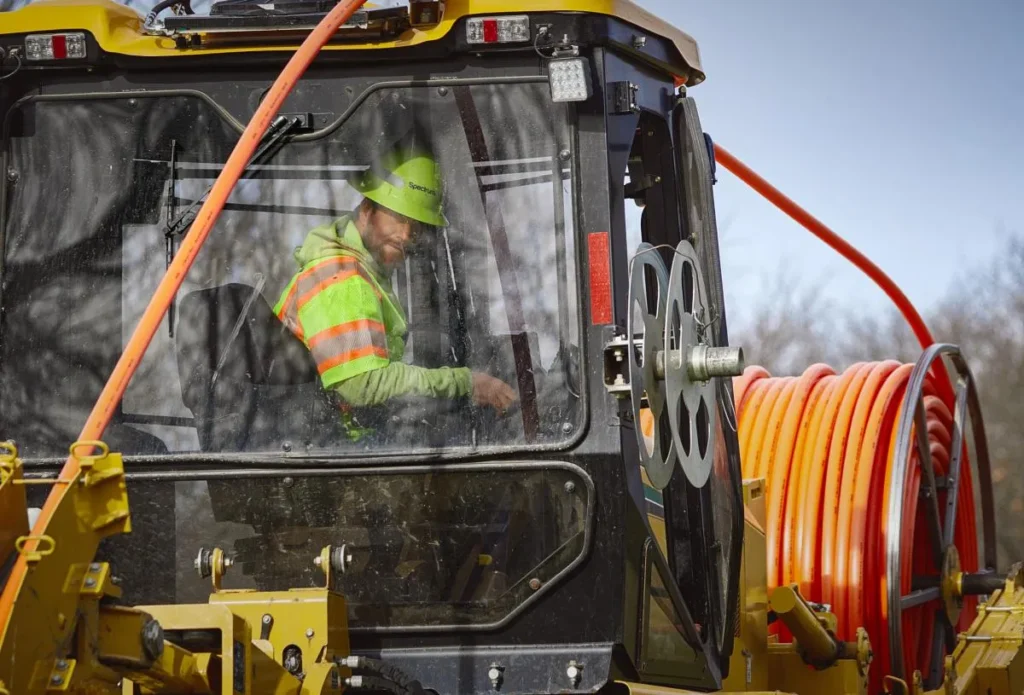
As America targets efforts towards connecting every community to robust broadband – including the distribution of more than $40 billion in federal funds for building new networks – cable providers continue to do what they have always done: build out their networks to reach as many Americans as possible. With network expansions continuing to happen nationwide, here are a few more examples of projects that work towards the national goal of connecting every American. To learn about other projects highlighted in previous blogs, be sure to check out NCTA.com. And to learn more about what it takes