
2017 Brings in More Scripted TV Content Than Ever Before

As 2017 winds down, it's common to see annual "best of year" lists floating around, and TV and entertainment writers have even more programming to choose from this year. FX Networks estimates that the final count for the number of scripted TV series in 2017 will exceed 500 by year end. That's up from 455 from last year, and more than double since 2010. With more options than ever in programming content, 2017 continued the trend of bringing viewers a plethora of niche and diverse stories, reaching people of all different backgrounds. In fact, a survey from PricewaterhouseCoopers speaks to the
Connected TVs and TV Everywhere Are Gaining Ground

With more pay TV subscribers becoming regular TV Everywhere users, the connected TV is rapidly becoming the preferred device to watch. Industry reports show that consumers are opting to utilize connected TVs, TV Everywhere services and programming apps that are creating a whole new way of watching television. The Nielsen Total Audience Report, which found that consumers this year are spending 32 more minutes a day than last year connected to media for a total of 10 hours and 48 minutes, highlighted internet-enabled devices capable of streaming content to a TV set. TV-connected devices include
American Ninja Warrior Nick Hanson Shares His Story of Rural Broadband

Nick Hanson is a lot of things; he’s a coach, a volunteer, a Native Alaskan, and a Ninja Warrior. He’s also an internet advocate. Hailing from Unalakleet, an extremely small town in Western Alaska, Hanson knows how important a reliable internet connection is for small communities like his. It’s a lifeline, delivering access an education, receive quality healthcare, and remain plugged in to the rest of the world. With Hanson’s notoriety as a competitor on American Ninja Warrior, a TV show where athletes race to complete extremely difficult obstacle courses, Hanson has a remarkable platform to
TV Piracy's Reckless Consumption of ‘Phantom’ Bandwidth
Sandvine's spotlight on subscription TV piracy released earlier this month highlighted some of the major problems that unlicensed content is causing in the media and entertainment space. The costs that are lost to content creators– which TV piracy services are essentially stealing from– could mean less money to invest in creative programming in the future. But another issue that the report raised which isn't talked about very much is phantom bandwidth and its effect on cable operators and consumers. But first, what is phantom bandwidth? Sandvine defines phantom bandwidth as "data that is
New Report Shows $4.2 Billion in Losses from Pirated TV
Sandvine released its 2017 Global Internet Phenomena Spotlight on Subscription Television Piracy report this week. In it, Sandvine revealed that 6.5 percent of households in North America are illegally accessing subscription-based television content each month. The report looks at how unlawful content distributors aim to "replicate the live television experience offered by cable and satellite providers," and projects that it will continue to grow if left unchecked, especially given the low cost for users to access this unlicensed content. The report also found that these pirated services
Starz Executive Shares Strategy Behind Diverse Storytelling

Cable has long been telling stories that not only entertain and inform, but that challenge the status quo and ultimately lead to encouraging cultural shifts in our society. But powerful programming is only possible if it speaks to the many demographics and perspectives that make up America's viewership, and often it’s those stories that don't usually see enough screen time that make all the difference. One network that has prided itself on telling those stories is Starz. Starz is known for some of its hit shows like Power, the second-most watched series on cable behind Game of Thrones last
A Report Isn’t Needed to See That Video Competition is Fierce
Yesterday, NCTA filed comments with the FCC on its annual report, the “Status of Competition in the Market for the Delivery of Video Programming.” As anyone who is a fan of great TV programming (whether viewed from a traditional provider or the multitude of other ways to watch) knows, competition in the video marketplace is aggressive. Choices are abundant, leading to better products and easier ways to access the programs consumers love. That’s why, instead of rehashing the state of today’s competitive marketplace, we urged the FCC to take steps to eliminate rules that no longer make sense. We
Cable Recognizes Hispanic Heritage Month

Before Hispanic Heritage Month concludes this week, we wanted to highlight a few of the special programs and efforts being made throughout the internet and television community that recognize the contributions of Hispanics to American history and culture. Hispanic Heritage Month, which runs from September 15 to October 15 because the 15th marks the independence days of several Latin American countries, is a time in which communities all over the U.S. celebrate the second-fastest growing ethnic group in the country. Many internet service providers and television programmers take this
Technology is Changing the Way The Weather Channel Covers Hurricanes

This past September brought with it some of the year’s biggest news stories, and most of them revolved around the major storms and hurricanes that ravaged south Florida, Houston, and Puerto Rico. Most likely, you turned to The Weather Channel to better understand how it was all unfolding and impacting the communities that were hit. Case in point, this year, the network experienced its highest ratings in its 35-year history at the height of Hurricane Irma, with 70 million viewers tuning in from one out of three TV households in America. A small but mighty company, the staff at The Weather
BBC America’s Top Executive Gives Her Take on Women in Television
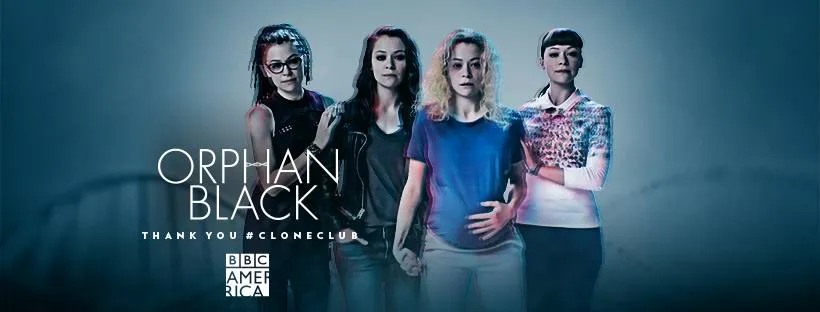
In anticipation of Diversity Week, when thousands will gather in New York City next week to encourage and advance diverse initiatives across the cable industry, we spent some time getting to know our Woman of the Year honorees who will be awarded with WICT's highest honors at the annual WICT Touchstones Luncheon. This week, we spoke with Sarah Barnett, president and general manager of BBC America, to learn more about her career challenges and highlights, and where she thinks the industry stands when it comes to gender diversity. What does this honor mean to you? First, I would like to start by