
And the Show Goes On

Some Hollywood movies and TV shows were recently given the green light to resume production, albeit with a series of new guidelines now in place, and it will certainly be interesting to see how America's favorite shows adapt to the COVID-19 environment. As the new TV world order kicks off, it's worth saluting those showrunners and TV production teams for their extraordinary work over the past few months in keeping their shows running. Old and nostalgic TV shows came back to the forefront. Zoom interviews were broadcast with talent to discuss their television shows. Children's programs hosted
40 Years of Black Excellence at BET

In January of 1980, Robert L. Johnson left his position at NCTA and, with his wife Sheila Johnson, launched the first TV network “that allowed Black people to see themselves, their stories, and their culture on television,” according to BET President Scott Mills. In the 40 years since its founding, BET has successfully stood as a leader in elevating Black voices and experiences, and inspiring generations of writers, actors, and creatives to tell their own stories. From awards shows like the BET Awards, to community projects, from nationwide campaigns, to its latest initiative, “Content for
How Cable TV Networks Are Helping Kids Get Through the Pandemic
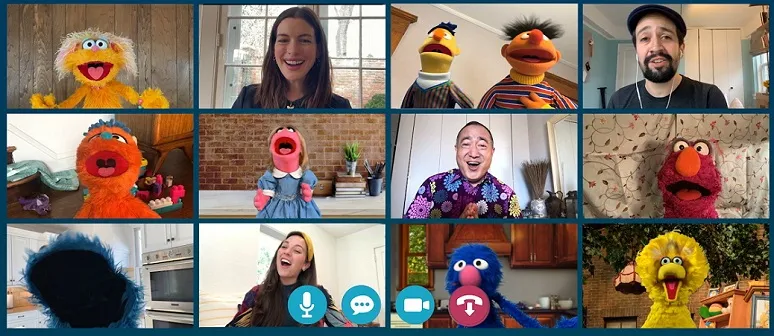
As a result of the COVID-19 pandemic, young people went from seeing their friends, classmates, and teachers on a daily basis to quarantining with their parents and guardians. These changes have been particularly challenging for kids, many of whom relied on the adults in their life to help make sense of the situation. Early on, cable TV networks recognized that families would need help during these unprecedented times and started working to support them. From specials to town halls to virtual events, producers and showrunners put their heads together behind the scenes to provide creative
Discovery Channel Demonstrates Adaptability in the Face of COVID-19
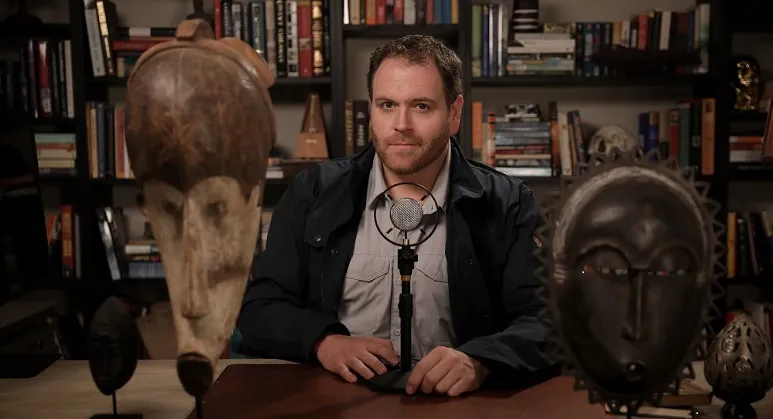
With people hunkered down at home over the past two months, audiences have been hungrier than ever for news and entertainment. As a result, cable TV networks have had the responsibility of adapting their programming lineups and creating new content in light of recent events. From producing on the fly to having talent and staff working from their homes, it is an extraordinary feat to keep viewers informed, up to date, and entertained as the pandemic surges on. We recently caught up with Discovery Channel Senior Vice President of Programming, Donna D'Alessandro, to find out how the network has
How COVID-19 Is Changing How Americans Watch TV
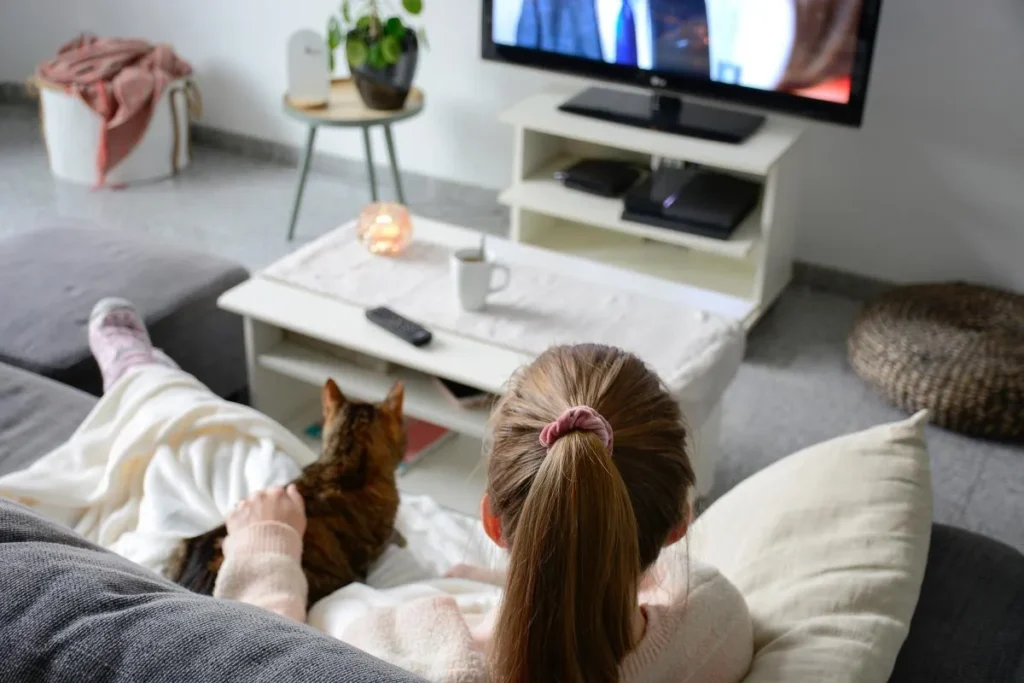
It’s been about two months since most Americans transitioned to stay-at-home orders, enough time for new data to start becoming available to measure how habits have changed. With more time on their hands, many have turned to their screens to fill the days, according to new data. Nielsen reports that Americans are streaming TV content at about twice the levels they were last year. In fact, for the week ending in April 27, Americans streamed approximately 150.5 billion minutes of video. For comparison, the same week last year saw 84.8 billion minutes of streaming video. Web Traffic In fact, this
ESPN to Produce First Ever Virtual NFL Draft

Most live sports on TV, with the exception of esports, have all but come to a halt during this tenuous era marked by COVID-19. But ESPN hopes to bring spirits up beginning tonight during its first ever virtual NFL draft. In a combined broadcast with NFL Network, the 2020 draft that was supposed to take place in Las Vegas will now be run remotely, with NFL Commissioner Roger Goodell announcing draft picks from his house. While a limited number of staffers will be working out of ESPN's studios in Bristol, Connecticut—using proper protocol by the CDC and guidance from the governor—everyone else
TV Networks Play a Powerful Role in Coronavirus Response

It now goes without saying, but a lot of things are different. Many Americans find themselves spending more time with entertainment and news, shining a light on the important role media plays in our lives. Our favorite shows can feel like old friends, taking us out of our stress and reminding us of the familiar. With that in mind, many cable TV programmers have launched special initiatives to keep Americans entertained and informed during this unprecedented time. In a time of crisis, clear, straightforward information is vital. That’s why many cable tv programmers are using their platforms to
Celebrating Black History Month with BET

If you can’t see it, you can’t be it. This notion was a driving force behind the creation of Black Entertainment Television in 1980. And now 40 years later, BET is still showcasing the stories of African Americans. To celebrate Black History Month, we talked with BET executives about the importance of elevating the black experience and the networks’ many accomplishments. Black History Month at BET When asked what Black History month means at BET, both Scott Mills, President of BET Networks, and his colleague Jeanine Liburd, Chief Social Impact and Communications Officer, had the same response
3Qs: What TV Means to Consumers Today

“Does TV matter?” That was one of the primary questions that drove a team of researchers at ViacomCBS to explore the role that TV plays in the lives of consumers. Their worldwide inquiry, in which they took TV away from families for a whole week, lead to an examination of today’s fast-changing media environment and how it has impacted the way people experience television. As results from the “TV Matters” research emerge, as well as insights from a second project called “Today’s TV,” NCTA connected with Christian Kurz, Senior Vice President of Global Consumer Insights at ViacomCBS. Kurz’s team
Primaries, Candidates and Everything in Between: How C-SPAN is Handling 2020
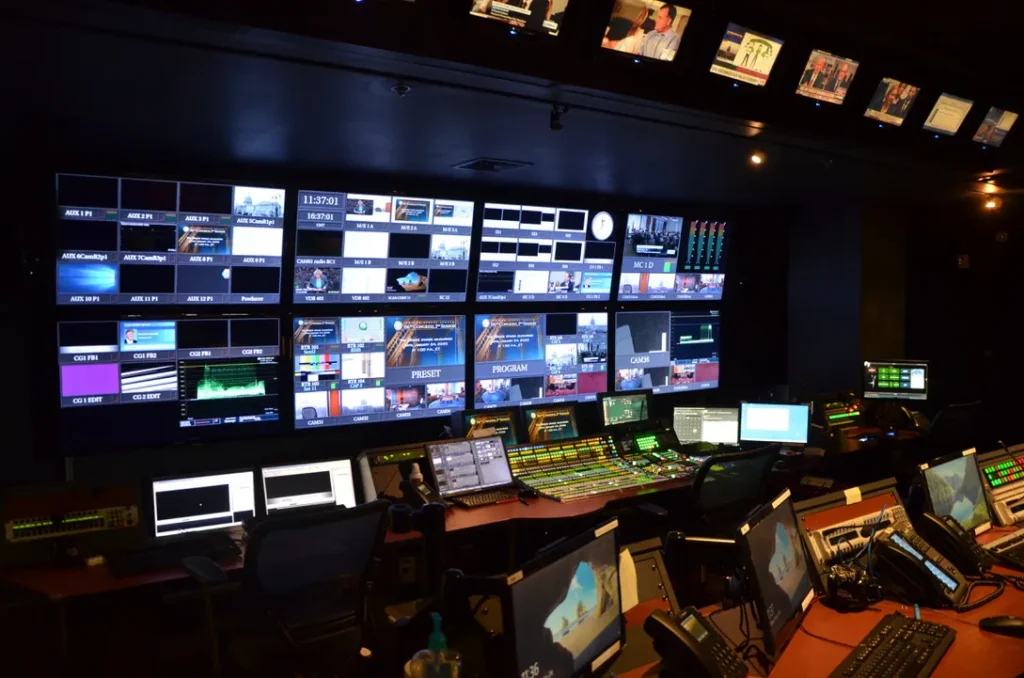
While the 2020 primaries and caucuses officially kick off this week, C-SPAN has been in campaign mode for over a year covering the many candidates as they visit towns large and small. It has been a busy time for C-SPAN both in and out of Washington as more people than ever before came to their website and watched more videos in 2019. In addition, many don't realize C-SPAN is not government funded, but rather was created by the cable industry 40 years ago and continues to be funded by the cable and satellite industries. To learn more about how C-SPAN covers the election and other political