
Broadband Stats: The Power of Wi-Fi

Over the past decade, the United States and the rest of the world has seen a boon in the growth of connected devices. From smart lights to speakers to internet-connected refrigerators and washing machines, new technology is powering the growth of the smart home. These technologies all have one thing in common—they rely on fast Wi-Fi. With more devices utilizing the power of Wi-Fi, the FCC recently opened up more wireless spectrum to ensure these technologies continue to work efficiently and smoothly. The latest report from Cisco estimates that the average home will gain over five connected
What is Wi-Fi 6E and How Does it Differ From Wi-Fi 6?
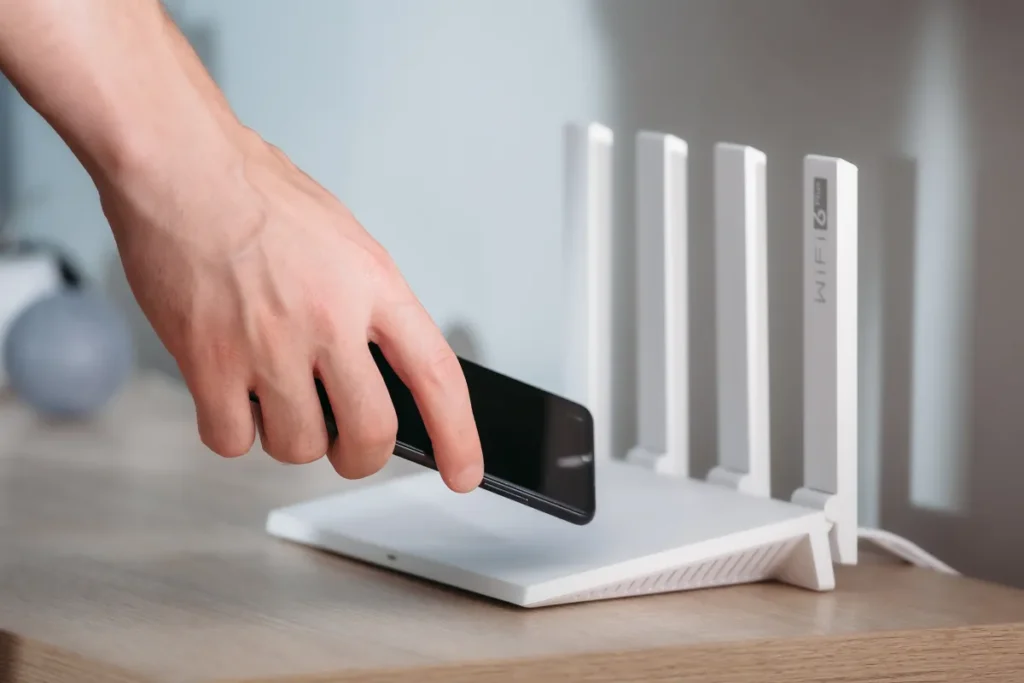
Three years ago, Wi-Fi 6 technology hit the market, delivering faster speeds, lower latency, and increased security to Americans across the country. Since then, a number of technical developments have resulted in an even more upgraded Wi-Fi experience. As cable internet service providers continue to stay ahead of consumer demand and on the cutting edge of innovation, it’s worth taking a closer look at what these developments actually mean for consumers and their internet experience moving forward. First, what is Wi-Fi 6E and how does it differ from Wi-Fi 6? Wi-Fi 6 (technically named IEEE 802
What Is Unlicensed Spectrum and How Does It Contribute $95.8B Annually to the Economy?

A new report from the Consumer Technology Association (CTA) estimates that Wi-Fi and other unlicensed wireless technologies generate $95.8 billion per year for the American economy in technology sales alone. The study underscores the importance that the FCC has put on opening up more unlicensed spectrum, pointing to the enormous benefits in investment and innovation that this policy produces for the country. CTA’s study expands on previous studies on the importance of unlicensed technologies that have examined indirect economic benefits by focusing on the immediate revenue generated by the
A Time to Celebrate Wi-Fi Progress While Building Towards the Future

This Sunday marks World Wi-Fi Day, and there is a lot to celebrate about the technology that has transformed the way people connect and made invaluable contributions to the global economy. Wi-Fi has proven especially critical over the last year, as we all adapted to working and learning from home and keeping in touch by phone and video. According to Plume, the number of Wi-Fi devices connected to home Wi-Fi networks increased dramatically beginning in mid-March 2020, in some markets over 100% over pre-pandemic levels, which enabled business, education, healthcare, and social interactions to
Outdoor Access to Unlicensed Spectrum in the 5.9 GHz Band Will Support Next-Generation Wi-Fi

Last fall, the FCC took a major step forward for Wi-Fi when it voted unanimously to open up the lower portion of the 5.9 GHz band for indoor unlicensed use. As Wi-Fi demand has grown, so has the need for wider channels and for more unlicensed spectrum bandwidth to support the ever-evolving digital needs of Americans. This compromise decision also preserved the upper portion of the band for new automotive safety innovations and updated the rules so the auto industry can deploy the latest technologies. Although this bipartisan decision is a win for both American consumers and automotive safety
Opening Unlicensed Spectrum in the 5.9 GHz Band Is More Critical Than Ever Before

To check the latest findings on nationwide broadband network performance during the pandemic, go to the NCTA COVID-19 dashboard. More and more, Americans rely on a series of connected devices to stay informed, entertained, and safe. Notably, as FCC Chairman Ajit Pai stated, "this trend has only accelerated during the COVID-19 pandemic." These devices, from laptops and tablets to hospital and industrial equipment, all operate using Wi-Fi technology. With 50 billion devices connected to Wi-Fi around the globe, it should be no surprise that by 2022, the amount of internet traffic generated in a
2020: A Remarkable Year for Wi-Fi

World Wi-Fi Day is this Saturday, and if there was ever a year when we should celebrate Wi-Fi, it would be 2020. Even prior to the current public health crisis, Wi-Fi was part of our routine and played a growing role not only at home and at the office, but in factories, hospitals, retail stores, and transportation hubs across the country. In fact, more than half of U.S. internet traffic transits a Wi-Fi network, and that share is predicted to grow. During the pandemic, Wi-Fi has become even more important as Americans around the country worked, learned, shopped for essentials, and accessed
6 GHz Spectrum: Critical to the Future of Wi-Fi
Americans are relying on our Wi-Fi connections now more than ever before. Businesses have seen a mass migration to telework and video conferencing to keep connected, schools are rapidly moving to online distance learning during closures, patients are connecting to telehealth providers, and we’re all checking in virtually with friends and family. Even before the additional demand on our Wi-Fi networks as a result of the COVID-19 public health crisis, our networks were crowded. The FCC hasn’t made available new unlicensed spectrum usable for Wi-Fi since before the iPhone was introduced. And
Bring on the Smart Devices
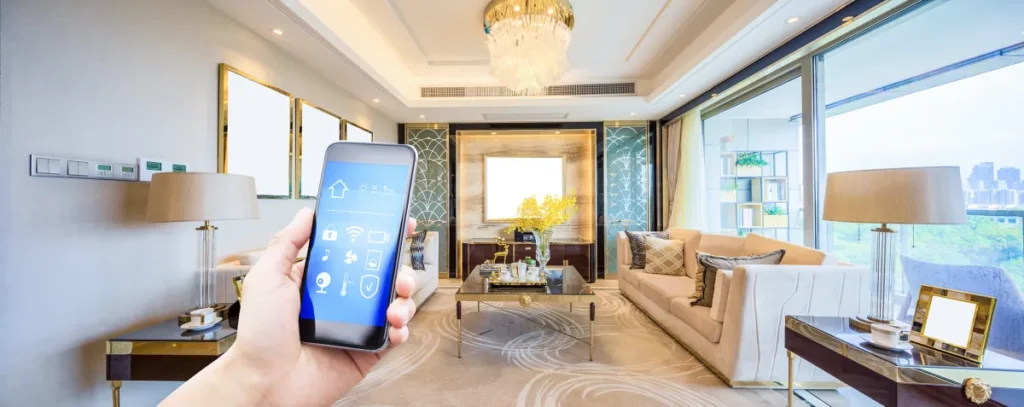
It’s pretty miraculous that in 2020 you can leave your lights, your AC, and your music on when you leave the house and effortlessly turn them all off using your phone. Smart home technology has rooted itself into our lives, and a new report predicts Americans will have even more connected gadgets in 2023. According to Cisco’s Annual Internet Report, there will be 4.6 billion networked devices in the U.S. by 2023. Compare that to the 2.7 billion estimated in 2018 and it would be safe to assume homes will only continue to get smarter. For a little context, that means the average American in 2018
Wi-Fi 6 Devices Hit the Market
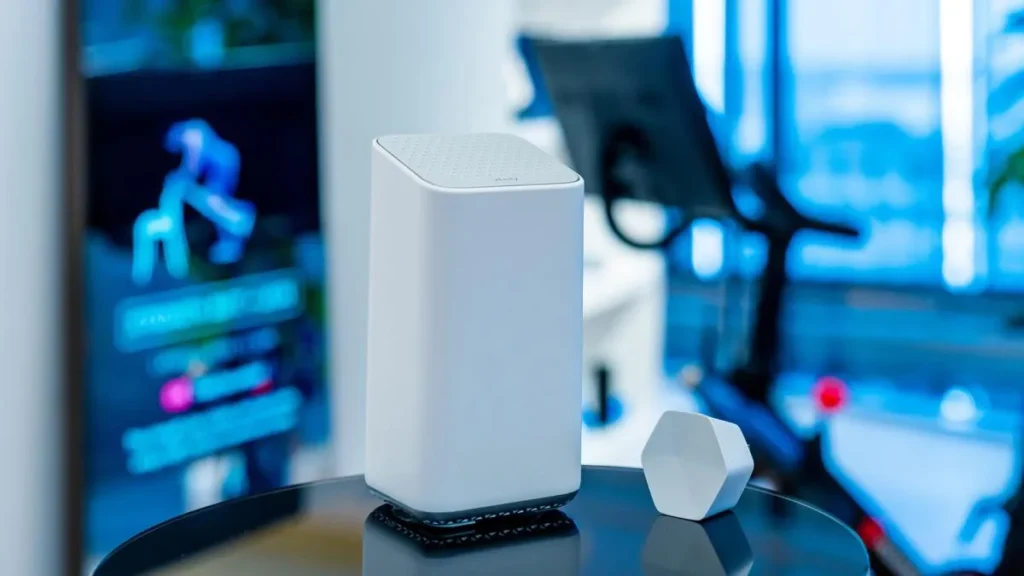
Officially launched last year, Wi-Fi 6 (the newest generation of Wi-Fi) is beginning to find its way onto the market with more and more devices announced. In short, Wi-Fi 6 is the latest update to Wi-Fi technology, and its key characteristic is next generation speeds, like those that will be offered with 10G. Without it, your smartphone, tablet, and laptop wouldn’t be able to take full advantage of the multi-gigabit speeds ISPs are poised to deliver to homes and businesses. At this year’s CES, consumers got the first look at some Wi-Fi 6 devices that were on display. Notably, Comcast announced