
Our Continued Contribution to the Future of Cybersecurity

As the global economy has moved into the digital age, every day we are reminded that the security of our vast digital networks and resources is of utmost importance. The cable industry takes this responsibility seriously and has been working closely with government agencies and other stakeholders to develop responsible protections. One example is our role in the FCC’s Communications, Reliability and Interoperability Council (CSRIC). The goal of CSRIC is to provide recommendations to the FCC to ensure, among other things, that we ensure optimal security and reliability of communications systems
More Fallout from Title II Order: A New Rule That Could Degrade Internet Performance

One of the major concerns with the FCC’s recently adopted Title II order is that it goes far beyond reasonable efforts to ensure an open Internet, and potentially interferes with Internet operational issues that historically have been handled without any government involvement. The FCC hasn’t even published its rules yet, and already we are seeing chatter in Internet circles about FCC engineering judgments and unintended consequences. One example is the wonky topic of packet loss. Buried in the FCC’s announcement is this sentence: “Disclosures must also include packet loss as a measure of
I Support Net Neutrality, But That's Not What The FCC Just Did
Originally published by CNET on February 27th, 2015 The Federal Communications Commission just approved one of the most expansive regulatory actions in the agency’s history. In one stroke, the commission has tainted its independence, radically departed from a decades-old bipartisan national policy of not regulating the Internet and expansively broadened its regulatory power without direction from Congress. On Thursday, the FCC passed Net neutrality regulation that reclassifies broadband as a Title II service, akin to the old telephone network — a sweeping move that has significant regulatory
The Top Five Ways Title II Hurts Consumers

Reclassifying ISPs as common carriers under Title II raises all kinds of concerns, but perhaps none are more important than the potential for Title II to harm everyday broadband users. Here are the top five (or should it be bottom five?) ways Title II hurts consumers: Title II opens the door to FCC micromanagement of rates and practices Although FCC Chairman Tom Wheeler has said there will be “no rate regulation” under Title II, that is not entirely true. The Commission plans to retain authority under section 201(b) of the Communications Act, which gives the agency authority to ensure that all
Michael Powell on Fox Business Discussing Latest FCC Moves [VIDEO]
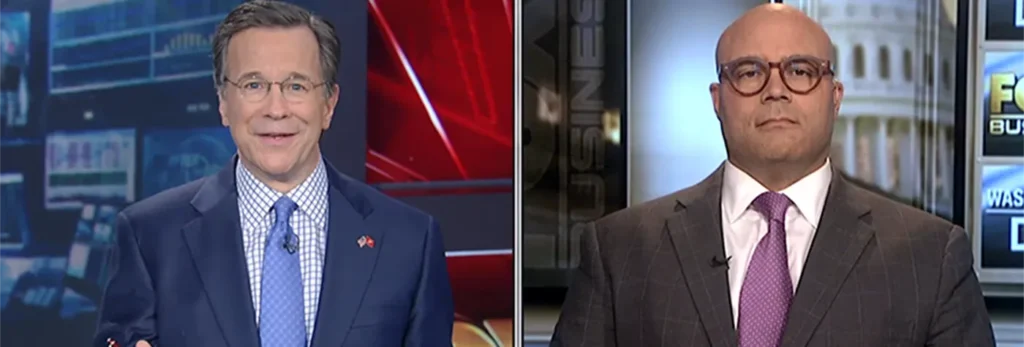
NCTA President & CEO Michael Powell was interviewed yesterday at Fox Business News, discussing the future of the Internet and the FCC’s role in regulating Internet policy. With only days before the FCC votes on its latest net neutrality plan, Michael again addressed the need for better Internet policy. He notes that the Title II solution likely to be adopted by the FCC will lead to years of net neutrality uncertainty – not the sensible rules the Internet needs. See the video here: Obama Administration trying to influence FCC policy on the Internet?
Michael Powell on CNBC Talking About the Future of Internet Regulation [VIDEO]
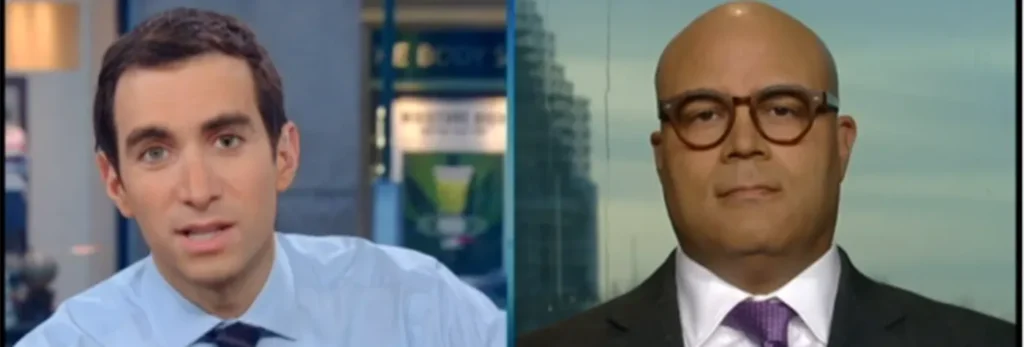
We’re just a few days away from the FCC’s vote on new Internet regulations. NCTA President & CEO Michael Powell was on CNBC’s Squawk Box this morning discussing how the FCC’s proposal is likely to lead to litigation and create years of uncertainty. Powell goes on to say how we can have strong net neutrality protections without the burdens of Title II regulation if Congress can act, delivering a bipartisan solution that works for everyone. See the VIDEO here.
What You Need to Know Before the FCC Votes on Net Neutrality

In April, the FCC issued its draft of proposed rule making on new Open Internet rules designed to replace those struck down by the DC Circuit court in January. Since then, a torrent of conversation and debate has taken place discussing those rules, the concept of net neutrality, broadband policy, and the role the FCC should play in the future of Internet regulation. To be clear, net neutrality is the principle that ISPs can’t block or throttle their customers’ web traffic and they can’t offer paid prioritization – also known as Internet ‘fast-lanes’ – that speed up one website’s traffic over
Powell on C-SPAN Discussing Net Neutrality [VIDEO]
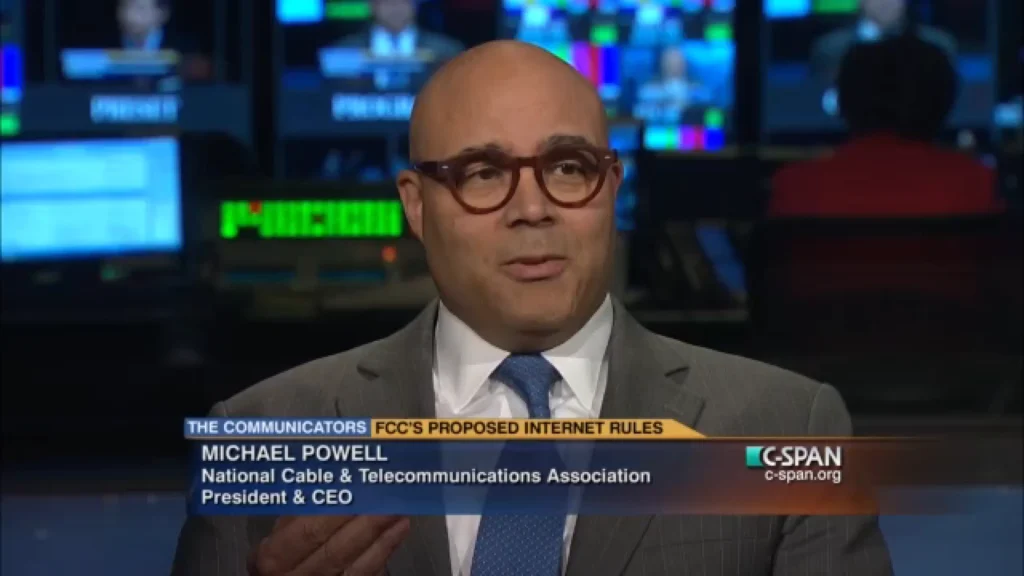
NCTA Chairman and CEO Michael Powell was featured on C-SPAN's The Communicators discussing the FCC's proposed Net Neutrality rules, a history of how we got to where we are, and why Title II is an unnecessary path that will ultimately lead to litigation. Click here to watch the full video. The Communicators airs on C-SPAN Saturdays at 6:30 P.M EST.
Empty Promises: Rate Regulation is Not Dead Yet

FCC Chairman Wheeler’s proposal to regulate the Internet under Title II regulation is a radical shift in policy that will subject Internet access providers to significant and onerous regulation and could well depress investment and innovation. As we learn more of the details, the weight of this impending action becomes more troubling. In the massive 300-plus page order, the Commission is abandoning decades of bipartisan precedent and opening doors to a rash of unintended consequences and risks. Perhaps most disturbing, the FCC is misleading the American public by claiming to forbear from the
Don't Shackle the Internet

Originally published by USA TODAY on February 9th, 2015, featured as an "Opposing View" to the USA Today editorial Net Neutrality is No Government Takeover The Title II public utility approach is the worst possible way to go. USA TODAY may call this an "opposing view," but I agree that we can and should enact strong new net neutrality rules to keep the Internet open and free. So does the entire broadband industry. The only area of difference is in how we enact those rules. The Title II public utility approach, which President Obama recommended and the Federal Communications Commission is