
What Broadband Expansion Strategies Will Lead to Success?
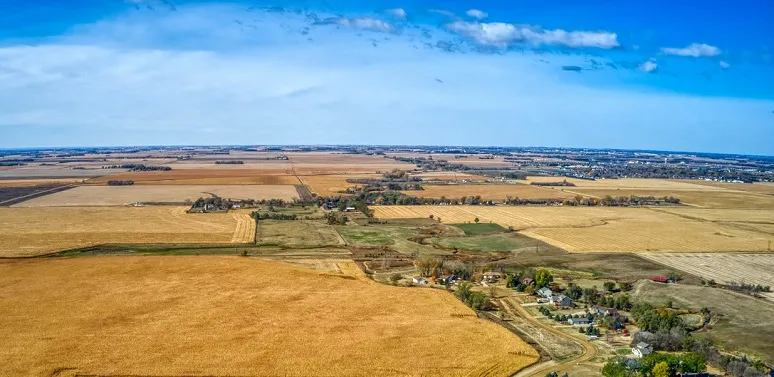
Cable broadband providers deliver high-speed connectivity across the United States, even in remote and hard-to-reach regions. Their ongoing efforts to expand infrastructure and connect as many Americans as possible underscore the importance of gathering insights from industry leaders at the forefront of broadband deployment. Thoughts From an American Broadband Leader: In a Q&A with NCTA, Ben Dold, Midco's Chief Operating Officer, shared his thoughts on broadband expansion strategies that lead to success. Midco serves over 490,000 homes and businesses across Kansas, Minnesota, Nebraska, North
VIDEO: Committed to Getting the Job Done

Inside the tough, hands-on effort to connect every community to high-speed internet.
America’s Expanding Cable Broadband Networks: The South, Part 2

As America targets efforts towards connecting every community to robust broadband – including the distribution of more than $40 billion in federal funds for building new networks – cable providers continue to do what they have always done: build out their networks to reach as many Americans as possible. Here is a small sampling of broadband projects by cable ISPs underway as they prepare to deliver superfast internet speeds in communities across parts of the South. Check out NCTA.com for other projects currently underway in the Midwest, Central U.S., the Pacific West, the Mid-Atlantic, and The
America’s Expanding Cable Broadband Networks: The South, Part 1
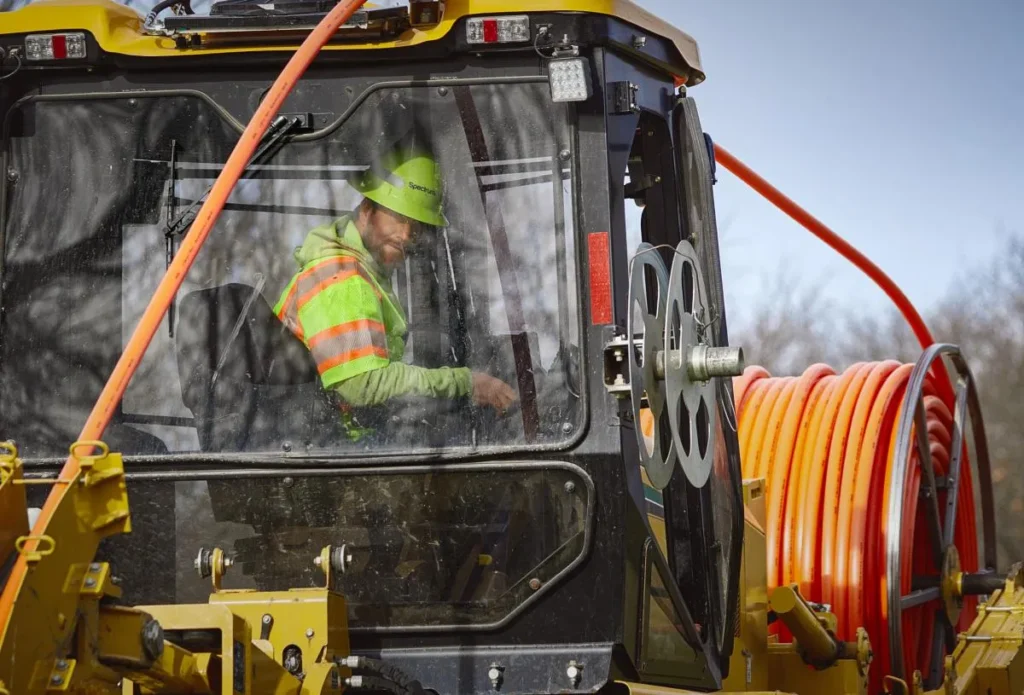
As America targets efforts towards connecting every community to robust broadband – including the distribution of more than $40 billion in federal funds for building new networks – cable providers continue to do what they have always done: build out their networks to reach as many Americans as possible. Here is a small sampling of broadband projects by cable ISPs underway as they prepare to deliver superfast internet speeds in communities across parts of the South. Check out NCTA.com for other projects currently underway in the Midwest, Central U.S., the Pacific West, and the Mid-Atlantic
America’s Expanding Cable Broadband Networks: The Mid-Atlantic

As America targets efforts towards connecting every community to robust broadband – including the distribution of more than $40 billion in federal funds for building new networks – cable providers continue to do what they have always done: build out their networks to reach as many Americans as possible. Here is a small sampling of broadband projects by cable ISPs underway as they prepare to deliver superfast internet speeds in communities across the Mid-Atlantic. Check out NCTA.com for other projects currently underway in the Midwest, Central U.S., and the Pacific West. Maryland Construction
Midco's Commitment to Rural Broadband Expansion
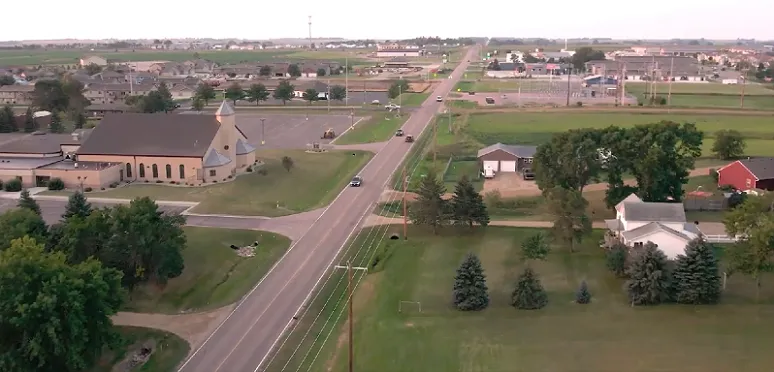
Access to reliable and high-speed broadband connectivity has become essential for communities across the United States. While many urban areas have long enjoyed the benefits of seamless internet access, rural areas have faced challenges in closing digital gaps. Fortunately, companies like Midco are making significant strides in bringing broadband to underserved regions, backed by their expertise, experience, and commitment to the communities they serve. Deep Roots Matter in Rural America Midco, whose footprint spans over 490,000 homes in Kansas, Minnesota, Nebraska, North Dakota, South Dakota
America’s Expanding Cable Broadband Networks: The Pacific West
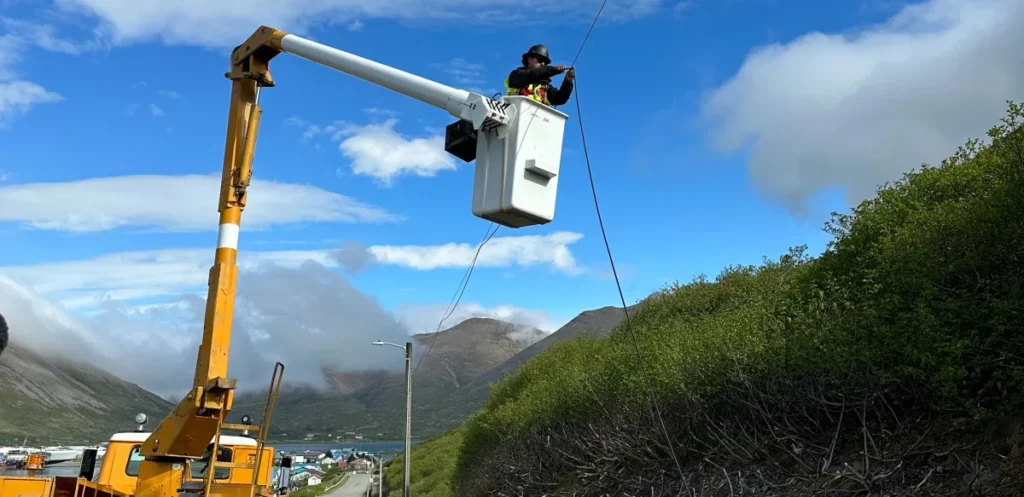
As America targets efforts towards connecting every community to robust broadband – including the distribution of more than $40 billion in federal funds for building new networks – cable providers continue to do what they have always done: build out their networks to reach as many Americans as possible. Here is a small sampling of broadband projects by cable ISPs underway as they prepare to deliver superfast internet speeds in communities across the Pacific West. Check out NCTA.com for other projects currently underway in the Midwest and Central U.S. California Comcast has started construction
An Important Step in Connecting Every American
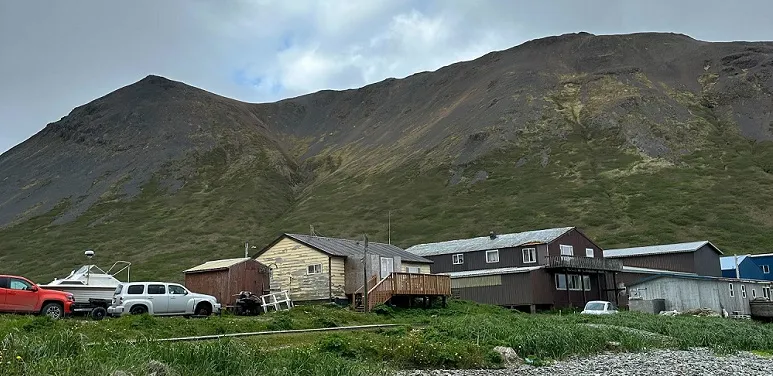
Today, high-speed internet access has never been more important, and cable providers have been working diligently to ensure that every American, especially those in rural areas, can access this critical infrastructure. With state allocations announced today for the $42 billion from the broadband, equity, access and deployment (BEAD) program, the industry looks forward to partnering with federal and state governments to capitalize on this historic opportunity to close the remaining digital gaps in America. How Cable Already Expands Broadband Access to Rural Areas Thanks to a combination of
Cable Delivers High-Speed Broadband to Rural Communities

The recent release of the updated FCC National Broadband Map means that we are one step closer to the distribution of over $42 billion to close the gaps in our country's internet coverage. The FCC data not surprisingly reveals that these gaps exist primarily in rural and remote areas of our country. What the data shows: 8.3 million locations (homes and businesses) are "unserved," which means they don't have access to internet speeds of at least 25 Mbps downstream/3 Mbps upstream. 3.6 million locations are "underserved," which means they have access to speeds of at least 25 Mbps downstream/3
Why Access to Broadband Is Important to Rural America
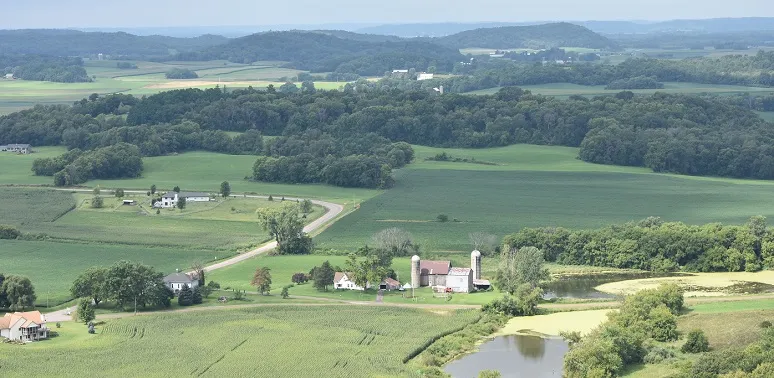
With numerous broadband deployment initiatives and federal funding opportunities on the horizon, America's broadband leaders who are actively involved in bridging the digital divide have the expertise and experience to get the job done. NCTA recently sat down with Midco Chief Operating Officer Ben Dold to learn more about the ways that high-speed connectivity can transform lives in America’s rural communities. Connecting Rural America to Opportunities Midco serves over 490,000 homes and businesses across Kansas, Minnesota, Nebraska, North Dakota, South Dakota and Wisconsin, with some towns