
A Field Technician's View of the COVID-19 Pandemic
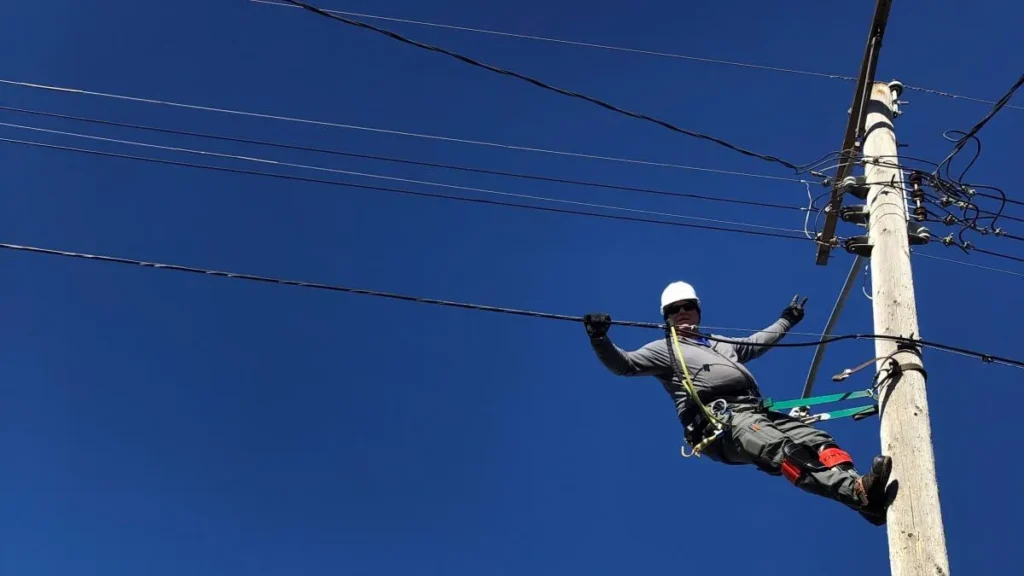
With the COVID-19 pandemic continuing to require millions of Americans to stay home from work and school, our broadband networks are working overtime to provide a critical link in keeping consumers connected. As NCTA continues to report weekly on how cable's networks are managing the surge in internet traffic, it is also worth reflecting on the dedication and effort of those working behind the wires to keep networks ahead of the curve and help consumers in adapting to this unprecedented crisis. One of the most important reasons for our success is the hundreds of thousands of essential
New Data Shows How People Are Using the Internet During COVID-19

Since the COVID-19 pandemic stay-at-home measures began in March for much of the country, viewers in the Americas started watching more streaming video, playing more video games, and using social media more, according to a new report by Sandvine. It might not come as a surprise, but the sudden massive shift in traffic from business networks to home networks also saw a sharp rise in video conferencing platforms like Zoom, in both upstream and downstream traffic according to Sandvine. According to the report, the top 10 sources of web traffic in the Americas were either streaming video, gaming
Supporting America's Schools During COVID-19

Teacher Appreciation Week has looked very different this year with school closures and students isolated at home with their families due to the COVID-19 pandemic. In a lot of cases, kids are receiving classroom online instruction in order to close out their school year. Teachers and schools have gone to great lengths to continue the learning process for millions of students across the country through virtual means, and America's broadband leaders are working on the backend to not only ensure that their networks are meeting their demands, but to give access to those underserved households and
Broadband Performance: A Steady Story of Plateauing Peaks

The digital era has seen many advancements since the dawn of the internet, but never have America's broadband networks shown their mettle as they have during the COVID-19 pandemic. As we've been tracking weekly network performance nationwide, the reports have shown that cable's significant investment in infrastructure and technology upgrades over the last two decades has served consumers well as we increasingly depend on internet access for a wider variety of daily activities. According to the MIT Technology Review, "the covid-19 crisis is driving the biggest expansion in years" when it comes
America's Broadband Leaders Extend Their Connectivity Relief Efforts During COVID-19

Last month, the country's cable broadband leaders came together and made a commitment to help Americans get through this pandemic by signing onto the Keep Americans Connected Pledge. The FCC initiative was started to ensure that Americans and small businesses impacted by the COVID-19 pandemic could continue to access an internet connection. Through this pledge (which extended originally until mid-May), NCTA's broadband members committed to meet the government's pledge by waiving late fees for affected customers, maintaining connectivity irrespective of COVID-19 payment complications, and
Why Cable’s Broadband Network Is Handling the Pandemic and Ready for the Future
With America having shifted to a work-from-home and school-from-home environment for the past several weeks, internet traffic has skyrocketed. This week’s report from our COVID-19 dashboard shows that since March 1 national downstream peak growth is up more than 16% and national upstream peak growth has increased more than 34%, with some regions seeing upstream peak growth approaching a 50% increase. And while peak growth has slowed in recent weeks, the reality is that cable’s broadband networks have seen significant surges in internet traffic growth in just this short period of time. So how
ESPN to Produce First Ever Virtual NFL Draft

Most live sports on TV, with the exception of esports, have all but come to a halt during this tenuous era marked by COVID-19. But ESPN hopes to bring spirits up beginning tonight during its first ever virtual NFL draft. In a combined broadcast with NFL Network, the 2020 draft that was supposed to take place in Las Vegas will now be run remotely, with NFL Commissioner Roger Goodell announcing draft picks from his house. While a limited number of staffers will be working out of ESPN's studios in Bristol, Connecticut—using proper protocol by the CDC and guidance from the governor—everyone else
National Peak Broadband Traffic Has Plateaued
The fourth week of data from the cable industry’s COVID-19 Internet Dashboard continues a familiar pattern: national peak broadband growth (both downstream and upstream) has essentially plateaued. This doesn’t mean that we won’t see some variation in peak demand increases (or decreases) from week to week among certain states and regions, but overall the national pattern is consistent and proves that these networks are more than capable of handling the increased demand that we have seen, thanks to years of construction and billions of dollars in private investment in infrastructure and
Peak Broadband Traffic Continues to Remain Steady
The Hard Work of Keeping Americans Connected to the Internet Today marks week three of NCTA updating the cable industry’s COVID-19 Internet Dashboard, a project that we launched in late March to inform consumers, government agencies, policymakers, and media about how cable’s broadband networks are performing during the pandemic. The dashboard includes aggregated data from cable internet service providers that deliver broadband to tens of millions of homes and businesses throughout America. This week’s data further confirms what we saw last week: that the growth in peak traffic nationally (both
3Q: A Look into Esports with Turner's Jennifer Dill

Esports has become quite the phenomenon over the past couple of years, and its audience is expected to grow even more as mainstream audiences are introduced to the concept of watching professional gamers compete against each other. And, as the much of the world is now spending the majority of their time at home during COVID-19, many people are turning their time and attention to gaming and esports. As cable’s broadband networks become more robust and bring the 10G speeds of the future, programmers like Turner Sports are providing a platform that's rich and exciting for gamers and casual