
How the Biden Broadband Plan Can Accomplish Connectivity for All

By Michael Powell NCTA President & CEO Now that we have had a few days to reflect on the President's infrastructure plan, we want to be clear about how we view it. We share the end goal of the Biden broadband proposal: ensuring that 100% of Americans have access to robust broadband networks. However, such a monumental plan must be properly targeted to achieve our principal national objectives—getting broadband networks built in areas where they don't exist, and modernizing a safety net to help low-income families adopt and afford internet service. Here is what we strongly support. 1. Dedicate
Discovery's Documentary on Pope Francis Issues a Call to Action to all Humanity

When the world's leader of the Catholic Church grants filmmakers unprecedented access to his life, it's a pretty big deal. This week, viewers are getting the opportunity to learn more about Pope Francis and the issues that matter most to him through Discovery's documentary, "Francesco." Released on Discovery+ at the start of Holy Week and just in time for Easter Sunday, "Francesco" is the first of a whole new slate of original programming by the streaming service—which launched in January—and represents the network's new investment towards premium documentaries. At the Television Critics
Observations on Network Performance One Year into the NCTA COVID-19 Dashboard

It's been more than a year now since COVID-19 forced Americans into lockdown and sent many of them straight to their homes to continue their lives online. In their reflections on the one-year anniversary of COVID, chief technology officers from America's leading internet service providers concurred that the ability of their networks to perform so well over the past 12 months, despite significant surges in internet traffic, comes down to several factors. Those include years of investment, planning and looking ahead, combined with the incredible hard work of their employees to accelerate network
Nielsen Data Shows that People Working From Home Are Watching "The Office"

The COVID-19 pandemic has reached its one-year mark across much of the globe. In a year marked by a constant deluge of bad news, political polarization, and pervasive uncertainty, TV and video entertainment provided Americans with a much needed escape. New data from Nielsen calls attention to the importance of TV as a means for Americans to sustain themselves and their sense of community during the COVID-19 pandemic. While certain new releases, like “The Mandalorian” on Disney+, saw spikes during the stay home period, Nielsen data indicates that most viewers sought the comfort of old, familiar
Turner Reimagines March Madness Live to Meet Fans Where They Are

After last year’s disappointing March Madness cancellation due to COVID-19, the tournament is back for 2021 and fans are getting ready for the Sweet 16. Viewers have also been on the receiving end of a whole new entertainment experience this year. Turner and CBS are providing live coverage of all 67 games from the tournament across TBS, CBS, TNT, and truTV. But in addition, March Madness Live (MML)—the NCAA tournament app produced jointly by Turner and CBS—is sporting a new look and design to encourage more interactivity and engagement with viewers. Notably, MML is now available on a record 18
CTOs Share Insights on Network Performance Over the Past Year, Part Two

Last week, on the one-year anniversary of COVID in the United States, chief technology officers from America's leading internet service providers (ISPs) offered reflections on the internet usage trends they observed over the past year and how their networks were able to handle the unprecedented surges in internet traffic. This week, in part two of NCTA's special Q&A series, the CTOs from Charter, Comcast, Cox and Midco relayed the massive undertaking it took to ensure that their customers' new remote needs were met when more people than ever before connected online to continue working
The Asymmetric Nature of Internet Traffic

Since the beginning of the internet, residential broadband traffic has been asymmetric in nature, as users generally receive far more information (streaming for instance) than they send (uploading photos to Facebook for instance). Network engineers early on recognized that residential customers were primarily consumers of information, not producers of information, and designed broadband service to favor this consumer behavior. In fact, over the last decade the average downstream-to-upstream traffic ratio has grown from 3:1 in 2010 to over 14:1 by the beginning of 2019. In 2020, as the pandemic
Boom or Bust: Getting Broadband Infrastructure Programs Right

By Michael Powell NCTA President & CEO Congress is going big on broadband. It has appropriated more than $20 billion to spend on broadband in just the last several months. That is a huge amount compared to past efforts, equating to almost 25% of the annual revenues of the entire fixed broadband industry. And, in the wings is an infrastructure bill that could deliver another whopping $100 billion in spending. These efforts are certainly welcome. The pandemic has amplified the importance of broadband infrastructure and accelerated the urgency of getting all Americans connected. Broadband have
On COVID Anniversary, CTOs from America's Leading ISPs Reflect on Network Performance

One year ago, the entire world practically shut down when the COVID-19 pandemic became widespread. In the United States, lockdown orders went into effect and millions of Americans turned to the internet for telehealth visits, remote work and virtual schooling. It was then that broadband showed its true power to connect people during a time when more people than ever before went online to continue their lives in the only way they knew how. Fortunately, cable internet service providers (ISPs) had planned ahead to ensure that their networks had the capacity to withstand the significant spike in
OWN's New Show, 'Delilah,' Reflects the Realities of Many Black Women
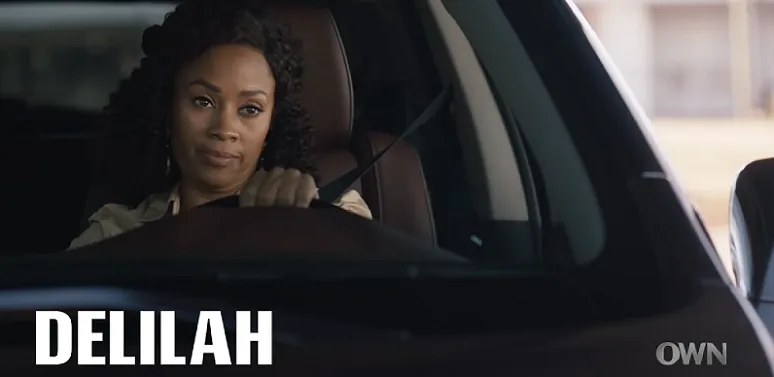
The premiere of the Oprah Winfrey Network's (OWN) show, "Delilah," could not have come at a better time as Americans celebrate Women's History Month and as the country continues to go through a reckoning over racial and social injustice. The first episode of the legal drama aired earlier this week and spotlights a Black female lawyer, Delilah, who seeks justice at every turn while simultaneously juggling family and personal responsibilities. A focus on strong Black female characters has always been a priority for Oprah Winfrey and her network, as Creator & Executive Producer Craig Wright