
AMC's Shudder Spotlights Black Horror in New Anthology as Halloween Approaches
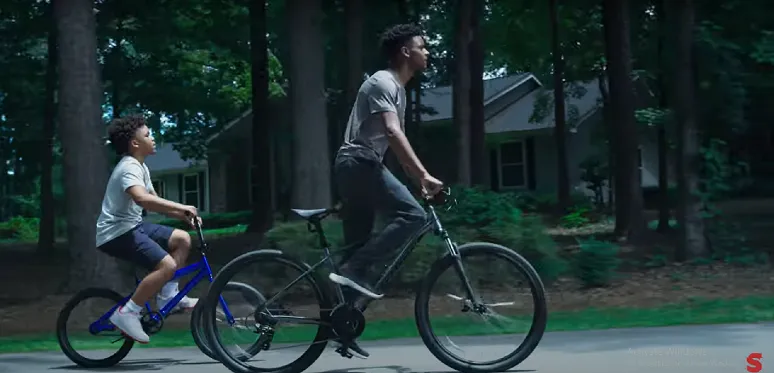
With Halloween just around the corner, the horror genre is getting its time in the spotlight as viewers have a plethora of scary TV programming to choose from. AMC Networks stands apart in this category with its menu of slasher and horror shows, giving audiences the shrieks and thrills they crave during this time of year. Not only is AMC Networks the home of the fan favorite, "The Walking Dead," the programmer also hosts FearFest, an annual horror marathon featuring over 680 hours of iconic horror films and shows. But this year, AMC Networks is also debuting a new anthology, "Horror Noire,"
As Inflation Rises for Most of the Economy, Internet Prices Decline

The COVID-19 pandemic has disrupted supply chains and consumers have seen price increases on many goods. In fact, the Bureau of Labor Statistics recently released its Consumer Price Index (CPI) for the month of September which showed that, as compared to September 2020, overall prices for consumers increased 5.4%. However, the real price of internet services fell 2.6% in September as compared to last year. In other words, while much of the economy has seen significant prices increases, internet price changes are at rates below many other important goods and services purchased by consumers. As
TV Stats: HBO’s “Succession” By The Numbers

This weekend, fans of the smash hit “Succession” on HBO will be rewarded with the long-awaited premiere of the show’s third season. The series follows the adult children of an extravagantly wealthy family as they compete for control of their aging father’s media empire and has inspired remixes, memes, think pieces, and a few viral videos. Even for those who aren’t regular viewers, “Succession” is just one of the many award-winning shows currently available on cable TV networks. After the show’s second season premiered in 2019, it drew an average audience of over 4 million for each episode
Announcing: The 10G Challenge
At this year’s SCTE Cable Tech Expo, during the “The Path to 10G” panel, the CEOs of NCTA, CableLabs, and SCTE (Michael Powell, Phil McKinney, and Mark Dzuban, respectively) announced the launch of the 10G Challenge—an invitation to technology leaders, start ups, entrepreneurs, engineers, and more—to develop new technologies, services, and applications that make the most of a next generation 10G network. Submissions are due by July 1, 2022, and winners will be notified later in the year. The 10G Challenge will be broken into different categories in the same way that the 10G initiative has
Selma Blair Shines in New Documentary about MS on Discovery+

Americans have a 3.5 in 1,000 chance of developing Multiple Sclerosis, according to the MS Association of America. A few Americans might personally know someone afflicted with the condition, but for many the reality of MS is far out of mind. But if Selma Blair has her way, by the time her new film on discovery+ is viewed by audiences across the country, more Americans than ever before will have an intimate look at life with the disease. “Introducing, Selma Blair” takes an unflinching look at the actress’s struggle during a relapse of her MS, bringing cameras into her most painful and personal
Powell at Diversity Week 2021: Our Wellbeing is Inextricably Intertwined
Every autumn, the cable industry usually converges in Manhattan to discuss and advocate for practices that further diversity and inclusion across the media and entertainment landscape. While COVID-19 may have forced the activities of Diversity Week to go digital for a second year in a row, nothing could get in the way of the efforts that contribute to this important work. Last night, NCTA President and CEO Michael Powell delivered an address at the Walter Kaitz Foundation’s Virtual Gathering, the event that this year replaced the traditional in-person fundraising dinner in Time Square. Powell
The Cable Industry Comes Together Virtually to Champion Diversity, Inclusion, and Belonging

Every year for the past several decades, the cable industry has held Diversity Week—a time for cable operators and TV networks to discuss and advocate for practices that further diversity and inclusion across the media and entertainment landscape. Although the pandemic has prevented another in-person gathering in New York City this fall, the industry continues its mission this week to engage in meaningful discussions around diversity, equity, inclusion, and belonging through virtual panels and conversations via the WICT and NAMIC conferences, and culminating with the Walter Kaitz Foundation's
Cable TV Networks Strive to Elevate the Hispanic Community
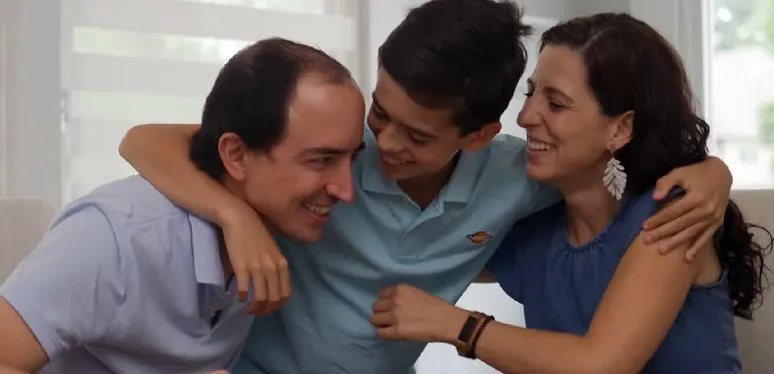
In honor of Hispanic Heritage Month, which began on September 15 and runs through October 15, cable programmers have launched initiatives aimed at lifting the voices of the Hispanic community and raising awareness around the importance of embracing diversity and inclusion in every facet of American life. Cable TV networks work year-round to use their large reach and influence to better educate and inform millions of viewers about the different cultures and ethnicities that make up America. During Hispanic Heritage Month, the cable industry joins the rest of the country in recognizing and
Broadband Stats: Rural Infrastructure
These days more Americans are working and learning remotely than ever before, a trend accelerated by the pandemic. That trend is not limited to professionals in large urban centers. Thanks to years of investment and hard work, rural and far-out communities are connected to the high-speed networks that facilitate virtual work, school, and entertainment. Despite the harsh conditions, Alaska’s Aleutian Islands in the Bering sea are currently being connected by 800 miles of undersea fiber cable. The project will bring gigabit speeds to remote arctic communities as well as the country’s largest
FOX Sports Points its Cameras on Congressional Baseball Game

Tonight, members of Congress take the field as the Congressional Baseball Game returns. A bipartisan event that has taken place since 1909, the game was cancelled last year due to the COVID-19 pandemic and was delayed this year until the fall, which means fans are all the more excited to see the tradition resume this evening at Nationals Park in Washington, D.C. The game also serves as a huge fundraiser for charity, supporting local causes including The Boys & Girls Clubs of Greater Washington and The Washington Literacy Center. In a brief Q&A with NCTA ahead of the game, FOX Senior Vice