
Celebrating Disney's Magic on TV
Disney celebrates its 100th anniversary this week, and since its inception in 1923, Disney has evolved from a fledgling animation studio to a media conglomerate. Within this journey, the Disney Channel and Disney Junior have played a pivotal role in shaping the entertainment landscape. Here is a closer look at the beloved TV programming that remains an integral part of Disney’s legacy. The Disney Channel Launches In 1983, the Disney Channel made its debut as a premium cable channel, offering family-oriented programming. Iconic Original Programming Disney Channel introduced early classics like
Insights from SCTE's Mark Dzuban: The Cable-Tec Expo's Role in the Industry

With the 40th annual SCTE Cable-Tec Expo currently underway in Denver, NCTA recently caught up with SCTE President and CEO Mark Dzuban, who shared valuable insights into the cable industry's ongoing transformation and the role of the SCTE Cable-Tec Expo in helping to shape its future. An Evolving Industry and Expo The collaboration throughout the industry is very unique, noted Dzuban, who started his career in cable back in 1968. "To survive, we’ve had to be agile, because technology moves so fast. So if you look at what Expo was in the very beginning 40 years ago, it was all of the technical
Americans Remain Highly Satisfied with Home Internet Service

Americans rely on and trust that their home broadband service will perform without a hitch at any time of day and keep them safe online, according to a new Morning Consult study commissioned by NCTA. In fact, 85 percent of American adults rate the overall quality of their home internet service as positive, and specific tested aspects remain equally high. Overall consumer satisfaction with home internet has improved since 2019, a recognition that the marketplace has seen ongoing investment and innovation, increasing competition, and significant increases in speed, capacity, and reliability year
Lifetime's 'Stop Breast Cancer for Life' Campaign Aims to Empower Women

October is Breast Cancer Awareness Month, and as new breast cancer screening recommendations emerge this year, Lifetime has once again taken the initiative to highlight the importance of individualized screenings and early detection in the fight against breast cancer. The network's annual "Stop Breast Cancer for Life" campaign partners with the Breast Cancer Research Foundation (BCRF) and prominent figures to spread awareness and empower women to prioritize their health. A Long Time Supporter Breast cancer has become the most commonly diagnosed cancer globally, making up 12% of all new cancer
Shaping Tomorrow's Broadband Landscape: NCTA at the 40th SCTE Cable-Tec Expo

The 40th SCTE Cable-Tec Expo commences next week in Denver, and this year the conference will feature a slew of NCTA leaders who will discuss the latest innovation advances and key challenges facing the industry. Take a look below at the critical issues that NCTA, cable broadband experts and engineers will explore at the largest cable tradeshow in the Americas. 10G and Emerging Technologies On Wednesday, CableLabs President and CEO Phil McKinney and NCTA President and CEO Michael Powell will kick off the General Session by reflecting on the path to 10G, emerging technologies, and the industry
How the Cable Industry Powers the American Economy
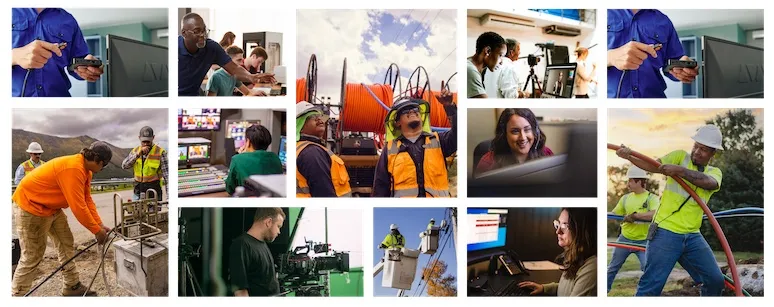
With a national infrastructure that spans most of the country, combined with hundreds of thousands of workers who deliver a suite of digital services and create award-winning content that entertains, inspires and informs, the U.S. cable industry is a vital contributor to America’s economy by generating hundreds of billions of dollars in gross domestic product (GDP). Those conclusions come from an economic analysis recently conducted by Oxford Economics which NCTA commissioned. Cable's U.S. operations provide video and high-speed internet to 85% of U.S. homes and offer access to 200+ TV
'Dark Winds' and Indigenous American Representation on Screen

Indigenous Peoples' Day is a time to commemorate and celebrate the histories and cultures of Indigenous people across America, but cable TV networks strive to honor these communities year-round through their diverse storytelling on screen. Promising developments have emerged on TV over the past few years to increase the representation of Indigenous Americans and to tell their stories as authentically as possible. One of those developments includes FX Networks' comedy series, "Reservation Dogs," which broke the mold over its phenomenal three-season run. But another show, just renewed for its
The Cable Industry's Ongoing Commitment to Digital Inclusion
Digital Inclusion Week, spearheaded by the National Digital Inclusion Alliance, serves as a reminder of the ongoing efforts to ensure that all people have access to high-speed internet connectivity. In honor of the week, here are a few ways that the cable industry continually works towards bringing broadband access to as many people as possible through investments, buildouts, partnerships, community programs, and through its long-term commitment to digital inclusion for all. Expanding Infrastructure One of the primary ways cable providers contribute to digital inclusion is by continuously
New Study Shows Shared-Spectrum Benefits Government, Taxpayers, and Business

As regulators look to address the growing demand for spectrum on crowded airwaves, a new analysis from The Brattle Group shows a shared-use spectrum model (like the CBRS model) delivers more economic value than exclusive licensing, while allowing incumbent users like the Department of Defense to continue national security operations. The number of internet-connected devices has grown dramatically over the years, and with more devices coming online each day, as well as the shift to increased spectrum use by consumers in the home and businesses for private 5G, the need for an updated model of
Broadband Stats: Greening Network Equipment

Consumers continue to benefit from energy-efficient standards voluntarily set by broadband providers and manufacturers of small network equipment. Since the program began in 2015, the equipment used in homes around the country to connect to the internet has used less energy, saving consumers money and reducing emissions of greenhouse gasses.