
Don't Shackle the Internet

Originally published by USA TODAY on February 9th, 2015, featured as an "Opposing View" to the USA Today editorial Net Neutrality is No Government Takeover The Title II public utility approach is the worst possible way to go. USA TODAY may call this an "opposing view," but I agree that we can and should enact strong new net neutrality rules to keep the Internet open and free. So does the entire broadband industry. The only area of difference is in how we enact those rules. The Title II public utility approach, which President Obama recommended and the Federal Communications Commission is
How Do Internet Speed Tests Work?

Internet speeds are exponentially increasing year after year – the Internet we surf today is orders of magnitude faster than it was in 2011. In fact, cable is now delivering up to a gigabit per second in some regions. Even with fast Internet, at some point you might want to check up on your delivered speed and see where your own Internet connection clocks in on the speed spectrum. But if you were to check on one website and then again on another, you might see some discrepancy. That was certainly our experience. We tested our office connection using speedtest.net and got the following results
Countdown to INTX: 3 Months! [VIDEO]
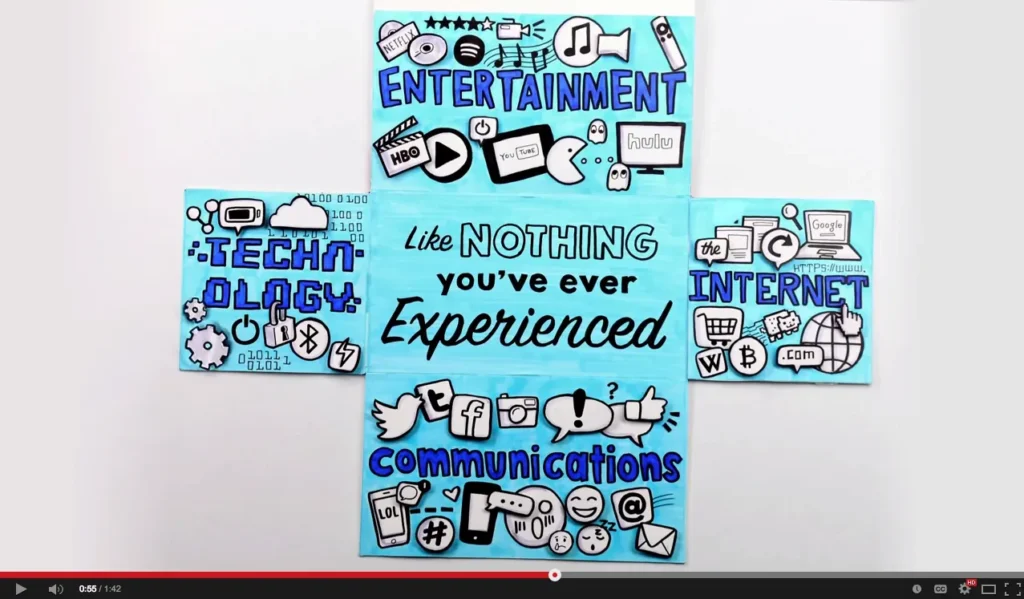
Say hello to INTX: The Internet and Television Expo, debuting May 5-7, 2015 in Chicago. INTX will host the best in Internet and TV, a mash-up at the crossroads of entertainment, communications, and technology. The reimagined exhibit floor, the INTX Marketplace, will be bigger and bolder than ever before. The new INTX Intersections will comprise the very latest in TV Everywhere, the Internet of Things, navigation, gaming and streaming media. INTX Talks: Conversations & Perspectives will bring new voices to the show. With our exciting Re/code partnership, Kara Swisher and Peter Kafka will
Redefining Online Safety

More than two decades have passed since the concept of “online safety” first reached prominence in the national consciousness. Our online behaviors and activities, and those of our children, have changed drastically since then. Today, wireless Internet-enabled devices not only allow children to consume media content while on-the-go, but also provide them with the tools to become sophisticated content creators. In response to these changes in the digital landscape, our friends at the Family Online Safety Institute (FOSI) have recognized the need to redefine what online safety means in today’s
FCC's New Broadband Definition Fails Everyone

Right now in the United States, tens of millions of consumers are using the Internet to search for a job, do homework, plan travel, buy shoes and stream live video content. These consumers are accessing the Internet through wired and wireless broadband connections of varying speeds. Over time, the number of people using broadband consistently has increased, as has the speed of the connections they use, regardless of technology. Sounds like good progress, right? Most people would say yes, but apparently the FCC views the situation differently. Later this week the agency is set to issue its
Behind the Numbers: 156,786,482

An IP (Internet Protocol) address is a unique string of numbers labeling each web-connected device with name and location information. Every single digital device – printers, web-connected TVs, and anything else that connects to the Internet – gets an IP address. So it’s fair to say that the country with the most number of unique IP addresses is also one of the most digitally connected countries. We’re pleased to say the United States tops the world for the most unique IP addresses. This is no accident. The US has one of the most widely accessible, robust broadband networks on earth. Not only
Tomorrow's Congressional Discussion on Net Neutrality

Tomorrow there will be two important hearings on Capitol Hill calling on technology and communications experts to discuss the future of broadband regulation. The hearings will consider a new draft bill that would codify core principles of network neutrality into law – ensuring Internet openness by prohibiting Internet blocking, throttling, and paid prioritization along with transparency of business practices. At the first hearing, before the House Energy and Commerce Committee, NCTA President and CEO Michael Powell will testify while Tom Simmons, Senior Vice President of Midcontinent
Preview The State of America’s Broadband Ahead of President Obama’s Visit to Iowa

On Wednesday, President Obama will visit Cedar Falls, Iowa, a small town about two hours north of Des Moines. If reports are correct, he’s going to Iowa to preview a new broadband initiative that he intends to propose in his upcoming State of the Union speech. So it seems like a good opportunity for us to take stock of the current state of broadband and how we might connect more Americans to fast broadband networks. Over the last two decades, America’s cable providers have invested over $230 billion to extend and upgrade fast broadband connections to communities large and small, urban and
The Internet of Things at CES
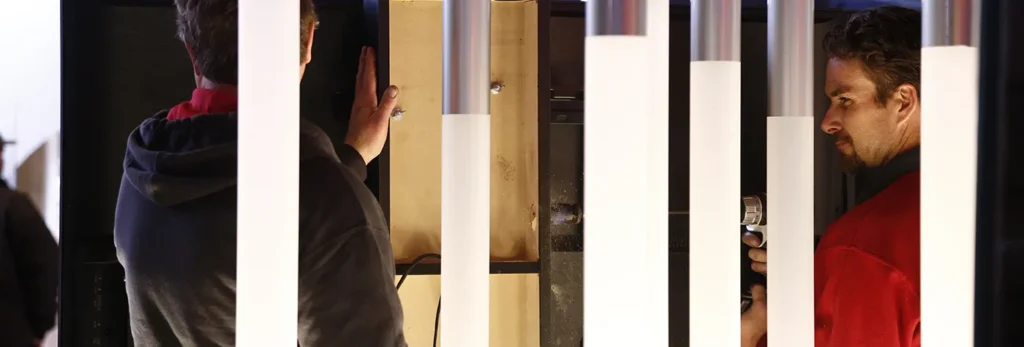
As predicted, the Internet of Things was a major theme at CES 2015. The sheer number of connected gadgets, objects, applications and unifying platforms was as overwhelming as it was exciting. We were inspired by everything we saw, so here are a few thoughts on the present – and future – of the Internet of Things. Making Everything Smarter With over 3,600 exhibitors covering 2.6 million square feet, standing out at CES is an incredible challenge. But one that really stood out of the crowd was Samsung’s SmartThings. This exhibit was by far one of the coolest, most practical and relatable IoT
My TV is Smart and It's Getting Smarter
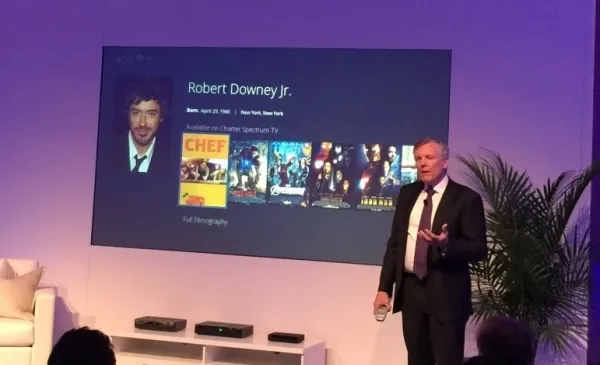
For years, the promise of smart TVs has been touted at the annual Consumer Electronics Show. We’ve been promised a future of TVs that can integrate programming across all platforms, and manage linear programming and web streaming services seamlessly. A TV that will both be able to access the Internet with ease and make watching TV better. We don’t have that TV now. But if CES 2015 is any indicator, we’re getting much closer. A few stops on the show floor provide reason for optimism. At Panasonic, their usual collection of physical technology, everything from televisions to airline radars, is