
Timeline: The Impressive Rate of Broadband Deployment And Adoption In America

After Big Wins at Creative Arts Emmy's, Cable Looks to Primetime Emmy's
Last week the Television Academy presented the 2015 Creative Arts Emmy Awards, honoring the many artists and craftspeople behind the scenes who create amazing television experiences. Cable programs captured 59 percent of the Creative Arts Emmy Awards, not only confirming that some of the greatest television is happening on cable, but also acting as a precursor to this Sunday’s big event: the 67th Primetime Emmy Awards. When nominations were revealed in July, we pointed to cable’s impressive 315 nominations – more than half of the total available. This is extra impressive as new programming
Cable Prepares for Next Week’s Superstar, Pope Francis

The Emmy’s might be coming up this weekend, but Pope Francis is sure to steal the stage as cable’s superstar starting early next week. The Pope will begin his trip to the United States on September 22nd, going through the 27th and will hit Washington, D.C, New York, and Philadelphia. Thanks to our highly connected society, millions of people will be along for the journey, in person and over television sets, computer screens, iPhones and social media platforms, and especially on cable networks nationwide. In addition to the many national news and religious networks that will be broadcasting the
Don't Hit Rewind on TV Revolution

Originally posted on September 15, 2015 in USA TODAY as an opposing view to this USA TODAY editorial. A government effort to power up a cable box market is backward looking. USA TODAY regularly writes about how online video is transforming the TV experience, allowing consumers if they wish to “cut the cord.” The marketplace has attracted lots of innovative and well-heeled companies to the video business. Netflix, Amazon, Hulu, Apple TV and Roku are now firmly established video offerings. The result is invigorated competition and expanding choices for consumers. What screen we watch TV on also
Choice in Cable Programming Means Diversity, Inclusivity, Flexibility

As temperatures begin to cool, we’re ready for another round of television premieres. What used to be a tiered premiere schedule with broadcast followed by cable networks is now a year round high-quality television bonanza. Too busy these next few months while starting that new job? You can catch up on the fourth season of Homeland in the new year when you’ve settled in a bit more. Not ready to make the emotional commitment and focus that some of those heavily scripted dramas require? Perhaps you’d rather sit back and have a few laughs by going back and re-watching past episodes from South
A Peek Behind Cable’s $1 Billion in Charitable Donations

The cable industry is integral to helping charities and non-profit organizations gain enough momentum to make an impact. Last year, contributions totaled more than $1 billion in industry cash, in-kind donations and public service announcements in 2014, with both cable operators and program networks included. A few of the initiatives which the cable industry was involved in include: closing the digital divide through low-cost and discounted broadband services and digital literacy classes for those who need it most; training and supporting military veterans; encouraging students to participate
Is Tim Cook Right? Are Apps the Future of TV?
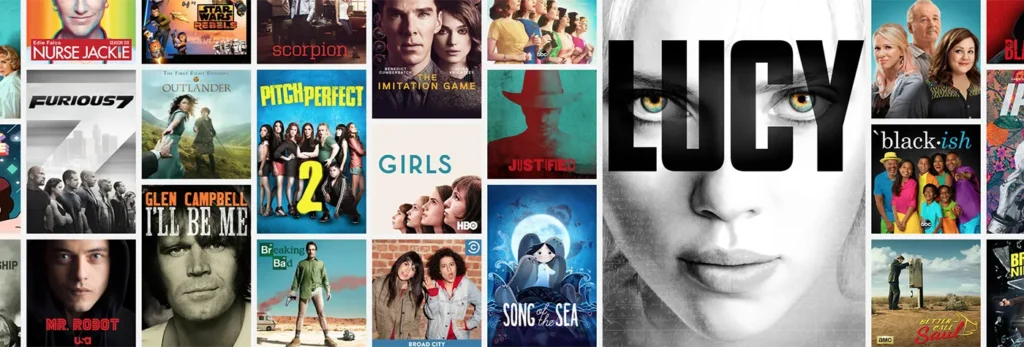
Yesterday, to the fanfare of cord cutters and yes, even cord lovers, Apple announced its first update to the Apple TV in three years. The new Apple TV looks similar to the old device, a slim black box, but the new one boasts better guts, a faster processor, a sleek new remote, voice command capabilities, and perhaps most importantly, access the new tvOS App Store filled with specialized Apple TV apps. Though Apple CEO Tim Cook may have delivered a bit of puffery and salesmanship for the sake of the press event (after all, Xfinity’s X1 already offers voice command), the new Apple TV through its
Keeping Bullies Out of Unlicensed Spectrum

We’ve all come to love Wi-Fi because it’s so easy to access, so easy to use, and so widely available. But thanks to a new technology called LTE-U, this could change. The unlicensed spectrum that Wi-Fi uses works so well because Wi-Fi and all of the other technologies utilizing it (think garage door openers and baby monitors) all follow politeness rules. They listen out for each other’s signals and take steps to avoid interference. These rules aren’t set in stone – they’re generally agreed upon because everything works better when everyone cooperates. But LTE-U, which also relies on unlicensed
Labor Day Is the Perfect Time to Celebrate Cable’s Impact on America’s Workforce

As Americans look forward to the Labor Day holiday, we wanted to take a moment to celebrate the cable industry’s contribution to our country’s economy and workforce. Behind the fascinating storylines and celebrities we watch on our favorite cable programs, and behind the speed of which we can stream those stories on our tablets or watch them on our television sets at home, are the employees who work hard every day to deliver these great experiences. We released a study yesterday that shows how the cable industry is contributing to the health and vitality of America’s economy and is one of the
With 2.7 Million Jobs, Cable Industry Boosts U.S. Economy

This summer’s volatility in the U.S. stock market is causing lots of anxiety about the impact of a global slowdown on the U.S. economy. A natural result of this fear is even more scrutiny of U.S. job growth and other domestic economic metrics. That is why we are proud to report that the U.S. cable industry has added jobs and continues to have a significant positive impact on the national economy. A new report from the Bortz Media and Sports Group shows that the U.S. cable industry supports 2.7 million jobs representing a total economic impact of more than $386 billion. Since 2002, cable