
Four Reasons Why the FCC Set-Top Box Proposal Won’t Work

During a time when the worlds of technology, media and television are colliding and undergoing constant change and delivering exciting new services, you would think the government would focus its efforts on areas that truly need fixing. That’s why it is so puzzling that the FCC finds it necessary to propose a complicated and backwards-looking set-top box mandate that has unleashed a torrent of criticism from a significant (and growing) coalition of diverse voices. After all, the entire TV ecosystem is moving away from a hardware-centric world and into one that relies on apps and IP connected
Top Five Moments at #INTX2016 + VIDEO
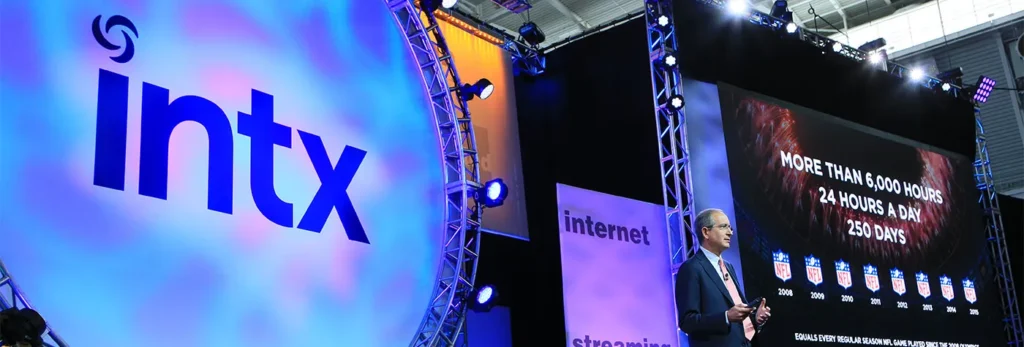
With INTX 2016 now in the books, we can sit back and reflect on some of the exiting, surprising, even profound moments that took place this year in Boston. To help put it all in perspective, we’ve pulled our five favorite moments from the show. These are the snapshots that best embody both the spirit of INTX as a whole and this year’s theme “disruption.” NCTA President and CEO Michael Powell’s Keynote Address Today is a time of transition for the television and Internet community. Powell encapsulates this reality in his keynote, in particular during this clip where he acknowledges the horizons
LeVar Burton Concludes INTX 2016: The Best Content Out There is Found on Cable
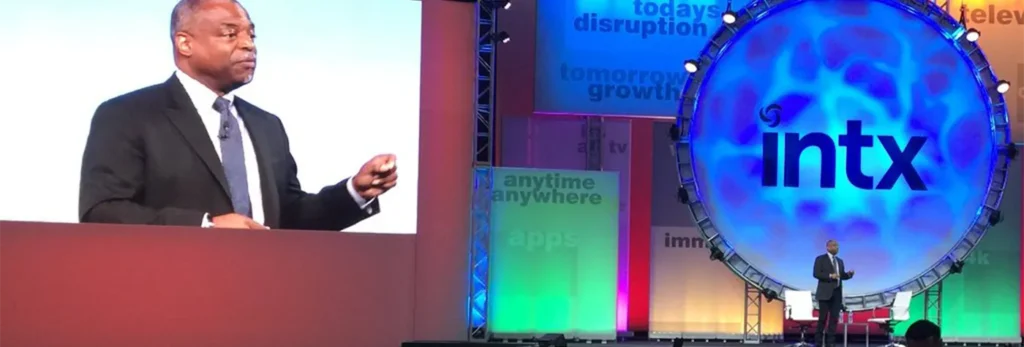
If there’s one big concept to take away from INTX this year, it’s that there is more opportunity and flexibility for creativity in the technology, media and entertainment marketplace than there has ever been before. LeVar Burton, who took to the stage during the closing general session of the conference to talk about his involvement with the remake of Roots, set to debut on Memorial Day, said it best when he paid tribute to A&E and the History Channel for allowing this type of opportunity to take place. “I know that the best content being created in this new renaissance of TV, the best work in
Imagine Park Puts Facial Recognition and Machine Learning on Display
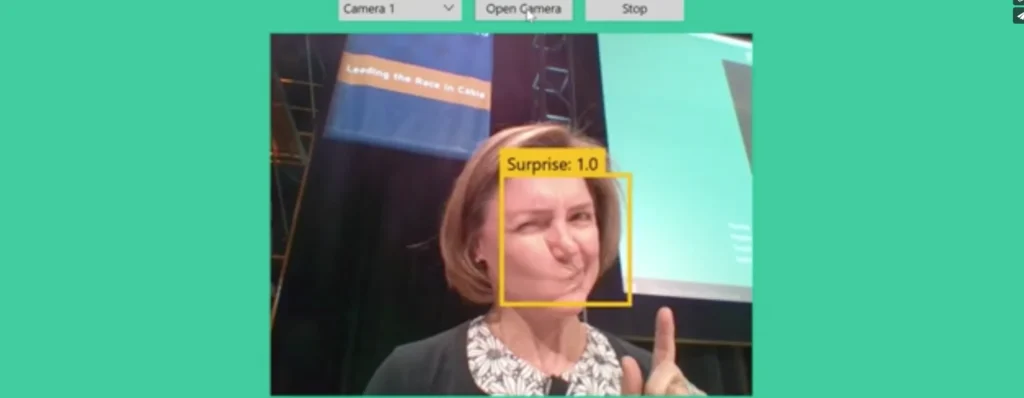
You might remember when last year your Facebook newsfeed was flooded by people posting their results from a “guess my age” tool Microsoft unveiled. Microsoft was showing off machine learning, meaning technology that allows a computer to identify trends and make predictions based on aggregate data. The point was to give an example to developers about the wide range of applications machine learning can have. Microsoft’s Sara Spalding stopped by INTX’s Imagine Park today to talk about how machine learning can innovate and potentially disrupt the user experience game. Facial and visual recognition
Mashable, Periscope Talk Competition and Live Content at INTX
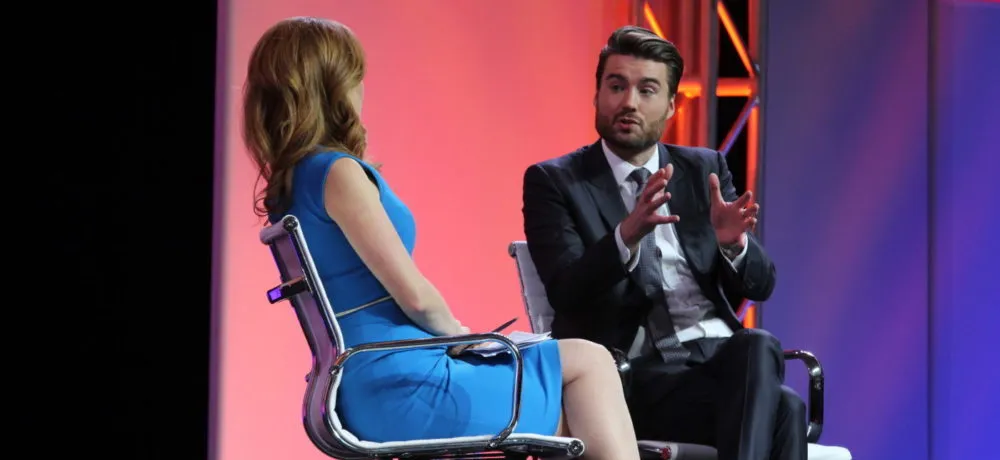
“It’s a great time to be a content creator,” said Mashable CEO Pete Cashmore during Tuesday’s general session at INTX. Cashmore addressed the audience from the main stage along with other big “disruptors” in the technology and television space, and described the new media landscape as being more “data-driven” and competitive than ever. CEO of AT&T Entertainment Group John Stankey’s message was also clear when he said the industry was at a vibrant point in time. “There’s a lot of competition, a lot of value out there. That seems to be the winning combo,” said Stankey. Then there was FanDuel CEO
Set-Top Boxes, Apps, and the Future of Entertainment
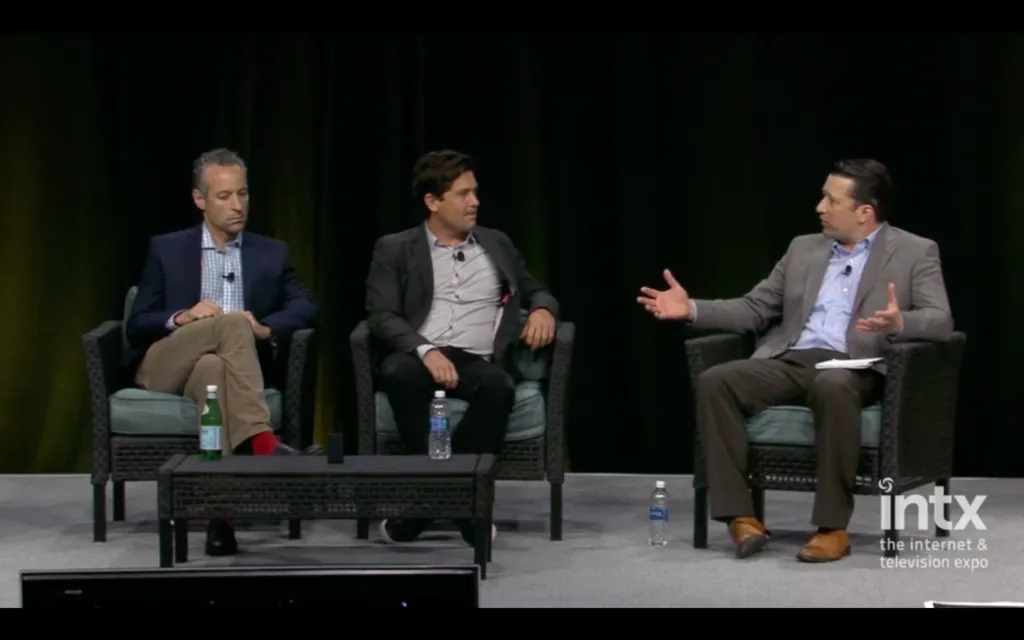
There’s been a lot (and I mean a lot) of talk lately about the set-top box. Through it all, we can see clearly that television delivery is moving in a completely new direction at rocket speed. With the inevitable switch in content distribution as the backdrop, Stephen Goldstein, VP of Business Development & Marketing at Samsung and Andrew Ferrone, VP of Pay TV at Roku stopped by Imagine Park today at INTX to talk about “Entertainment’s Apptastic Future.” Roku has started partnering with cable companies like Time Warner, Charter, and most recently Comcast to use their devices as an alternative
TED at INTX: Innovators Disrupting and Defying the Odds
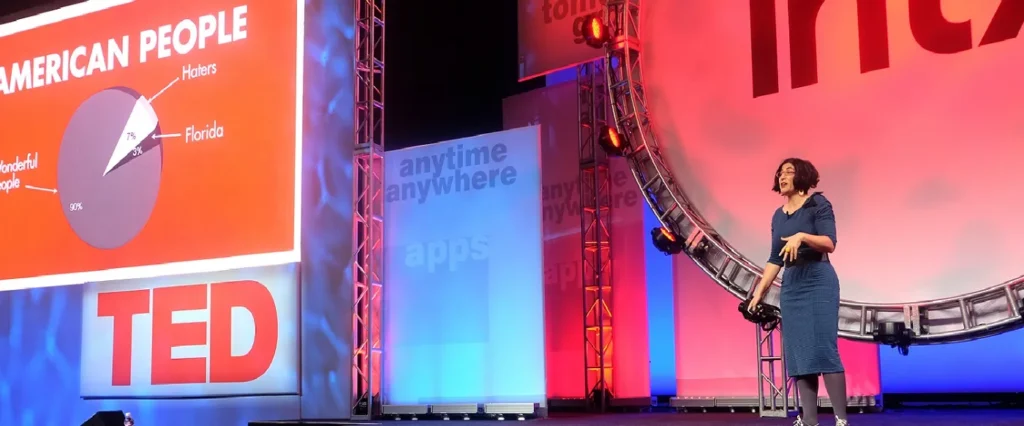
You could say the big “disruption” of the morning came when TED opened up the second day of INTX with four speakers who are shaking up the landscape around them. In classic TED-style presentations, a crowded room heard not only about how each of them got their start and the blood, sweat and tears that is often involved in launching something new, but about the importance of thinking differently, or unconventionally, when finding solutions to societal problems—and the fearlessness that’s needed to “disrupt” tradition in order to change the world. Comedian Negin Farsad, who was named one of the
New Digital Media Stars and the Phenomenon Behind Their Success
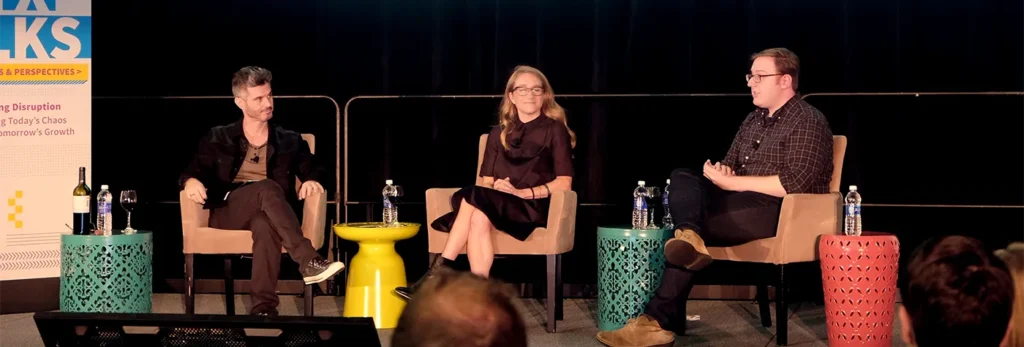
Kids and their videos these days. They’re all over the place, on Instagram, Snapchat, Facebook–those bite-sized pieces of entertainment that go viral and have everyone talking. Roll your eyes all you want at those kids, but the greatest “aha” moment in the Internet and television world is that there’s actually a strategy behind the creation and success of a lot of these digital media stars, said Evan Shapiro, Executive Vice President of NBCUniversal during a late afternoon session at INTX. Shapiro kicked off an hour-long conversation with Whistle Sports Director of New Channel Partnerships
The Future of Live Broadcast News in an On-Demand World
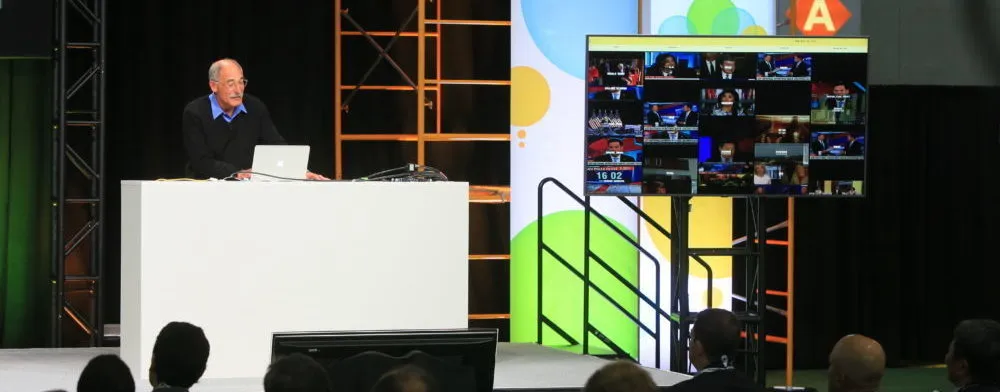
As NCTA President & CEO Michael Powell noted in his opening remarks to #INTX2016, every screen is now a television. That’s a double-edged sword. As more opportunities exist to consume video everywhere, the concept of traditional broadcasting is in upheaval. Entertainment programming has started to respond to this disruption rather successfully with shows like “Fargo” or “True Detective,” which take a cinematic approach to television. “[Entertainment] television is becoming more like the movie business,” Andy Lippman, Associate Director of the MIT Media Lab, said today at the opening talk in
‘Disruption’ in Boston: NCTA’s Powell Kicks off INTX 2016
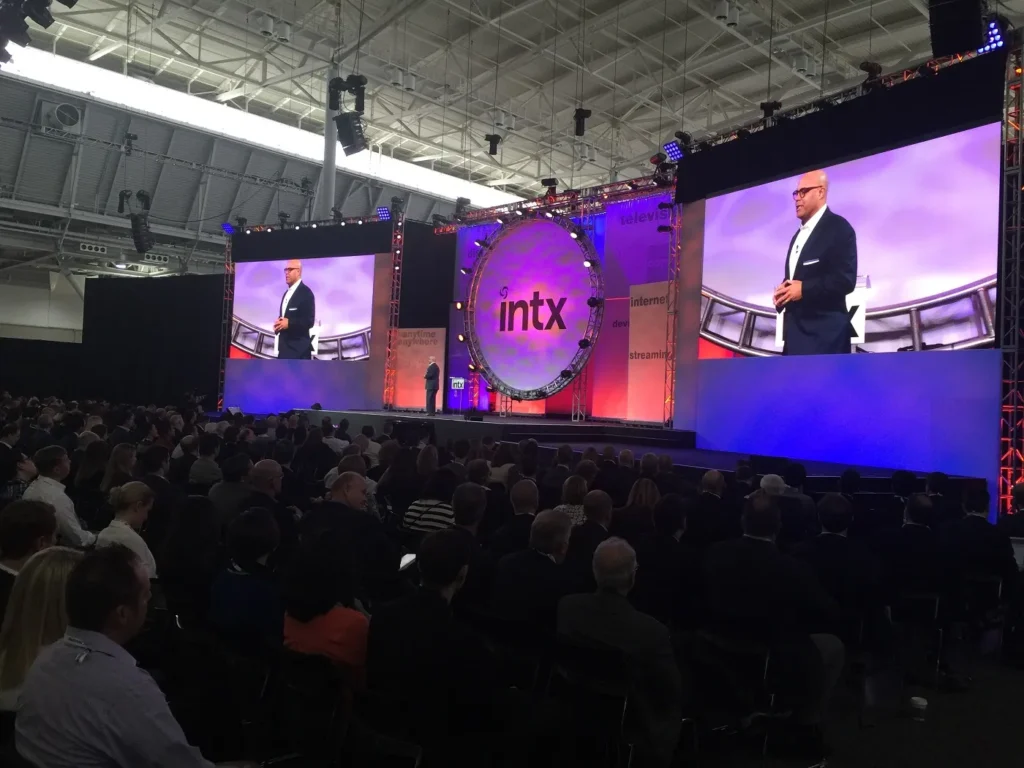
The whirlwind of energy and vibrancy of INTX 2016 has begun, and NCTA President and CEO Michael Powell made it known that we are in the midst of experiencing those same waves of excitement in the ever-evolving video marketplace. “There are many currents of change shaping the contours of this dizzying period,” said Powell amid a crowd of thousands gathered in the great tech hub of Boston, many of whom were anxious to hear about the patterns that are driving that change–that “disruption” that embodies the theme of this year’s conference. Walls have come down as many companies old and new are all